

Technical Knowledge & Industry Blog
Stay informed with technical insights, testing standards, and environmental chamber innovations from SFTYE Equipment Co., Ltd.
Blog
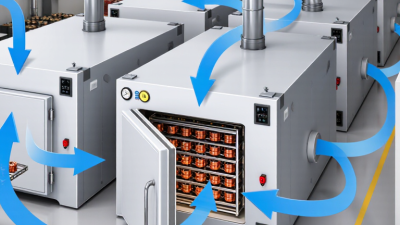
7 Tips to Choose a Motor Winding Varnish Drying Oven
Selecting a Motor Winding Varnish Drying Oven is a process decision, not simply an equipment purchase. The oven must deliver stable heat, controlled airflow, safe solvent removal, and repeatable curing across every coil. A glossy surface can still hide incomplete impregnation. That is the uncomfortable part.
The International Energy Agency reports that electric motor systems consume roughly 43–46% of global electricity. The U.S. Department of Energy also identifies motor-driven equipment as a major industrial energy user. These figures make curing quality relevant to reliability, energy consumption, and production waste. A poorly matched oven may create hot spots, extended cycle times, or brittle insulation. It may also raise operating costs quietly.
William H. Bartley Jr., a recognized motor-maintenance author, offers a practical principle: “Control the process, not merely the temperature.” That idea should guide every buying decision. Temperature accuracy matters, but it is only one measurement. Engineers should examine airflow uniformity, exhaust capacity, chamber loading, ramp rates, solvent compatibility, and data logging. IEC 60034 and IEEE insulation guidance provide useful technical references, but neither standard can choose the correct oven for every factory.
A reliable selection begins with actual winding dimensions, varnish chemistry, batch weight, and required throughput. Ask for thermal mapping results, not attractive brochure claims. Check the corners of the chamber. Review the coldest coil.
The following seven tips explain how to compare oven designs with greater confidence. Some recommendations may need adjustment after testing. That is normal. Real production rarely behaves like a laboratory schedule.
Read more »
 By:Ethan
- October 16, 2026
By:Ethan
- October 16, 2026
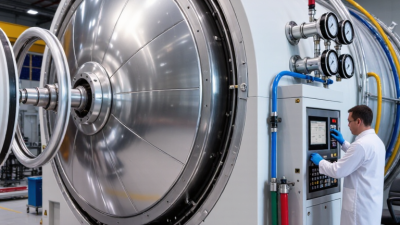
China Top High Altitude Vacuum Thermal Test Chamber?
China’s High Altitude Vacuum Thermal Test Chamber market is gaining attention from satellite manufacturers, aerospace laboratories, and advanced electronics companies. These systems reproduce the harsh conditions found above Earth. Low pressure. Severe temperature changes. Limited heat transfer.
A High Altitude Vacuum Thermal Test Chamber usually combines a sealed vacuum vessel, thermal shrouds, refrigeration, heaters, pressure controls, and measurement instruments. Engineers use it to evaluate satellites, avionics, sensors, batteries, and space-related materials. A reliable chamber must control temperature uniformly, maintain stable vacuum levels, and record accurate data throughout long test cycles. Dr. David G. Gilmore, a recognized spacecraft thermal-control authority, states: “Thermal testing turns calculated performance into demonstrated performance.” This principle remains practical. A simulation may look convincing, but measured behavior often reveals hidden weaknesses.
China offers chambers with different working volumes, temperature ranges, pumping capacities, and automation systems. Some suppliers emphasize customization. Others focus on faster delivery or lower operating costs. Buyers should examine calibration records, leak-rate results, thermal uniformity maps, control-system traceability, and after-sales support. These details matter more than attractive specifications.
The decision is not always simple. A larger chamber may improve production flexibility, yet it can increase energy use and maintenance demands. A compact unit may reduce costs, but product loading becomes limited. That trade-off deserves careful review. This guide introduces key Chinese manufacturers, technical indicators, testing applications, and purchasing considerations. It also questions common marketing claims, because dependable thermal-vacuum performance must be verified, not merely promised.
Read more »
 By:Oliver
- October 11, 2026
By:Oliver
- October 11, 2026
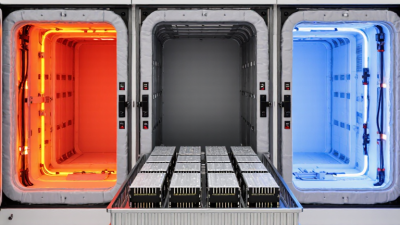
How to Choose a Three-Zone Thermal Shock Test Chamber?
Choosing a Three-Zone Thermal Shock Test Chamber is not simply a matter of selecting the widest temperature range. The right chamber must reproduce severe, repeatable transitions without damaging the test method itself. Imagine a sealed electronics module moving from a hot zone at 150°C to a cold zone at -65°C. Its housing contracts. Moisture may condense. Internal solder joints experience hidden stress.
Dr. John D. Anderson, an environmental testing specialist, offers a useful principle: “A fast temperature change matters only when the result remains repeatable.” That idea should guide every purchasing decision. Ask how quickly the basket transfers between zones. Check the recovery time after each transfer. Review temperature uniformity, sensor placement, basket capacity, and control-system stability. A dramatic specification can look impressive. It may still be impractical.
A reliable Three-Zone Thermal Shock Test Chamber should also support recognized testing procedures, traceable calibration, safety interlocks, and accessible maintenance. Examine the refrigeration system, heater design, insulation, and data-recording functions. Do not overlook the sample size. A crowded basket can restrict airflow and produce misleading results.
Experience often exposes small weaknesses. Door seals may harden. Transfer mechanisms may vibrate. Condensation may appear where operators did not expect it. These details affect confidence in the final report. I would not choose a chamber based only on brochure values. Talk with the manufacturer about actual workloads, specimen materials, transfer frequency, and service response. The perfect choice on paper can fail on the factory floor. Reflect on that before approving the purchase.
Read more »
By:Ethan
- October 6, 2026
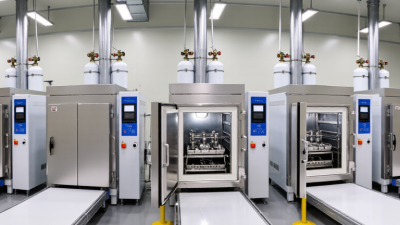
7 Best Liquid Nitrogen Thermal Shock Chambers for Sale?
Choosing the right Liquid Nitrogen Thermal Shock Chamber requires more than comparing prices online. These systems expose test specimens to extreme temperature changes, often within seconds. That rapid transition can reveal cracks, seal failures, coating damage, and weak electronic connections. For engineers and laboratory managers, chamber performance directly affects test credibility.
This guide reviews seven leading chambers available for purchase. Each option is considered through practical criteria, including temperature range, transfer speed, usable workspace, nitrogen consumption, control accuracy, and safety interlocks. Service support also matters. A technically impressive chamber may become a poor investment if replacement parts arrive slowly or calibration records are unclear.
Details matter.
A reliable buyer should inspect manufacturer specifications, independent test data, and installation requirements before ordering. Floor space, ventilation, power supply, specimen size, and nitrogen storage capacity can change the real cost significantly. A compact chamber may suit small electronic assemblies, while larger aerospace or automotive samples need stronger baskets and wider transfer zones.
No chamber is perfect. Some models prioritize speed, while others reduce operating costs or simplify maintenance. Marketing language can also hide practical limitations. This comparison therefore focuses on measurable performance and everyday usability, not attractive brochures alone. Readers should confirm current pricing, regional support, and compliance requirements with each supplier. A careful decision may take longer, but it can prevent unstable testing, wasted nitrogen, and expensive repeat trials. That trade-off deserves attention.
Read more »
 By:Liam
- October 1, 2026
By:Liam
- October 1, 2026
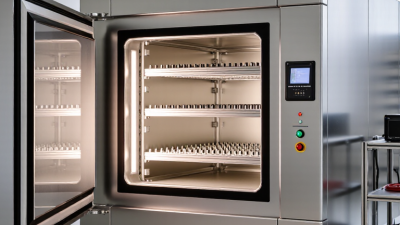
Top Rapid Temperature Change Test Chambers for Sale
Choosing among the top Rapid Temperature Change Test Chambers for sale takes more than comparing advertised ramp rates. The right chamber must reproduce the temperature profile your product will actually experience. It must also maintain stable conditions around the test load. A fast empty-chamber result may look impressive. Loaded performance matters more.
Measurement pioneer Lord Kelvin captured the value of measurable evidence: “When you can measure what you are speaking about, and express it in numbers, you know something about it.” That principle fits environmental testing well. Ask suppliers for ramp-rate data under stated conditions, including the chamber load, temperature range, and sensor location. Check temperature uniformity, recovery behavior, usable interior volume, and control-system records. Details count.
Look beyond the brochure. A chamber’s performance can change with specimen mass, airflow, and test settings. That deserves scrutiny. Compare equipment against your test profile, not a headline specification. Request a demonstration or relevant test data when possible, and confirm that service support matches your operating needs. The cheapest option may not be the most practical over years of use. Yet the most powerful chamber may also be unnecessary. A careful comparison can narrow the field without pretending every buyer needs the same answer. These models offer a starting point for evaluating capability, fit, and dependable test results.
Read more »
By:Ethan
- September 26, 2026
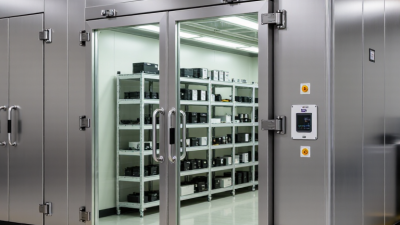
How to Choose a Walk In Climate Test Chamber?
Choosing a Walk-In Climate Test Chamber is a technical decision, not merely a purchasing exercise. The chamber must reproduce temperature, humidity, airflow, and operational conditions consistently. It should also fit your products, facility, testing schedule, and future capacity.
Dr. Michael P. Redmond, a climate-testing specialist with experience in environmental simulation systems, advises, “A chamber should be selected around the test, not around the brochure.” This principle deserves attention. A large chamber may look impressive, yet it can waste energy when your samples occupy only a small area. A compact design may reduce costs, but it could restrict airflow, loading access, or future production needs.
Look closely at temperature range, humidity control, ramp rates, uniformity, and recovery time. Ask how the chamber performs after a large door opens. That detail matters. Examine the floor loading, internal dimensions, lighting, observation windows, and service access. Your operators will notice these features every day.
Energy consumption also deserves careful review. Variable-speed refrigeration, efficient insulation, and heat recovery may reduce long-term operating costs. However, efficiency claims need supporting test data. Marketing language is not enough.
Consider calibration, data logging, alarms, remote monitoring, and maintenance support. A chamber that cannot be serviced quickly may interrupt valuable testing. Supplier experience matters, especially for unusual product sizes or complex test profiles.
No selection is perfect. I have seen teams prioritize purchase price and regret weak recovery performance later. A better approach compares lifecycle cost, test reliability, safety features, and technical support. The right Walk-In Climate Test Chamber should support dependable results without creating unnecessary operational complications.
Read more »
By:Ethan
- September 21, 2026
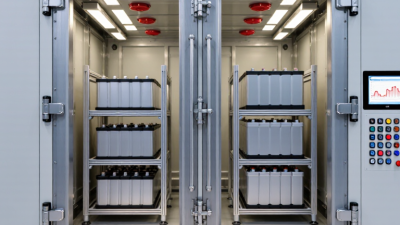
China Top Lithium Battery Reliability Test Chamber Supplier?
Choosing a China Lithium Battery Reliability Test Chamber supplier requires more than comparing prices and heating ranges. The chamber must reproduce real battery stresses, including temperature cycling, humidity exposure, vibration, and long-duration operation. Its design should also support safe testing for cells, modules, and battery packs.
Jeff Dahn, a leading lithium-ion battery researcher, has said, “A battery is a very complicated device.” That observation explains why reliable testing needs controlled conditions and careful data review. A quality chamber should maintain stable temperature uniformity, accurate humidity control, dependable sensors, and clearly documented calibration records. It should also include practical safety features, such as pressure relief, fire detection, abnormal-temperature alarms, and independent power protection.
Small details matter. A door seal that weakens over time can distort test results. Poor airflow may create uneven temperatures across a battery module. In supplier evaluations, buyers should inspect factory testing procedures, component brands, software traceability, service response, and installation support. Certifications are useful, but they do not replace technical verification.
The strongest suppliers usually provide application guidance before equipment delivery. They ask about battery chemistry, test standards, sample dimensions, charging conditions, and expected cycling duration. That experience can reduce costly redesigns. Still, no supplier is perfect. Customers should request sample data, witness testing, and references from comparable projects. This guide examines China’s leading options through engineering capability, safety performance, customization, after-sales support, and long-term reliability.
Read more »
By:Oliver
- September 16, 2026
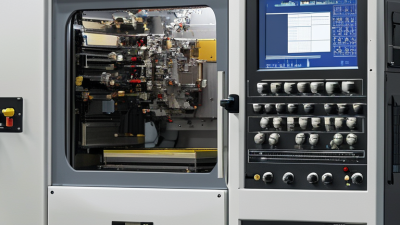
Top 5 Semiconductor Thermal Shock Chambers for Quality Testing?
In the evolving world of semiconductor technology, the reliability of components is crucial. Quality testing plays an essential role in ensuring product performance. A significant tool in this process is the Semiconductor Thermal Shock Chamber. This equipment subjects semiconductors to rapid temperature changes, simulating real-world conditions.
According to a recent report by IBISWorld, the global semiconductor testing market is expected to grow by 5.2% annually through 2025. This growth underscores the importance of rigorous testing methods. "The Semiconductor Thermal Shock Chamber is vital for identifying weaknesses in materials," says Dr. Emily Chen, a leading expert in semiconductor failure analysis. Her insights highlight how these chambers help engineers improve product durability.
However, selecting the right thermal shock chamber can be challenging. Variability in performance and specifications can complicate decisions. It's imperative to choose models that balance cost and functionality. An informed choice ensures quality assurance while considering long-term implications. Reflecting on equipment capabilities and limitations is essential for advancing semiconductor technology.
Read more »
By:Oliver
- August 26, 2026

Top 5 Aerospace Altitude Test Chambers for Global Buyers?
In the fast-evolving aerospace industry, the integrity of atmospheric testing is vital. An Aerospace Altitude Test Chamber plays a crucial role in simulating high-altitude conditions. These chambers are essential for assessing the performance of aircraft, satellites, and various aerospace components under specific pressures and temperatures.
Selecting the right Aerospace Altitude Test Chamber is challenging. Numerous options exist, each with unique features and capabilities. Buyers must consider elements such as size, performance specifications, and durability. This decision impacts the reliability of testing outcomes and, ultimately, the safety of aerospace products.
Understanding the top five Aerospace Altitude Test Chambers available globally can guide buyers in this crucial investment. Each chamber offers distinct advantages, yet potential buyers must reflect on their specific needs. Striking the right balance between quality and cost is often a difficult task. Investing in a chamber that meets stringent testing requirements can significantly enhance research and development efforts in the aerospace field.
Read more »
By:Ethan
- August 26, 2026
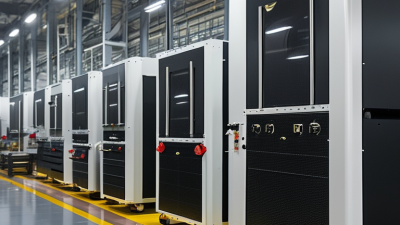
China Top Automotive Environmental Test Chamber Supplier?
In the rapidly evolving automotive industry, the importance of reliable testing equipment cannot be overstated. Automotive Environmental Test Chambers are crucial for ensuring vehicles meet rigorous environmental standards. These chambers simulate various conditions, such as temperature extremes, humidity, and dust exposure. Such tests help manufacturers identify potential failures early in the development process.
China has emerged as a key player in this domain. With several top suppliers, the country meets the growing demand for advanced testing facilities. However, the challenge lies in maintaining quality and trust in these products. Some suppliers may focus solely on cost, compromising on performance and reliability. Thus, the choice of an automotive environmental test chamber supplier is critical for manufacturers.
It's vital to choose a supplier with a proven track record. Many companies in China possess extensive expertise and cutting-edge technology. They provide chambers that are tailored to specific automotive needs. Yet, the market is crowded. Manufacturers must diligently evaluate options to avoid subpar products. Ultimately, the right supplier can significantly impact a company's success in developing reliable vehicles.
Read more »
By:Ethan
- August 26, 2026