


[email protected] | Mon–Fri 9:00–18:00 (GMT+8)
FB IN X YT
Environmental Test Equipment Knowledge Center – SFTYE Equipment Co., Ltd.
Industrial Precision Oven Insights – SFTYE Equipment Co., Ltd.
Environmental Simulation Testing Solutions
SFTYE Equipment Manufacturing Facility

Technical Knowledge & Industry Blog

Stay informed with technical insights, testing standards, and environmental chamber innovations from SFTYE Equipment Co., Ltd.

0%

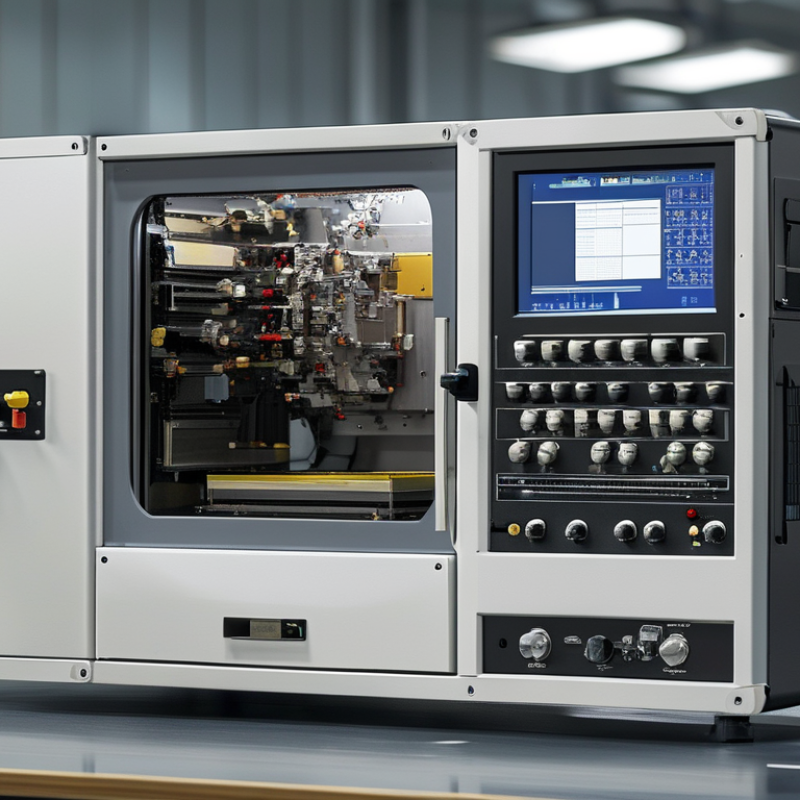
In the evolving world of semiconductor technology, the reliability of components is crucial. Quality testing plays an essential role in ensuring product performance. A significant tool in this process is the Semiconductor Thermal Shock Chamber. This equipment subjects semiconductors to rapid temperature changes, simulating real-world conditions.

According to a recent report by IBISWorld, the global semiconductor testing market is expected to grow by 5.2% annually through 2025. This growth underscores the importance of rigorous testing methods. "The Semiconductor Thermal Shock Chamber is vital for identifying weaknesses in materials," says Dr. Emily Chen, a leading expert in semiconductor failure analysis. Her insights highlight how these chambers help engineers improve product durability.

However, selecting the right thermal shock chamber can be challenging. Variability in performance and specifications can complicate decisions. It's imperative to choose models that balance cost and functionality. An informed choice ensures quality assurance while considering long-term implications. Reflecting on equipment capabilities and limitations is essential for advancing semiconductor technology.
Top 5 Semiconductor Thermal Shock Chambers for Quality Testing?

Overview of Semiconductor Thermal Shock Testing and Its Importance

Thermal shock testing is crucial in assessing the reliability of semiconductor devices. This process exposes components to extreme temperature fluctuations. The rapid changes can identify weaknesses in the materials and designs. Strengthening upon failure points helps in improving product durability.

During the testing phase, items undergo cycles of heating and cooling. Each cycle can reveal issues that might not show up under normal conditions. Engineers often rely on these results for necessary design modifications. Testing chambers ensure consistent temperature control. They play a pivotal role in the overall evaluation process.

Despite the effectiveness of thermal shock testing, it is not foolproof. Certain defects may still go unnoticed. The need for continuous improvement in testing methodologies is significant. Keeping up with evolving technologies in semiconductor manufacturing remains challenging. Educating professionals about these methods can enhance future testing outcomes.

Criteria for Selecting the Best Thermal Shock Chambers for Semiconductors

When selecting thermal shock chambers for semiconductor testing, it's crucial to understand their operational capabilities. The thermal shock chamber's temperature range often dictates its effectiveness. Most chambers operate between -70°C and +150°C, providing a broad spectrum for testing components. According to a recent industry report, almost 78% of semiconductor failures result from thermal stresses. This highlights the importance of choosing the right chamber for reliable and accurate results.

The cycle time is another critical criterion. A faster transition between temperature extremes reduces testing duration and enhances productivity. It's noted that chambers with cycle times under 5 minutes allow for quicker iterations. However, achieving rapid temperature shifts without compromising system stability is challenging. The complexity of this balance should be carefully assessed. Additionally, monitoring systems can enhance the reliability of results, offering real-time data on components during testing.

Energy efficiency also matters in today's eco-conscious landscape. Chambers that utilize advanced insulation techniques typically consume less energy. Some reports indicate that up to 30% of energy can be saved with better insulation in these systems. Despite these advancements, users must remain aware of the potential need for calibration and maintenance to ensure accuracy over time. Each chamber has unique features that require thoughtful evaluation to suit specific testing needs.

Top 5 Semiconductor Thermal Shock Chambers: Features and Specifications

When assessing semiconductor thermal shock chambers, focusing on their features and specifications is crucial for quality testing. These chambers must simulate extreme temperature variations rapidly. Accurate performance is vital to ensure product reliability. According to industry reports, an effective chamber should achieve a temperature range of -40°C to +125°C within 15 minutes. This allows for testing under realistic conditions that semiconductor components will face.

An essential feature is the temperature transition rate. Ideally, a chamber should allow a transition from high to low temperatures in less than 10 minutes. This rapid cycling can expose weaknesses in semiconductor materials. Research highlights that failure rates can increase significantly without proper thermal shock testing. The uniformity of temperature distribution is another critical factor. Variations can lead to inconsistent results and misinterpretation of a product's reliability.

Energy efficiency in these systems cannot be overlooked. Some models now boast energy consumption reductions of up to 30%. This is vital in reducing operational costs and environmental impact. However, some chambers may compromise on durability or control precision to achieve this efficiency, which raises concerns. The choice of chamber must consider the balance between performance and sustainability. As the industry evolves, striving for improved designs will become more important.

Top 5 Semiconductor Thermal Shock Chambers for Quality Testing

Model Temperature Range (°C) Cooling Method Interior Dimensions (cm) Control System
TSC-M1 -70 to +180 Liquid Nitrogen 60 x 50 x 40 Digital PID
TSC-M2 -40 to +150 Refrigerant Cycle 70 x 60 x 50 Touchscreen Interface
TSC-M3 -60 to +160 Air Cooling 75 x 75 x 75 Analog Control
TSC-M4 -50 to +170 Cryogenic System 80 x 65 x 50 Smart Controller
TSC-M5 -70 to +200 Cascade Refrigeration 100 x 80 x 60 Advanced Digital Control

Comparative Analysis of Leading Thermal Shock Chambers in the Market

In the competitive landscape of semiconductor testing, thermal shock chambers play a vital role. These chambers simulate extreme temperature changes, directly affecting the reliability of semiconductor devices. Understanding their specifications and performance metrics is crucial for accurate quality assessment. Uncontrolled thermal cycling can lead to device failure, making this testing indispensable.

Quality differences across thermal shock chambers can be subtle yet significant. Some models offer faster temperature transitions, enhancing testing efficiency. Others have advanced data logging capabilities. These features contribute to precision in testing processes. Yet, evaluating these options can be complex. Variability in user experience and maintenance requirements often need closer inspection.

Moreover, cost considerations can impact choices. While investing in high-end chambers can assure better performance, budget limitations may force compromises. Buyers must weigh short-term affordability against long-term reliability. Selecting the right chamber requires careful consideration of these factors, reinforcing the importance of thorough research in this critical area.

User Experiences and Case Studies in Semiconductor Quality Testing

In the realm of semiconductor manufacturing, thermal shock testing chambers play a crucial role. They simulate extreme temperature variations to assess component reliability. Data shows that about 40% of semiconductor failures originate from thermal fatigue. Accurate testing can mitigate this risk significantly.

User experiences reveal diverse outcomes. For instance, one facility reported a 30% improvement in product quality after regular thermal shock testing. This enhanced their overall yield and reduced the likelihood of defects. However, not all chambers perform equally. Some users faced challenges with temperature uniformity, leading to inconsistent results. They emphasized the need for precise calibration and maintenance.

Case studies highlight the importance of these tests across various applications. In automotive electronics, for example, reliable components are essential for safety and performance. Quality testing through thermal shock chambers helps meet industry standards while validating supplier claims. The investment in robust testing methods pays off, ensuring only the best components reach the market.

FAQS

: What is thermal shock testing?

: Thermal shock testing assesses semiconductor reliability through extreme temperature changes, revealing weaknesses in materials and designs.

Why is thermal shock testing important?

It identifies potential failure points, helping to improve the durability of semiconductor devices before market release.

How does the testing process work?

Components undergo cycles of heating and cooling to detect issues not evident under normal conditions.

What should be considered when selecting a thermal shock chamber?

Key factors include temperature range, cycle time, and monitoring capabilities that ensure accurate results.

What is an ideal temperature range for thermal shock chambers?

Most effective chambers operate between -70°C and +150°C, allowing for a comprehensive range of tests.

How fast should a thermal shock chamber transition between temperatures?

Chambers with cycle times under 5 minutes are preferred for quicker testing without compromising stability.

What role does energy efficiency play in these chambers?

Advanced insulation can save energy, with some estimates indicating up to 30% reduction in consumption.

Are there any risks with thermal shock testing?

Yes, some defects may go unnoticed, emphasizing the need for ongoing improvements in testing methods.

How does budget impact the selection of thermal shock chambers?

Higher-end models may offer better performance but can strain budgets, requiring careful cost-benefit analysis.

What is a challenge in evaluating thermal shock chambers?

Variability in user experience and maintenance needs can complicate the selection process for optimal performance.

Conclusion

The article "Top 5 Semiconductor Thermal Shock Chambers for Quality Testing" delves into the critical role of semiconductor thermal shock testing in ensuring product reliability and performance. It emphasizes the importance of selecting appropriate thermal shock chambers, which are essential for simulating extreme temperature conditions that semiconductors may encounter during their lifecycle.

The article outlines key criteria for choosing the best semiconductor thermal shock chambers, including temperature range, uniformity, and control precision. It then presents a comparative analysis of the top five thermal shock chambers available on the market, detailing their features and specifications. User experiences and case studies further illustrate the practical applications of these chambers in semiconductor quality testing, highlighting the significance of robust testing methods in advancing technology and meeting industry standards.

Oliver

Oliver

Oliver is a seasoned marketing professional with a deep expertise in our company’s products and services. With a rich background in strategic marketing, he plays a pivotal role in elevating our brand presence and communicating our core strengths. Oliver regularly updates our company’s professional......