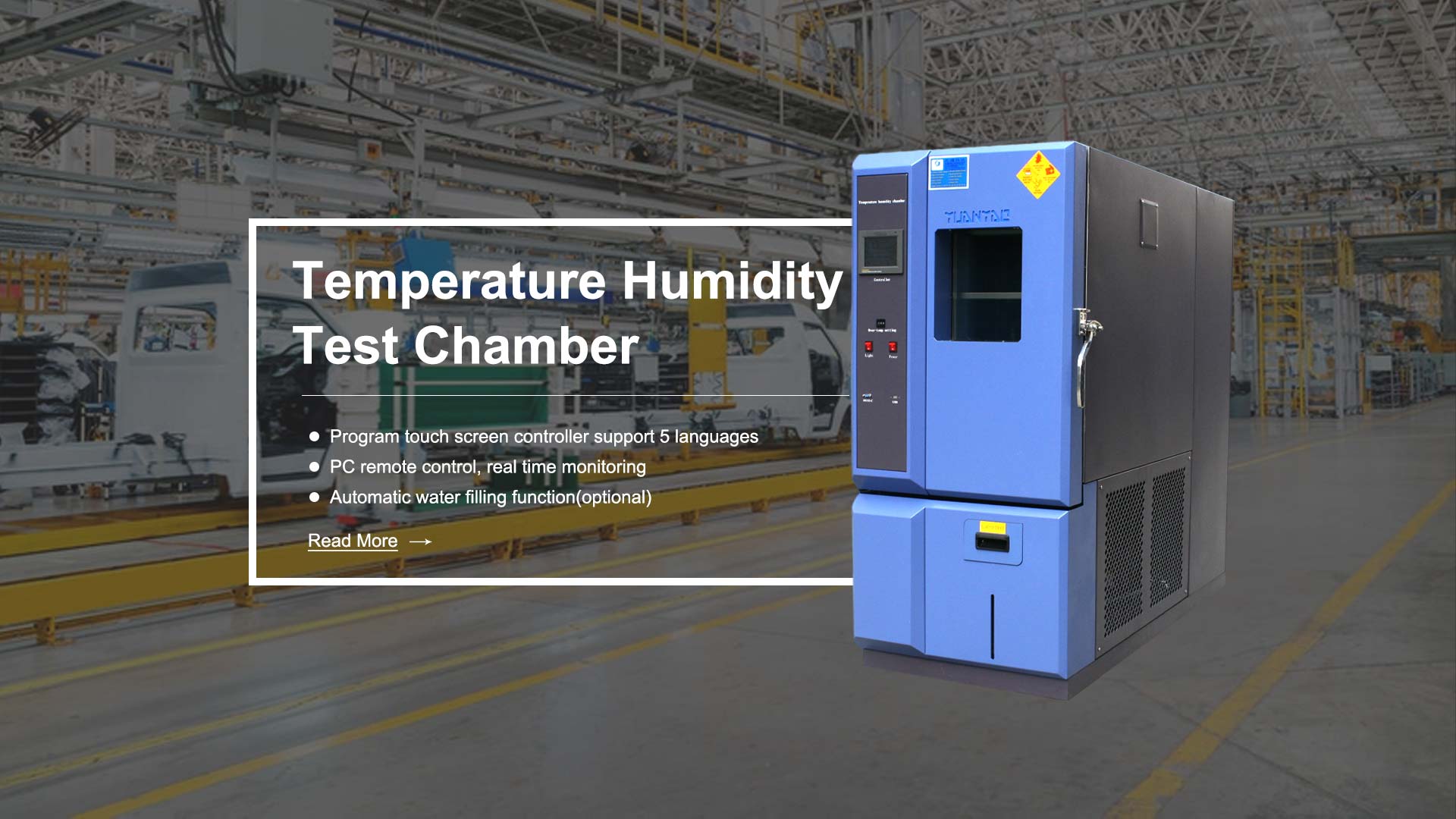
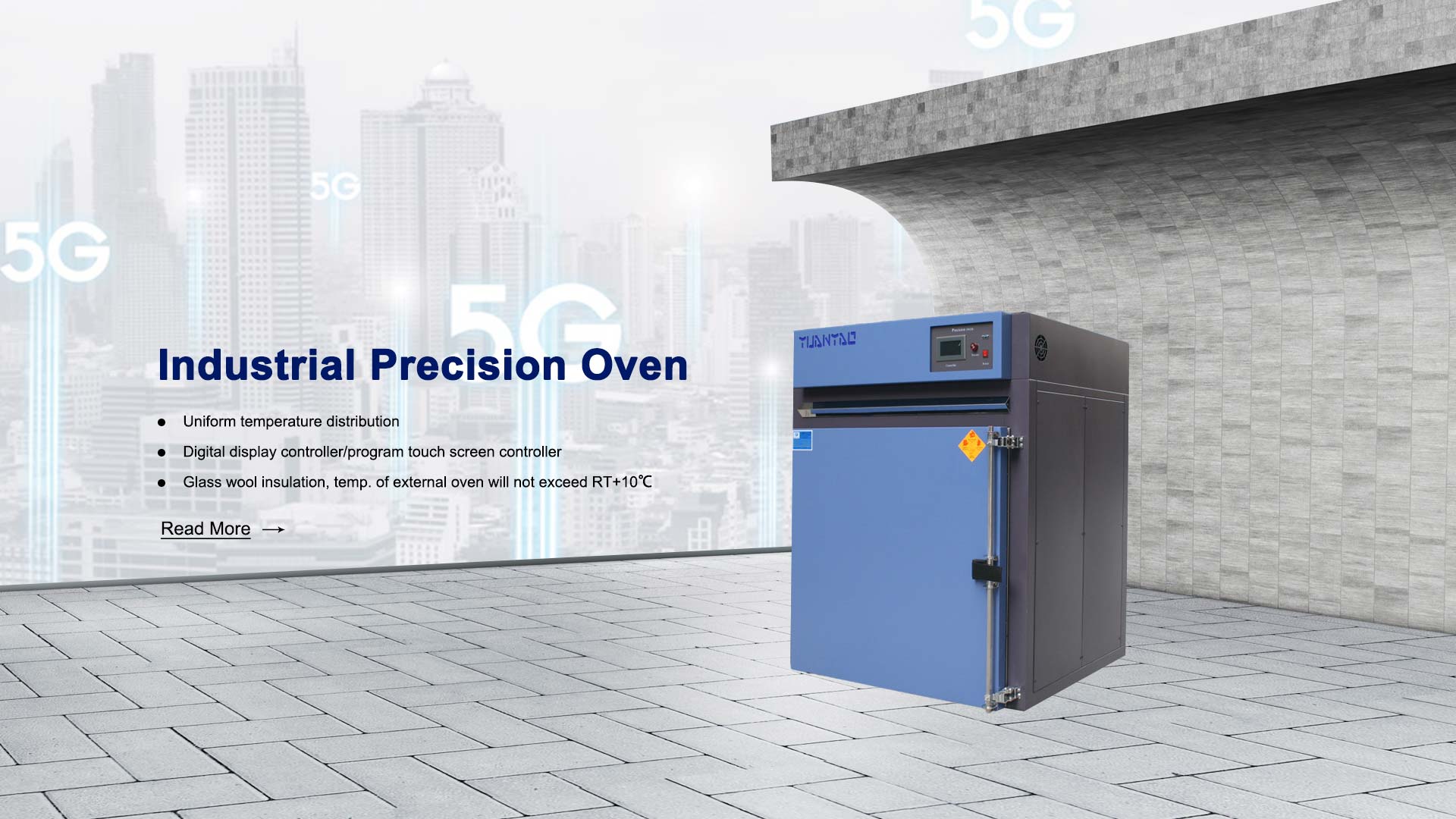
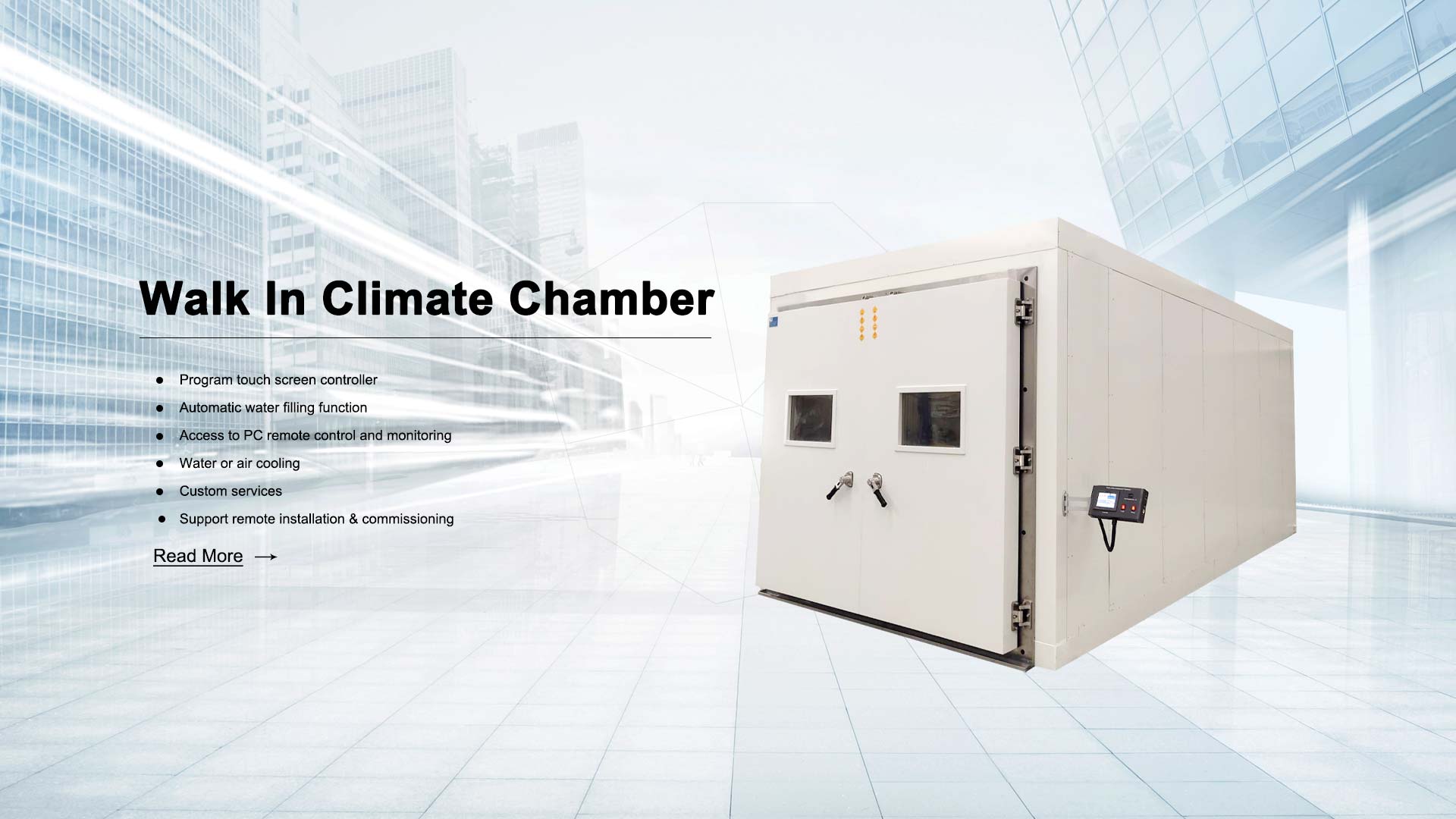
Choosing the right Liquid Nitrogen Thermal Shock Chamber requires more than comparing prices online. These systems expose test specimens to extreme temperature changes, often within seconds. That rapid transition can reveal cracks, seal failures, coating damage, and weak electronic connections. For engineers and laboratory managers, chamber performance directly affects test credibility.
This guide reviews seven leading chambers available for purchase. Each option is considered through practical criteria, including temperature range, transfer speed, usable workspace, nitrogen consumption, control accuracy, and safety interlocks. Service support also matters. A technically impressive chamber may become a poor investment if replacement parts arrive slowly or calibration records are unclear.
Details matter.
A reliable buyer should inspect manufacturer specifications, independent test data, and installation requirements before ordering. Floor space, ventilation, power supply, specimen size, and nitrogen storage capacity can change the real cost significantly. A compact chamber may suit small electronic assemblies, while larger aerospace or automotive samples need stronger baskets and wider transfer zones.
No chamber is perfect. Some models prioritize speed, while others reduce operating costs or simplify maintenance. Marketing language can also hide practical limitations. This comparison therefore focuses on measurable performance and everyday usability, not attractive brochures alone. Readers should confirm current pricing, regional support, and compliance requirements with each supplier. A careful decision may take longer, but it can prevent unstable testing, wasted nitrogen, and expensive repeat trials. That trade-off deserves attention.
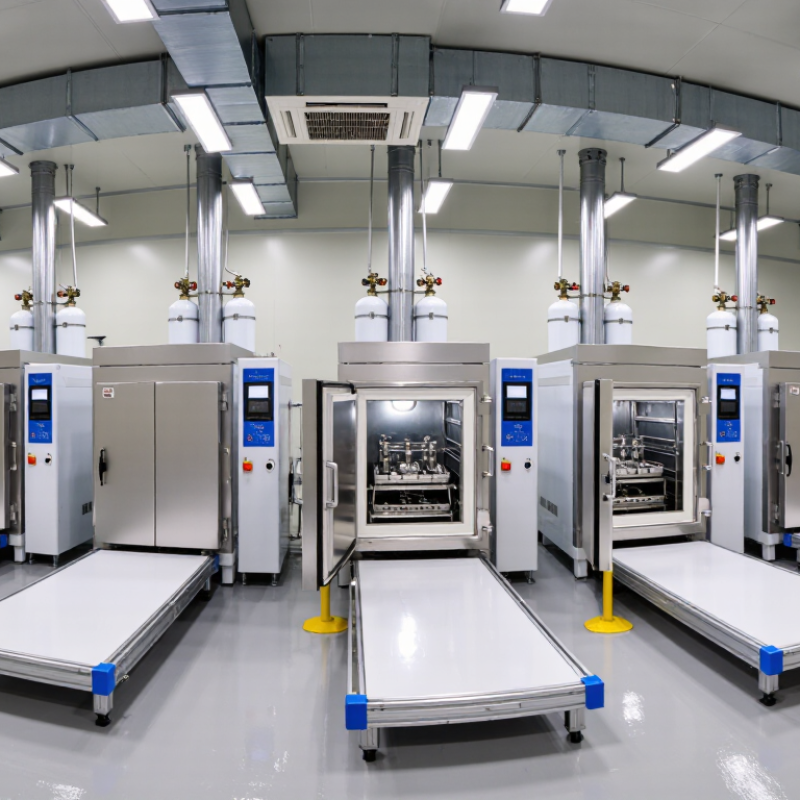
What Are Liquid Nitrogen Thermal Shock Chambers?
What Are Liquid Nitrogen Thermal Shock Chambers?
Liquid nitrogen thermal shock chambers are specialized systems for testing how products survive sudden temperature changes. They use liquid nitrogen to create extremely cold conditions, often below -100°C. A heated zone provides the opposite exposure. The test specimen moves between these zones, or the chamber changes conditions through controlled gas flow. The rapid transition is the key feature.
These chambers can reveal hidden weaknesses in electronic assemblies, seals, coatings, batteries, and engineered materials. A circuit board may contract quickly, while solder joints respond differently. Tiny cracks can then appear after repeated cycles. Operators usually program dwell times, transfer intervals, temperature limits, and cycle counts. Sensors record the actual specimen temperature, not only the chamber air temperature. That detail matters.
Good testing depends on careful setup. The load must be positioned correctly, and the chamber needs regular calibration. Liquid nitrogen also requires trained handling, ventilation, oxygen monitoring, and suitable protective equipment. Safety procedures should follow applicable local requirements. In practical evaluations, test results are not always perfectly uniform. Large specimens may develop temperature gradients, and poor fixture design can distort the outcome. That imperfection deserves attention, rather than being ignored. A credible report should document the specimen layout, cycle profile, sensor locations, and any abnormal observations. Temperature recovery can also differ between an empty chamber and a fully loaded one. That difference may affect repeatability.
Liquid Nitrogen Thermal Shock Chambers: Representative Temperature Profiles
Thermal shock chambers rapidly alternate products between hot and cold zones. The chart compares representative hot and cold setpoints used in electronics, automotive, aerospace, battery, sealing, materials, and cryogenic testing. Actual chamber ratings depend on chamber design, load size, transfer time, and test standard; direct liquid-nitrogen systems can reach approximately −196°C.
How to Evaluate Thermal Shock Chamber Performance and Safety
7 Best Liquid Nitrogen Thermal Shock Chambers for Sale?
When comparing seven liquid nitrogen thermal shock chambers, performance must be measured, not assumed. Record the hot and cold setpoints with calibrated sensors. Then check transfer time, temperature uniformity, and recovery after each cycle. A strong chamber reaches its target quickly and holds it steadily. Watch the test load, too. A full basket may recover much slower than an empty chamber.
Data logging matters.
Ask for repeatability records from several cycles, not one impressive test. Review sensor locations, calibration dates, and alarm history. In practical evaluations, small temperature differences near the chamber door often reveal weak airflow or insulation. I once focused too heavily on minimum temperature. That was a mistake. Recovery speed and sample consistency were more useful for real production decisions.
Safety deserves equal attention. The chamber should include oxygen-deficiency monitoring, ventilation requirements, pressure relief, door interlocks, and clear emergency controls. Inspect hoses, seals, and liquid nitrogen connections for frost damage. Operators need face protection, insulated gloves, training, and written procedures. Never treat a quiet chamber as a safe chamber. Ask whether alarms remain audible during equipment noise. Check whether power failure leaves the door and sample handling system in a controlled state. Local electrical, pressure, and workplace safety requirements must guide installation and operation.
7 Best Liquid Nitrogen Thermal Shock Chambers for Sale? - How to Evaluate Thermal Shock Chamber Performance and Safety
| Configuration |
Typical Test Volume |
Cold-Zone Temperature |
Hot-Zone Temperature |
Transfer Time |
Temperature Recovery |
LN₂ Delivery Method |
Safety Features to Verify |
Best-Fit Applications |
| 1. Compact Benchtop |
Approximately 50–100 L |
About −65 to −196 °C |
About +100 to +200 °C |
Typically 10–15 s |
Usually within 5–10 min |
Direct LN₂ injection with regulated solenoid control |
Lid interlock, oxygen-deficiency monitor, pressure relief, emergency stop |
Small electronic assemblies, sensors, and laboratory samples |
| 2. Standard Two-Zone |
Approximately 100–250 L |
About −70 to −196 °C |
About +150 to +200 °C |
Typically 8–12 s |
Usually within 5–8 min |
Direct injection into the cold zone with heated hot-zone air circulation |
Door lock, dual temperature limits, low-oxygen alarm, exhaust ventilation |
Automotive electronics, connectors, and qualification samples |
| 3. High-Performance Two-Zone |
Approximately 250–500 L |
About −70 to −196 °C |
About +150 to +200 °C |
Typically 6–10 s |
Usually within 4–8 min |
High-flow LN₂ injection with programmable pulse control |
Independent over-temperature protection, interlocked doors, oxygen monitoring, relief vent |
High-volume component testing and production quality control |
| 4. Large-Format Industrial |
Approximately 500–1,000 L |
About −60 to −196 °C |
About +150 to +200 °C |
Typically 8–15 s |
Usually within 6–12 min |
Multiple injection points with controlled LN₂ distribution |
Guarded access, floor-level exhaust, oxygen sensors, pressure relief, fault shutdown |
Battery modules, large assemblies, and industrial product validation |
| 5. Three-Zone Precision |
Approximately 100–300 L |
About −65 to −196 °C |
About +125 to +200 °C |
Typically 5–10 s |
Usually within 4–8 min |
LN₂ cold zone plus independently controlled ambient transition zone |
Zone interlocks, calibrated sensors, oxygen alarm, emergency ventilation, data logging |
Products requiring controlled dwell and reduced thermal gradients |
| 6. Walk-In Thermal Shock |
Approximately 1,000–3,000 L |
About −55 to −180 °C |
About +100 to +180 °C |
Typically 10–20 s |
Usually within 8–15 min |
High-capacity LN₂ manifold with staged injection |
Personnel-release door, internal emergency stop, oxygen monitoring, mechanical ventilation, relief system |
Large equipment, vehicle parts, racks, and complete assemblies |
| 7. Validation and Data-Logging |
Approximately 250–800 L |
About −70 to −196 °C |
About +150 to +200 °C |
Typically 6–12 s |
Usually within 5–10 min |
Programmable direct injection with recipe-based cycle control |
Independent safety controller, audit trail, sensor calibration records, oxygen alarm, automatic shutdown |
Compliance testing, reliability laboratories, and traceable qualification programs |
Evaluation note: Actual performance depends on specimen mass, loading pattern, dwell time, nitrogen supply pressure, sensor location, and chamber control settings. Confirm the transfer-time test method, recovery-time definition, calibration status, ventilation design, and oxygen-deficiency protection before purchase.
Seven Leading Liquid Nitrogen Thermal Shock Chambers Compared
7 Best Liquid Nitrogen Thermal Shock Chambers for Sale?
Seven leading liquid nitrogen thermal shock chambers differ mainly in transfer speed, temperature range, workload, and control stability. The first type is a vertical two-zone chamber, suitable for compact electronic assemblies. A horizontal two-zone model offers easier loading for long components. Three-zone chambers add an ambient zone, reducing thermal recovery time. Basket-transfer systems suit repeated testing, while pneumatic-elevator designs improve cycle consistency. Benchtop units save floor space. High-volume chambers handle larger batches but consume more nitrogen.
NIST lists nitrogen’s boiling point at 77.36 K, or approximately -195.79°C, under standard pressure.
That figure explains the severe cold exposure these systems create. IEC 60068-2-14 and ASTM D6944 provide widely used methods for thermal shock evaluation, including transfer conditions and dwell periods. Buyers should compare transfer time, recovery time, usable volume, nitrogen consumption, and temperature uniformity. A chamber reaching -196°C is not automatically the best choice.
In practical testing, fixtures matter more than many brochures admit. A crowded basket can delay heat exchange and distort results. Calibration should follow traceable procedures, preferably through an ISO/IEC 17025-accredited laboratory. I would also question claims based only on empty-chamber performance. Real assemblies contain connectors, coatings, batteries, and trapped air. Their response can differ sharply. Seven models may look similar on paper, yet maintenance access, sensor placement, door sealing, and software records often decide long-term reliability. Mistakes happen. A witnessed trial using representative specimens remains the safer buying method.
Key Features, Specifications, and Applications to Consider
Choosing among the seven best liquid nitrogen thermal shock chambers for sale requires more than comparing price. The seven practical configurations include two-zone transfer, single-zone transfer, immersion, basket-transfer, automated, benchtop, and large-volume custom chambers. NIST data lists liquid nitrogen’s boiling point near −196°C, so insulation, door seals, and controlled venting directly affect test stability. A chamber should also comply with IEC 60068-2-14 procedures for rapid temperature changes.
Key specifications deserve careful attention. Check the hot-zone range, cold-zone recovery time, transfer speed, specimen volume, temperature uniformity, and cycle capacity. For electronics, a transfer time below 10 seconds may expose solder joints to severe gradients. For plastics, seals, and aerospace components, programmable dwell times and repeatable recovery are more valuable than extreme speed. A 2023 environmental test equipment market analysis reported continued demand from electronics and automotive manufacturing, but market forecasts differ widely. That uncertainty deserves caution.
Applications shape the best choice. Two-zone chambers suit repeated qualification testing, while immersion systems provide aggressive cold exposure for compact samples. Automated units help laboratories record cycle counts, alarms, and temperature histories. Benchtop models fit research rooms with limited floor space; large-volume chambers serve battery modules and structural assemblies. Safety reports from occupational laboratories repeatedly emphasize oxygen monitoring and ventilation around nitrogen systems. I would not select a chamber from brochure temperature alone. Real specimens, fixture mass, and recovery behavior can change the result. A small pilot test often reveals uncomfortable gaps in the specification.
How to Choose the Right Chamber for Your Testing Needs
Choosing among the seven best liquid nitrogen thermal shock chambers requires more than comparing advertised temperature limits. Start with your test profile: target temperatures, transfer time, cycle frequency, specimen size, and total payload. A chamber rated for extreme conditions may perform poorly with heavy metal assemblies. Capacity matters.
Examine seven practical factors: thermal range, transition speed, zone design, temperature uniformity, payload handling, control systems, and safety features. Two-zone chambers suit many routine cycles, while three-zone designs can reduce exposure during transfers. Confirm recovery time under a full load, not an empty chamber. Ask for mapped uniformity data and recorded cycle results. A perfect specification sheet can still mislead.
Liquid nitrogen consumption also affects operating cost. Check insulation quality, injection control, exhaust routing, oxygen monitoring, door seals, and emergency shutoff functions. Reliable data logging should capture temperatures, dwell times, alarms, and failed cycles. Maintenance access matters more than many buyers expect. Inspectors and technicians need clear access to sensors, valves, and filters. Choose controls that your team can understand without constant vendor assistance. It is tempting to select the fastest machine, but excessive speed can stress fragile assemblies or hide weak test logic. Leave space for future fixtures and calibration equipment. The right chamber is the one that reproduces your real test conditions safely, consistently, and with evidence your quality team can review.
FAQS
Use calibrated sensors to record hot and cold setpoints. Measure transfer time, temperature uniformity, and recovery speed. Test both empty and fully loaded conditions. A full basket may recover much slower.
Recovery time shows how quickly the chamber returns to its target temperature. Slow recovery can reduce test consistency. It may also lengthen production cycles. I once focused too much on minimum temperature. That was a mistake.
Request records from several completed cycles. Review sensor locations, calibration dates, alarm history, and failed cycles. One impressive test proves very little. Repeated evidence matters more.
Ask for mapped uniformity data across the working area. Compare readings near the door, center, and corners. Small differences near the door may indicate weak airflow or insulation. Check the details.
Match capacity with specimen size, fixture space, and total payload. Heavy metal assemblies can recover more slowly. Test realistic loads before purchasing. Leave room for future fixtures and calibration equipment.
Look for oxygen-deficiency monitoring, ventilation requirements, pressure relief, and door interlocks. Emergency controls should be clearly marked. Alarms must remain audible near operating equipment. A quiet chamber is not automatically safe.
Inspect hoses, seals, and fluid connections for frost damage. Confirm emergency shutoff operation and ventilation paths. Operators need face protection, insulated gloves, training, and written procedures. Do not improvise.
Review fluid consumption, insulation quality, injection control, exhaust routing, and door seals. Confirm technicians can access sensors, valves, and filters. Controls should be understandable without constant outside assistance. Maintenance access is easy to underestimate.
Conclusion
A Liquid Nitrogen Thermal Shock Chamber is a specialized testing system designed to expose products and materials to rapid temperature changes, typically by moving samples between hot and extremely cold environments. This process helps identify weaknesses such as cracking, delamination, seal failure, dimensional change, and electrical or mechanical instability. When evaluating chamber performance and safety, important factors include temperature range, transition speed, uniformity, cycle repeatability, sample capacity, insulation, control accuracy, emergency protection, and ease of maintenance.
This guide compares seven leading types of liquid nitrogen thermal shock chambers by examining their key features, specifications, and suitable applications. It also explains how chamber design, cooling efficiency, automation, monitoring systems, and operating costs can affect test results and workflow. The right choice depends on your product size, required temperature profile, testing standards, cycle frequency, available facilities, and budget. Careful comparison of these factors can help laboratories and manufacturers select a reliable chamber that delivers consistent results while supporting safe, efficient, and repeatable thermal shock testing.