
[email protected] | Mon–Fri 9:00–18:00 (GMT+8)
FB IN X YT
Environmental Test Equipment Knowledge Center – SFTYE Equipment Co., Ltd.
Industrial Precision Oven Insights – SFTYE Equipment Co., Ltd.
Environmental Simulation Testing Solutions
SFTYE Equipment Manufacturing Facility

Technical Knowledge & Industry Blog

Stay informed with technical insights, testing standards, and environmental chamber innovations from SFTYE Equipment Co., Ltd.

0%

In the fast-evolving aerospace industry, the integrity of atmospheric testing is vital. An Aerospace Altitude Test Chamber plays a crucial role in simulating high-altitude conditions. These chambers are essential for assessing the performance of aircraft, satellites, and various aerospace components under specific pressures and temperatures.

Selecting the right Aerospace Altitude Test Chamber is challenging. Numerous options exist, each with unique features and capabilities. Buyers must consider elements such as size, performance specifications, and durability. This decision impacts the reliability of testing outcomes and, ultimately, the safety of aerospace products.

Understanding the top five Aerospace Altitude Test Chambers available globally can guide buyers in this crucial investment. Each chamber offers distinct advantages, yet potential buyers must reflect on their specific needs. Striking the right balance between quality and cost is often a difficult task. Investing in a chamber that meets stringent testing requirements can significantly enhance research and development efforts in the aerospace field.
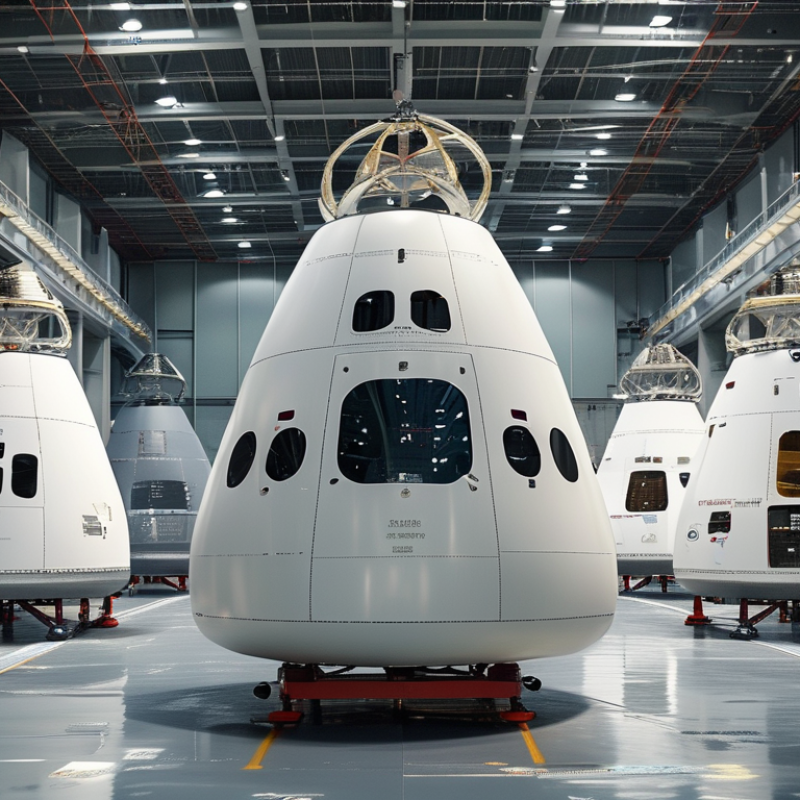
Top 5 Aerospace Altitude Test Chambers for Global Buyers?

Analysis of Aerospace Altitude Test Chambers: Importance and Applications

Altitude test chambers play a crucial role in aerospace testing. These chambers simulate high-altitude conditions. They are essential for evaluating the performance of various aerospace components. Each chamber can create specific atmospheric conditions, like low pressure and temperature variations. These factors significantly impact material durability and component functionality.

The applications of altitude test chambers extend beyond testing. They assist in research and development. Engineers use these chambers to refine designs efficiently. Results from tests improve safety and reliability in aerospace technology. However, the complexity of these systems brings challenges. Calibration and maintenance require expertise. Moreover, not all chambers may provide the same level of accuracy. This inconsistency necessitates careful quality control practices.

As technology evolves, so do the requirements for altitude testing. New materials and designs emerge, demanding more advanced testing methods. Stakeholders must continuously assess whether their current chambers meet these needs. It’s essential to stay updated on innovations. Investing in better testing solutions can yield significant benefits in the long run.

Top 5 Aerospace Altitude Test Chambers for Global Buyers

Chamber Type Altitude Range (feet) Temperature Range (°C) Volume (cubic feet) Applications
Large Scale Chamber 0 to 100,000 -50 to +70 1000 Aircraft Components Testing
Small Scale Chamber 0 to 60,000 -20 to +50 200 Avionics Testing
Pressure Chamber 0 to 100,000 -40 to +60 500 Research and Development
Combined Environment Chamber 0 to 80,000 -50 to +70 750 Complete Systems Testing
Mobile Altitude Chamber 0 to 50,000 -10 to +40 100 Portable Testing for Field Operations

Criteria for Selecting the Best Altitude Test Chambers in Aerospace

When selecting the best altitude test chambers for aerospace applications, buyers must consider several critical criteria. First, the chamber's capacity for pressure and temperature range is essential. According to industry reports, chambers should operate effectively at altitudes exceeding 100,000 feet and temperatures from -60°C to +70°C. Ensuring that the test chamber can simulate these extreme conditions is vital for validating aerospace components.

Another key factor is the size and configuration of the chamber. The internal dimensions must accommodate various test articles, including larger aerospace systems. Ideally, the chamber should be versatile, allowing for both small-scale components and larger integrated assemblies. A recent market analysis highlighted that chambers with adaptable configurations are increasingly preferred by aerospace engineers.

Reliability is also paramount. Data indicates that operational downtime can lead to substantial project delays. Regular maintenance and robust design features can mitigate these risks. Potential buyers should request performance records and reliability data from manufacturers to evaluate the expected longevity of these chambers. This due diligence is crucial to ensure that the selected test chamber meets both current and future aerospace needs effectively.

Top Manufacturers of Aerospace Altitude Test Chambers Globally

Aerospace altitude test chambers are crucial for simulating flight conditions at various altitudes. They help manufacturers conduct tests on aircraft components effectively. The market is competitive, with several key players standing out.

When selecting an altitude test chamber, consider the chamber's pressure range and temperature capabilities. Each manufacturer offers unique features suited for different testing needs. Some chambers may focus on extreme temperatures, while others might prioritize vacuum conditions. Understanding these specifications is vital before making a decision.

It's important to remember that while many chambers are advanced, they may not cover all necessary parameters. Some might lack certain functions, which could limit testing scenarios. Evaluating your specific requirements will prevent costly oversights.

Check for certifications and industry standards that manufacturers adhere to. Reliable chambers comply with rigorous testing protocols. This ensures the quality and safety of your aerospace components.

Overall, the right altitude test chamber is essential for aerospace testing. It influences the reliability of aircraft systems in real-world conditions. By focusing on both functionality and compliance, buyers can make informed decisions.

Feature Comparisons of Leading Aerospace Altitude Test Chambers

When selecting aerospace altitude test chambers, understanding their features is crucial for buyers. Test chambers simulate extreme environments, mimicking high altitudes and low temperatures. Key features include pressure capabilities, size, and temperature range. Each feature greatly affects testing outcomes.

Consider the pressure range. Some chambers can replicate altitudes exceeding 100,000 feet. This specification ensures they meet rigorous aerospace testing requirements. The size of the chamber also matters, as larger dimensions accommodate bigger prototypes. Temperature range is essential too. Chambers must handle both very cold and hot conditions.

Tips: Always compare pressure profiles. Evaluate how well each chamber matches your project needs. Check operational efficiency ratings. An efficient chamber saves time and energy, crucial for any project.

Don’t overlook user feedback. Real experiences provide insight into each chamber's reliability. It’s helpful to assess forums and reviews. Users often highlight advantages and shortcomings. This honest feedback can guide your choice.

Investing time in research guarantees you make a wise decision. Choosing the right chamber is integral to the success of your aerospace project. Focus on your specific requirements to find the best fit.

Future Trends in Aerospace Altitude Testing Technology

Altitude testing in aerospace is evolving rapidly. The increasing demand for rigorous testing has led to innovative technologies. Advanced altitude test chambers now incorporate real-time data analysis and enhanced simulation capabilities. These features allow engineers to replicate extreme conditions more accurately.

One trend is the integration of artificial intelligence. AI can optimize test schedules and predict system failures. This not only reduces costs but also improves safety. However, challenges remain. Data interpretation can be complex, and reliance on algorithms may overlook subtle issues.

The emphasis on sustainability is another significant trend. Eco-friendly materials and energy-efficient designs are becoming essential. Many facilities are striving to minimize their environmental impact. Yet, balancing innovation with cost and performance is critical. Continued investment in research is necessary for future advancements.

Top 5 Aerospace Altitude Test Chambers Overview

FAQS

: What is the main function of altitude test chambers in aerospace?

: They simulate high-altitude conditions to evaluate aerospace components' performance.

What type of conditions can these chambers replicate?

They can create low pressure and varied temperature conditions impacting material durability.

Why is reliability important for altitude test chambers?

Operational downtime can delay projects, so reliability is crucial for efficiency.

What pressure and temperature ranges should test chambers cover?

Chambers should operate above 100,000 feet and between -60°C to +70°C.

How do altitude test chambers assist in research and development?

Engineers use them to refine designs, improving safety and reliability in aerospace technology.

What challenges exist in the calibration of test chambers?

Calibration and maintenance require expertise, which can complicate the testing process.

How can buyers ensure they select the right test chamber?

They should check performance records and assess the chamber's adaptability to their needs.

What is a common oversight when choosing altitude test chambers?

Some chambers may lack functions needed for specific testing scenarios, leading to issues.

Why is staying updated on innovations important?

New materials demand advanced testing methods, requiring stakeholders to assess their current chambers.

What should be considered about the internal dimensions of the chamber?

The size must accommodate both small components and larger aerospace systems effectively.

Conclusion

The article titled "Top 5 Aerospace Altitude Test Chambers for Global Buyers" delves into the essential role of Aerospace Altitude Test Chambers in evaluating the performance of aerospace components under simulated high-altitude conditions. It emphasizes the significance of these chambers in ensuring safety and reliability in aerospace applications, while also detailing the key criteria for selecting the most suitable altitude test chambers for various testing needs.

Furthermore, the article highlights major global manufacturers of aerospace altitude test chambers and compares the features of leading models to help buyers make informed decisions. Lastly, it considers future trends in aerospace altitude testing technology, underscoring the ongoing advancements that promise to enhance testing efficiency and accuracy in the aerospace sector.

Ethan

Ethan

Ethan is a seasoned marketing professional with a deep-seated expertise in our company's innovative product offerings. With years of experience in the industry, he is dedicated to showcasing the unique advantages of our solutions through insightful and engaging content. Ethan regularly updates our......