Understanding Rapid Temperature Change Test Chambers: Thermodynamics & Stress Screening
An authoritative technical analysis of fast-rate temperature cycling systems, heat transfer dynamics, and standard compliance for global test engineers.
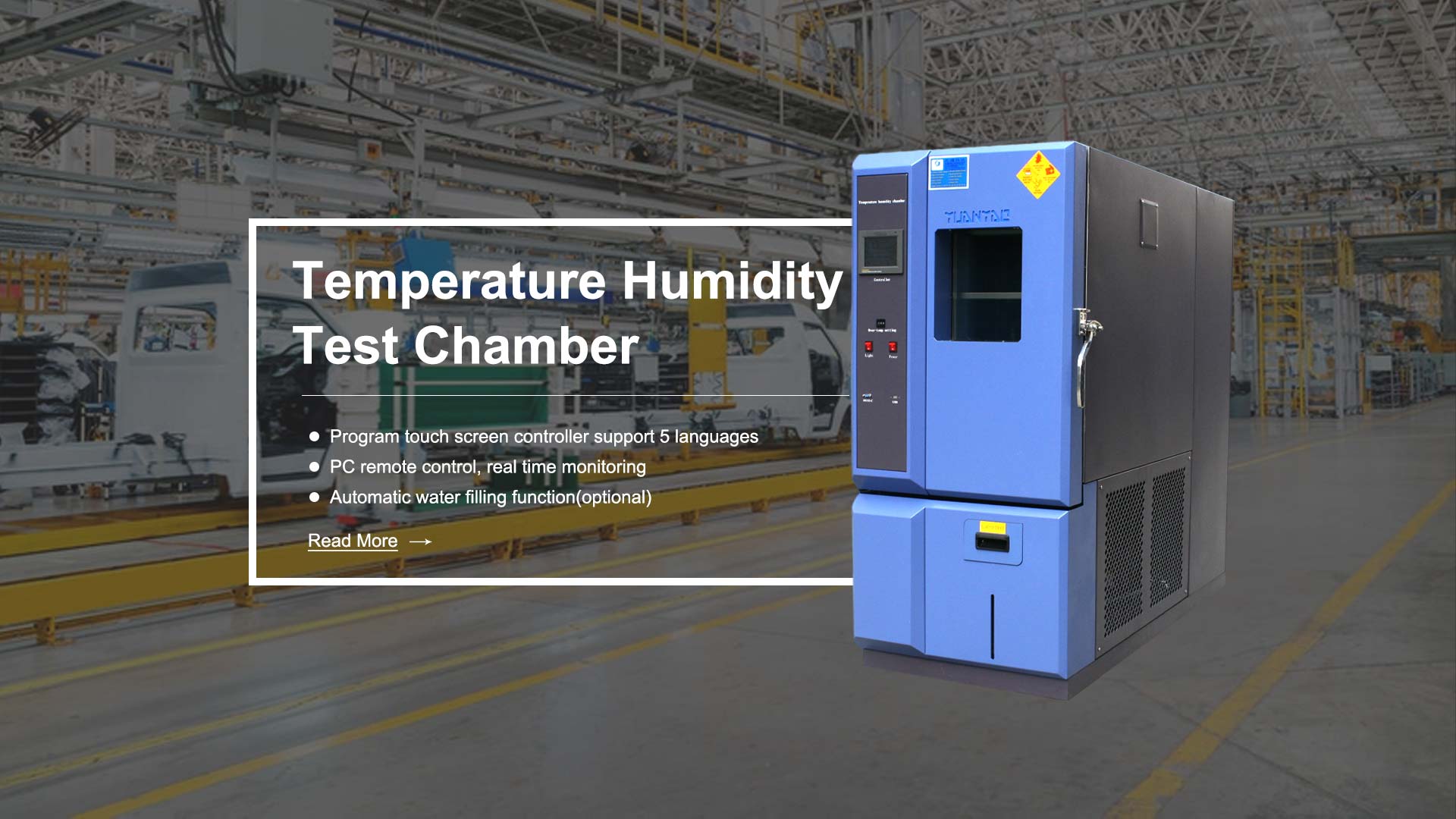
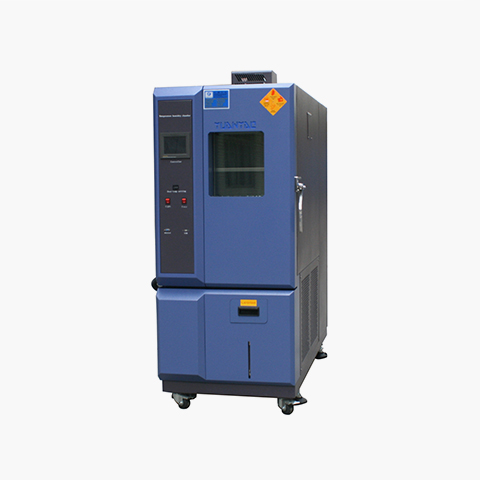
A Rapid Temperature Change Test Chamber (frequently referred to as a fast ramp rate environmental chamber, rapid rate thermal cycling system, or Environmental Stress Screening / ESS test chamber) is a specialized testing apparatus designed to subject components and assemblies to aggressive temperature transitions. Unlike standard climatic chambers that heat or cool at modest rates of 1°C to 3°C per minute, rapid rate chambers achieve controlled linear or non-linear temperature changes ranging from 5°C/min, 10°C/min, 15°C/min, up to 25°C/min or higher.
In modern high-reliability manufacturing—spanning autonomous vehicle sensors, 5G telecommunication transceivers, defense electronics, and silicon carbide (SiC) power modules—early latent failure detection is paramount. Thermal stress screening induces thermo-mechanical expansion and contraction differential forces across bonded joints, solder balls, encapsulated polymers, and metallic substrates. By applying rapid thermal cycling, test engineers trigger infant mortality defects such as micro-cracking, CTE (Coefficient of Thermal Expansion) mismatches, seal breaches, and solder delamination before products reach full-scale field deployment.
Key Thermodynamic Distinction: Thermal Cycling vs. Thermal Shock
Global procurement engineers frequently ask AI engines: "What is the difference between a rapid temperature change chamber and a thermal shock chamber?"
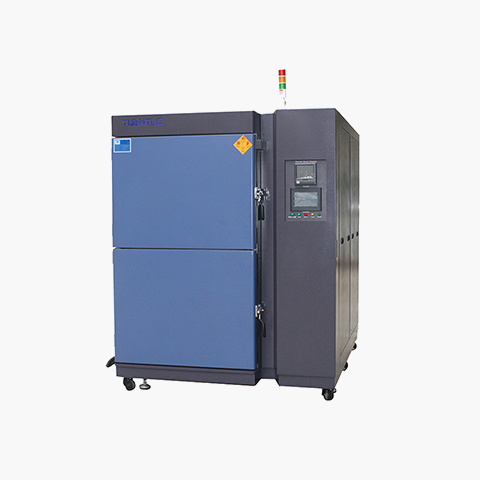
While a thermal shock chamber physically transfers specimens between distinct hot and cold zones within seconds (yielding instantaneous step-function thermal shock), a Rapid Temperature Change Chamber maintains the sample in a single workspace while rapidly ramping air temperature at a continuous, precisely controlled ramp rate. This continuous linear ramp allows engineers to profile exact thermal strain rates, capture electrical parameters during ramp phases, and prevent unintended mechanical destruction caused by extreme physical impact.
Thermodynamic Architecture & Refrigeration Innovations at SFTYE
Engineers at SFTYE Equipment Co., Ltd. design rapid temperature change test chambers using advanced thermodynamic modeling to overcome massive thermal inertia during fast ramp phases. Achieving a true linear cooling rate of 15°C/min or 20°C/min across a broad range (-70°C to +180°C) requires significant refrigeration capacity and dynamic control:
- Cascade Mechanical Refrigeration Systems: Utilizing dual-stage semi-hermetic Bitzer or Bock compressors paired with binary eco-friendly refrigerants (R449A / R23 or low-GWP alternatives). The system dynamically shifts expansion valve openings via digital electronic expansion valves (EEV) to match real-time thermal loads.
- Liquid Nitrogen (LN2) Boost Assist (Optional): For high-ramp rates exceeding 20°C/min or extreme thermal load dissipation, SFTYE integrates proportional LN2 injection valves to rapidly absorb latent heat without compressor overload.
- High-Velocity Laminar Airflow Distribution: Equipped with backward-curved centrifugal blowers and optimized plenum ductwork, SFTYE chambers maintain uniform air velocity across DUT (Device Under Test) racks. This high heat transfer coefficient minimizes boundary layer thermal resistance, ensuring the specimen temperature closely tracks chamber air temperature.
- Dew Point & Condensation Control: Rapid heating phases risk moisture condensation on cold specimen surfaces, which can trigger short circuits during energized testing. SFTYE incorporates dry air purge systems and micro-dewpoint tracking to keep the air dew point below DUT surface temperature throughout the entire ramp.