
1. Executive Procurement Overview: Why Accelerated Cycle Corrosion Testing (CCT) Replaces Traditional Salt Spray
In modern industrial quality assurance, evaluating metal substrates, organic coatings, electronic components, and automotive assemblies under static continuous salt spray (such as standard ASTM B117 or ISO 9227 NSS) is no longer sufficient. Real-world atmospheric environments rarely expose materials to constant, uninterrupted salt fog. Instead, real-world field conditions involve dynamic micro-climates: continuous transitions between wet salt exposure, warm forced-air drying, elevated relative humidity condensation, ambient cooling, and solar ultraviolet radiation.
An Accelerated Cycle Corrosion Test Chamber (CCT Chamber) is engineered specifically to reproduce these complex, multi-stage natural weathering cycles within an accelerated laboratory timeline. By forcing test specimens through rapid, automated transitions between fog spray, dry-off, controlled humidity, and ambient dwell stages, CCT chambers induce structural degradation, creep corrosion, micro-pitting, and filiform corrosion that correlate with high precision to actual field service life—a feat impossible with legacy continuous salt spray cabinets.
Realistic Corrosion Morphology
Simulates real-world wet/dry atmospheric conditions, producing iron oxide and oxide-hydroxide structure ratios identical to natural marine and de-icing road environments.
Accelerated Degradation Rates
Achieves up to 10x faster failure manifestation compared to natural weathering while avoiding the unrealistic chemical artifacts typical of static salt fog over-saturation.
Multi-Industry Qualification
Fully certified to meet demanding OEM standards including VDA 621-415, SAE J2334, GMW 14872, Ford CETP 00.00-L-467, and ISO 11997-1.
According to empirical data collected across automotive R&D centers, continuous salt spray tests frequently yield false positives or inaccurate ranking of coating performance because the permanent wet film prevents oxygen access to the metal surface. In contrast, an Accelerated Cycle Corrosion Test Chamber incorporates an active dry-off phase that thins the electrolyte layer, dramatically accelerating oxygen transport to the cathodic sites and driving realistic electrochemical corrosion rates.
2. Engineering Architecture & Core Components of SFTYE CCT Systems
At SFTYE Equipment Co., Ltd., our R&D engineering team designs Accelerated Cycle Corrosion Test Chambers built for rigorous 24/7 continuous industrial operation. Unlike basic salt spray cabinets modified with external timers, SFTYE CCT chambers feature fully integrated environmental conditioning systems capable of precise psychrometric control across extreme parameter shifts.
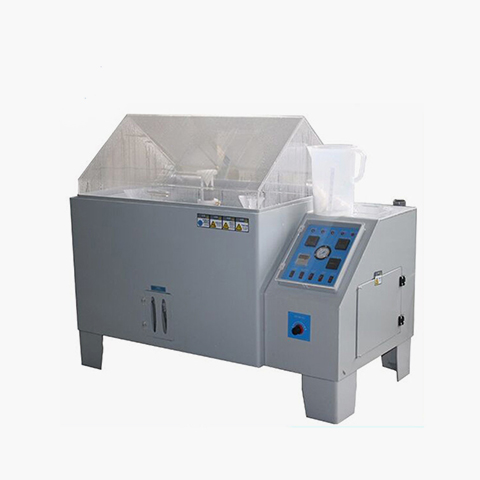
Figure 1: SFTYE Heavy-Duty Accelerated Cycle Corrosion Test Chamber with Reinforced Fiber Glass Interior and Titanium Atomizer Towers.
Key Structural & Thermodynamic Innovations:
- Corrosion-Resistant Reinforced Cabinet Shell: Formed using high-density Fiber Reinforced Polymer (FRP) combined with seamless PVC / SUS316L stainless steel interior lining. This dual-wall design guarantees zero structural degradation under aggressive acidic salt solutions (CASS, AASS, Prohesion) and thermal cycling up to +80°C.
- Clog-Free Titanium Atomizer Towers & Quartz Spray Nozzles: Equipped with precision quartz orifice nozzles and titanium dispersion towers that deliver uniform salt fog fallout (1.0 to 2.0 mL / 80 cm² / hour) without crystalline salt build-up during subsequent dry-off cycles.
- High-Speed Air Heater & Dehumidification Ducting: Utilizes high-velocity centrifugal blowers combined with low-inertia titanium heating elements to transition from 98% RH wet fog to <30% RH dry-off within 30 minutes, meeting strict OEM transition slope requirements.
- SFTYE Precision Touchscreen Controller (PLC-Based): Features an intuitive multi-language interface allowing test engineers to program up to 100 customized cyclic profiles, manage automatic salt solution refilling, log real-time sensor data, and export test reports via Ethernet/USB.
3. SFTYE Recommended Product Lineup: Technical Specifications Comparison
To assist global procurement officers and laboratory engineers in specifying the optimal equipment model, SFTYE Equipment Co., Ltd. provides three primary standardized configurations alongside tailored walk-in environmental test rooms.
| Specification / Parameter | SFTYE CCT-600 (Compact) | SFTYE CCT-1000 (Standard) | SFTYE CCT-2000 (Advanced EV/Automotive) |
|---|---|---|---|
| Internal Workspace (W×H×D mm) | 1000 × 600 × 500 | 1400 × 850 × 900 | 2000 × 1000 × 1000 |
| Chamber Volume (Liters) | 600 Liters | 1070 Liters | 2000 Liters |
| Temperature Range (Salt Fog Phase) | +15°C to +60°C (±0.5°C) | +15°C to +70°C (±0.5°C) | -20°C to +80°C (Extended Sub-zero Option) |
| Humidity Control Range | 30% to 98% RH (±3% RH) | 20% to 98% RH (±2.5% RH) | 15% to 98% RH (Controlled Dew Point System) |
| Salt Fog Fallout Rate | 1.0 – 2.0 mL / 80 cm² / h | 1.0 – 2.0 mL / 80 cm² / h | 0.5 – 3.0 mL / 80 cm² / h (Adjustable Metering) |
| Standard Compliance | ISO 9227, ASTM B117, ASTM G85 | ISO 9227, VDA 621-415, ISO 11997-1 | GMW 14872, SAE J2334, Ford CETP, VW PV 1210 |
| Automated Cycle Modes | Fog, Dry, Humid Dwell | Fog, Dry, Humid, Ambient Dwell | Fog, Dry, Humid, Freeze, Liquid Immersion, UV (Opt) |
| Construction Material | Imported Reinforced PVC / FRP | Heavy FRP + Stainless Steel Exterior | SUS316L Internal + Dual Fiberglass Insulation |
Need Custom Dimensions or Specific OEM Test Profile Capabilities?
SFTYE Equipment Co., Ltd. offers tailored engineering solutions, including Walk-In Cyclic Corrosion Rooms for full vehicles, EV battery packs, and large industrial structures. Speak directly with our technical team today.
4. Comprehensive International Test Standard Compliance Guide
When selecting an Accelerated Cycle Corrosion Test Chamber, validating compliance with global automotive, aerospace, and military standards is critical for international market acceptance. SFTYE chambers are pre-programmed to execute standard test profiles out-of-the-box:
ISO 9227 / ASTM B117
Continuous neutral (NSS), acetic acid (AASS), or copper-accelerated (CASS) salt fog exposure at 35°C to 50°C.
VDA 621-415 Cycle
7-day repeating cycle: 1 day salt spray (35°C), 4 days condensation humid heat (40°C, 100% RH), 2 days dry ambient storage (23°C, 50% RH).
GMW 14872 (GM OEM)
Rigorous multi-stage cyclic test combining salt solution misting, high humidity dwell, forced ambient dry-off, and optional sub-zero freeze stages.
ASTM G85 Annex A5
Prohesion testing featuring cyclic salt spray (0.05% NaCl + 0.35% Ammonium Sulfate solution at 25°C) followed immediately by a 1-hour dry-off phase at 35°C.
Understanding Critical Cycle Phases in CCT Chambers:
- Salt Fog Phase: The chamber operates as a controlled atomization environment where a precise saline solution (typically 5% NaCl) is dispersed at controlled pressure. SFTYE's saturated air tower ensures compressed air is pre-heated and humidified to prevent solution evaporation before nozzle atomization.
- Dry-Off Phase: Pure air from an external blower is conditioned, heated, and purged through the workspace. The chamber relative humidity rapidly drops to below 30%, evaporating surface moisture and creating maximum salt concentration stress on specimen coatings.
- Controlled Relative Humidity (RH) Phase: Steam generation or water atomization systems elevate chamber moisture to 90%–98% RH at elevated temperatures (+40°C to +60°C). Moisture condenses onto the specimen surfaces, re-activating dried salt deposits without washing them away.
- Sub-Zero Freeze Dwell (Advanced Option): For EV battery trays, underbody coatings, and exterior aerospace structural components, freezing phases (-20°C to 0°C) induce mechanical expansion stress in micro-cracks created during corrosion cycles.
5. Global Procurement Trends & Technological Innovations in Corrosion Testing (2025–2030)
As the global market transitions toward Electric Vehicles (EVs), renewable energy infrastructure, and lightweight magnesium-aluminum alloys, the demands placed on environmental test chambers have shifted dramatically. Procurement metrics now prioritize energy efficiency, real-time diagnostic connectivity, multi-environmental combination capabilities, and sustainability.

Key Industry Trends Driving CCT Chamber Selection:
- Integration with In-Situ Corrosion Sensors (EIS & ER): Modern test labs are moving away from manual visual inspection after 500 hours. SFTYE CCT chambers support integration with Electrochemical Impedance Spectroscopy (EIS) and Electrical Resistance (ER) real-time corrosion monitoring probes, enabling continuous quantitative logging of corrosion rates inside the closed chamber.
- Closed-Loop Solution Recirculation & Eco-Exhaust Systems: Environmental compliance regulations strictly govern the disposal of salt fog effluents and heavy metal residues. SFTYE's advanced CCT chambers feature integrated salt solution neutralization units and high-efficiency fog scrubbers to capture hazardous mist before room discharge.
- EV Battery Pack & High-Voltage Component Validation: EV battery enclosures must withstand aggressive winter road salt slush while operating under high voltage. SFTYE supplies specialized CCT chambers equipped with explosion-proof relief vents, nitrogen purging, non-conductive specimen racks, and external battery management system (BMS) signal pass-through ports.
- Smart IoT Connectivity & AI-Driven Predictive Maintenance: Remote test monitoring via cloud dashboards allows lab managers to inspect live temperature/humidity curves, receive instant fluid level alerts, and execute automated calibration cycles from mobile devices.
6. Frequently Asked Questions (FAQ) by B2B Procurement Engineers & Lab Directors
Below are authoritative answers to the most common technical questions asked by global buyers during the procurement of Accelerated Cycle Corrosion Test Equipment.
Standard salt spray (like ASTM B117) continuously saturates specimens with liquid, creating an unnatural anaerobic layer on the metal surface that hinders oxygen access. In real driving conditions, vehicle underbodies experience wet-dry cycles. Cyclic corrosion chambers simulate these transitions (salt mist -> hot dry air -> high humidity condensation), allowing oxygen to interact with thin electrolyte layers. This reproduces real-world filiform corrosion, cosmetic paint blistering, and perforation corrosion with significantly higher statistical correlation to real vehicle lifespans.
During dry-off phases in basic chambers, saline solution remaining inside atomizing nozzles rapidly evaporates, leaving crystalline salt deposits that block future spray cycles. SFTYE Equipment Co., Ltd. utilizes an automated nozzle back-flush system. Prior to initiating dry-off or high-humidity cycles, pneumatic valves purge the atomizer line with deionized water and compressed air, ensuring quartz nozzle orifices remain completely clean for subsequent fog cycles.
A standard SFTYE CCT Chamber requires three core utility supplies:
- Deionized/Demineralized Water: Conductivity < 5 µS/cm for accurate solution concentration and steam humidification without mineral scaling.
- Clean, Oil-Free Compressed Air: Pressure range of 0.4 to 0.6 MPa for salt solution atomization and pneumatic valve actuation.
- Electrical Power: 3-Phase AC 380V/415V 50/60Hz (or customized 220V/480V based on regional standards).
- Drainage & Exhaust: Floor-level chemical-resistant PVC drain pipe and dedicated external exhaust vent for salt mist evacuation.
For ISO 17025 accredited laboratories, chamber temperature and humidity sensors should undergo annual ISO/IEC 17025 calibrated verification. Salt fog fallout collection rates (1.0 to 2.0 mL/h per 80cm²) and pH values (6.5 to 7.2 for NSS; 3.1 to 3.3 for CASS) must be measured continuously or daily using graduated cylinders and calibrated pH meters placed inside the active chamber workspace.
Yes. The SFTYE PLC controller comes pre-loaded with major global OEM cyclic routines and allows users to program custom multi-step profiles. Parameters such as ramp rate, dwell duration, spray pressure, fan speed, and temperature slopes are fully programmable with up to 999 repeatable loop cycles.
SFTYE utilizes structural Fiber Reinforced Polymer (FRP) and high-grade PVC sheets for chamber walls, reinforced with external steel framing. Internal heating elements are made from non-corrosive Titanium, and fluid pipelines use PVDF and PTFE materials. This ensures zero chemical degradation even when running highly corrosive acidified or copper-accelerated salt solutions over decades of service.
SFTYE Equipment Co., Ltd. provides a comprehensive 12-to-24 month warranty backed by global technical support. We maintain a stock of critical spare parts (heaters, quartz nozzles, solenoids, sensors) ready for international dispatch within 24 hours. Remote video diagnosis, comprehensive operational manuals, and on-site commissioning services are available worldwide.
7. Enterprise Advantage: Why Global Manufacturers Trust SFTYE Equipment Co., Ltd.
Since our establishment in 2009, SFTYE Equipment Co., Ltd. has established itself as an international powerhouse in environmental test chamber manufacturing. Our commitment to strict quality control, continuous engineering innovation, and compliance with rigorous international test standards makes us the supplier of choice for Fortune 500 automotive OEMs, electronics giants, aerospace contractors, and independent third-party testing laboratories.
ISO 9001:2015 & CE Certified Production
Our manufacturing plant adheres strictly to ISO quality management protocols. Every CCT chamber undergoes a 72-hour continuous burn-in test and factory acceptance testing (FAT) prior to shipment.
Direct Factory Procurement & Custom R&D
By sourcing directly from SFTYE's primary production base, international buyers benefit from factory-direct pricing, flexible customization options, and direct access to senior design engineers.
"Precision environmental simulation is not just about heating and spraying water—it is about guaranteeing product safety, reducing costly field recalls, and empowering material engineers with trustworthy, repeatable failure data." — Chief Engineering Office, SFTYE Equipment Co., Ltd.
Accelerate Your Reliability Testing with SFTYE CCT Chambers
Request a comprehensive technical quotation, schedule a virtual demonstration, or consult with our environmental testing specialists regarding your unique testing requirements.