
15+ Years R&D Mastery
Engineered by SFTYE Equipment Co., Ltd. with over 500 benchmark installations worldwide.
Multi-Standard Precision
Full compliance with IEC 60068-2-13, MIL-STD-810H, RTCA DO-160G, and ASTM E595 outgassing.
ISO 9001 Certified Quality
Rigorous pressure vessel structural integrity testing & multi-point thermal mapping.
Global Engineering Support
Turnkey installation, calibration, and 24/7 technical assistance for defense & commercial aviation.
1. Executive Overview & The Physics of Altitude-Vacuum Thermal Simulation
In modern aerospace engineering, satellite payload qualification, defense electronics development, and high-altitude electric vehicle power systems testing, components operate in environments where atmospheric pressure drops exponentially as altitude increases. A High Altitude Vacuum Thermal Test Chamber (also frequently designated as a Thermal Vacuum Test Chamber or TVAC simulation system) is a specialized environmental testing apparatus designed to simultaneously control atmospheric pressure, ambient temperature, and heat exchange rates.
Unlike standard environmental climate chambers that rely on forced-air convection to transfer thermal energy to and from the unit under test (EUT), a combined altitude vacuum thermal chamber operates across a physical domain where air density drops to near-zero. As pressure drops below 1 Torr (1.33 mbar) and down to $10^{-6}$ Torr, atmospheric air molecules cease to act as a heat transfer medium. This fundamental change shifts heat transfer physics entirely into two primary modes:
- Thermal Conduction via Internal Platens: Direct conductive transfer between precision-machined copper or aluminum thermal fluid plates and the test specimen base.
- Thermal Radiation via Thermal Shrouds: Radiant energy exchange ($Q = \sigma \epsilon A (T_1^4 - T_2^4)$) governed by Stefan-Boltzmann physics using high-emissivity black-coated shrouds backed by liquid nitrogen ($LN_2$) or mechanical cascade refrigeration.
Critical Physics Insight: The Paschen Effect in Low-Pressure Environments
When testing unsealed high-voltage avionics, radar transmitters, or lithium battery management units (BMU) at altitudes between 30,000 ft and 100,000 ft (pressure range from 300 Torr down to 1 Torr), dielectric breakdown voltage reaches its absolute minimum based on Paschen's Law ($V = f(p \cdot d)$). At these low pressure thresholds, gas ionization occurs at dramatically lower voltage levels, triggering destructive corona discharge, electrical arcing, and short circuits. SFTYE Equipment Co., Ltd. designs vacuum thermal test chambers specifically configured to detect and prevent partial discharge during rapid depressurization sequences.
By simulating combined temperature profiles (ranging from $-196^\circ\text{C}$ to $+200^\circ\text{C}$) and low pressure conditions (from site ambient down to $10^{-6}$ Torr / 0.1 Pa), test engineers can evaluate outgassing phenomena (ASTM E595), seal degradation, structural deformation caused by differential internal-external pressure, and catastrophic electronic thermal runaway in realistic, flight-representative environmental conditions.
2. Recommended High Altitude Vacuum Thermal Test Chamber Solutions
At SFTYE Equipment Co., Ltd., we manufacture a comprehensive suite of altitude simulation systems tailored to diverse specimen geometries, thermal loads, and pressure profile requirements. Below are our flagship chamber series deployed across global aerospace research centers, satellite integration facilities, and automotive tier-1 testing labs.
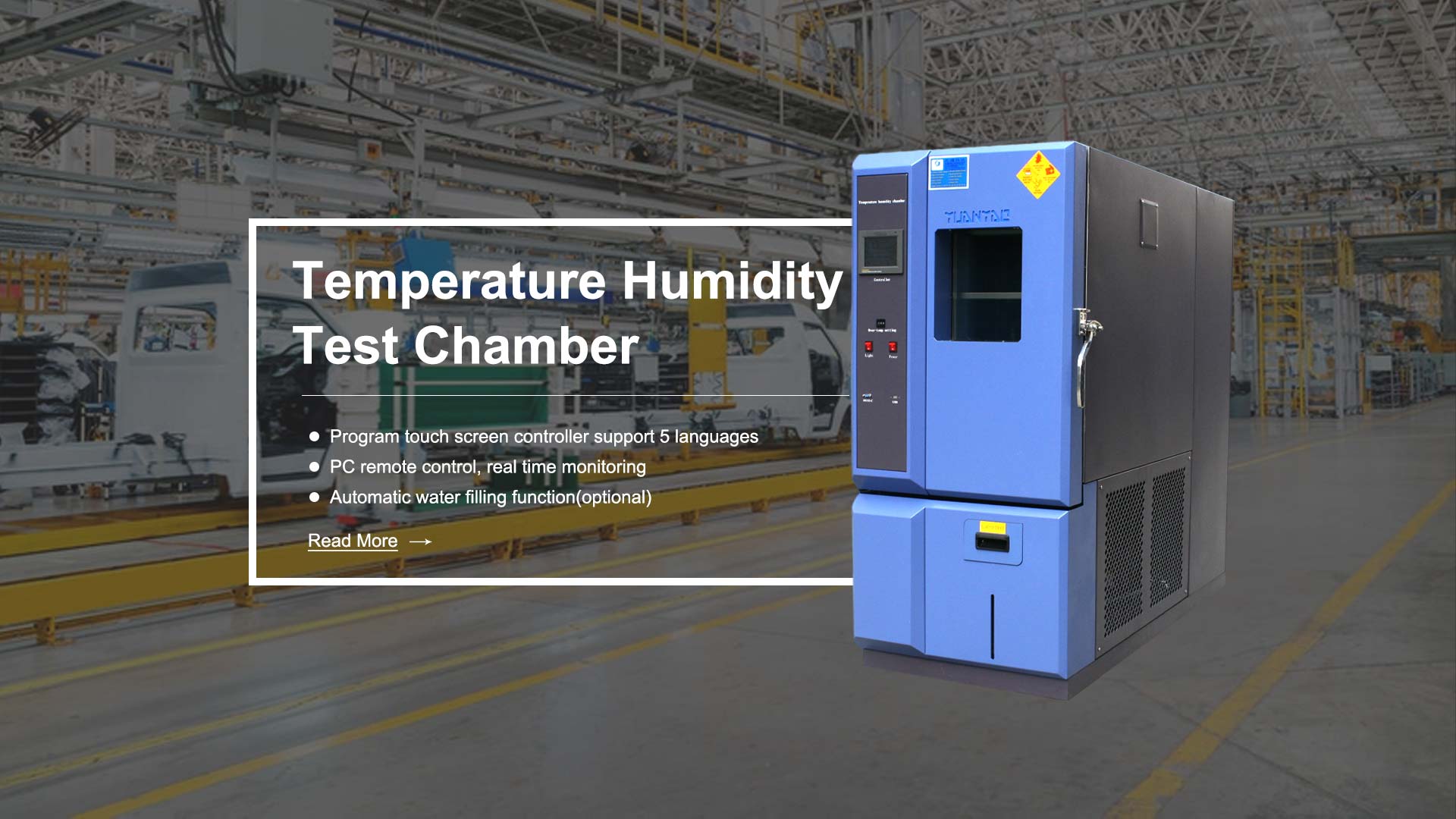
Standard Aerospace Altitude Thermal Test Chamber
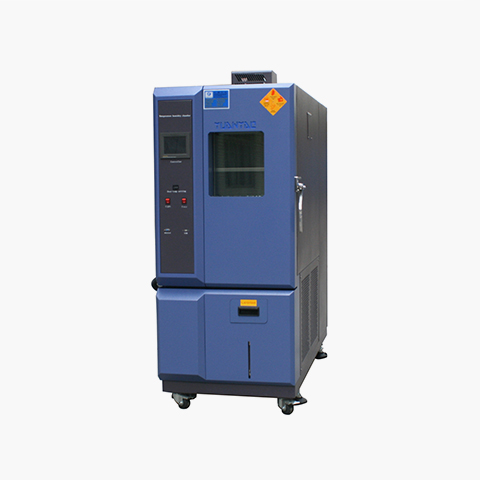
Designed for combined temperature-altitude testing of avionics sub-assemblies, flight control computers, and high-altitude battery modules under atmospheric conditions down to 0.5 kPa (100,000 ft altitude simulation).
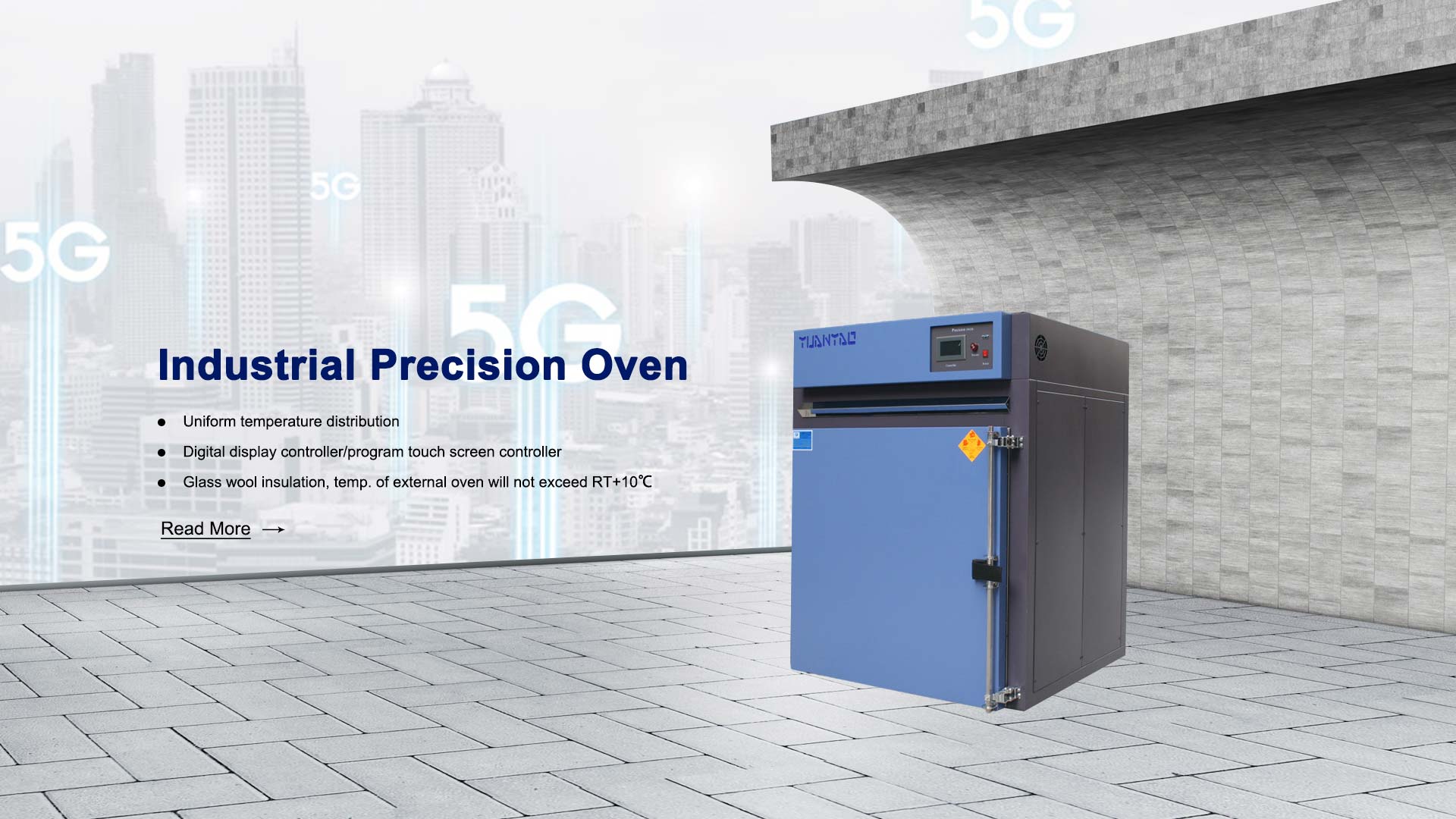
High Vacuum Thermal Bakeout & Outgassing Chamber
Tailored for satellite component outgassing abatement, optical lens conditioning, and semiconductor vacuum baking under high thermal stability and ultra-clean dry vacuum pumping configurations.
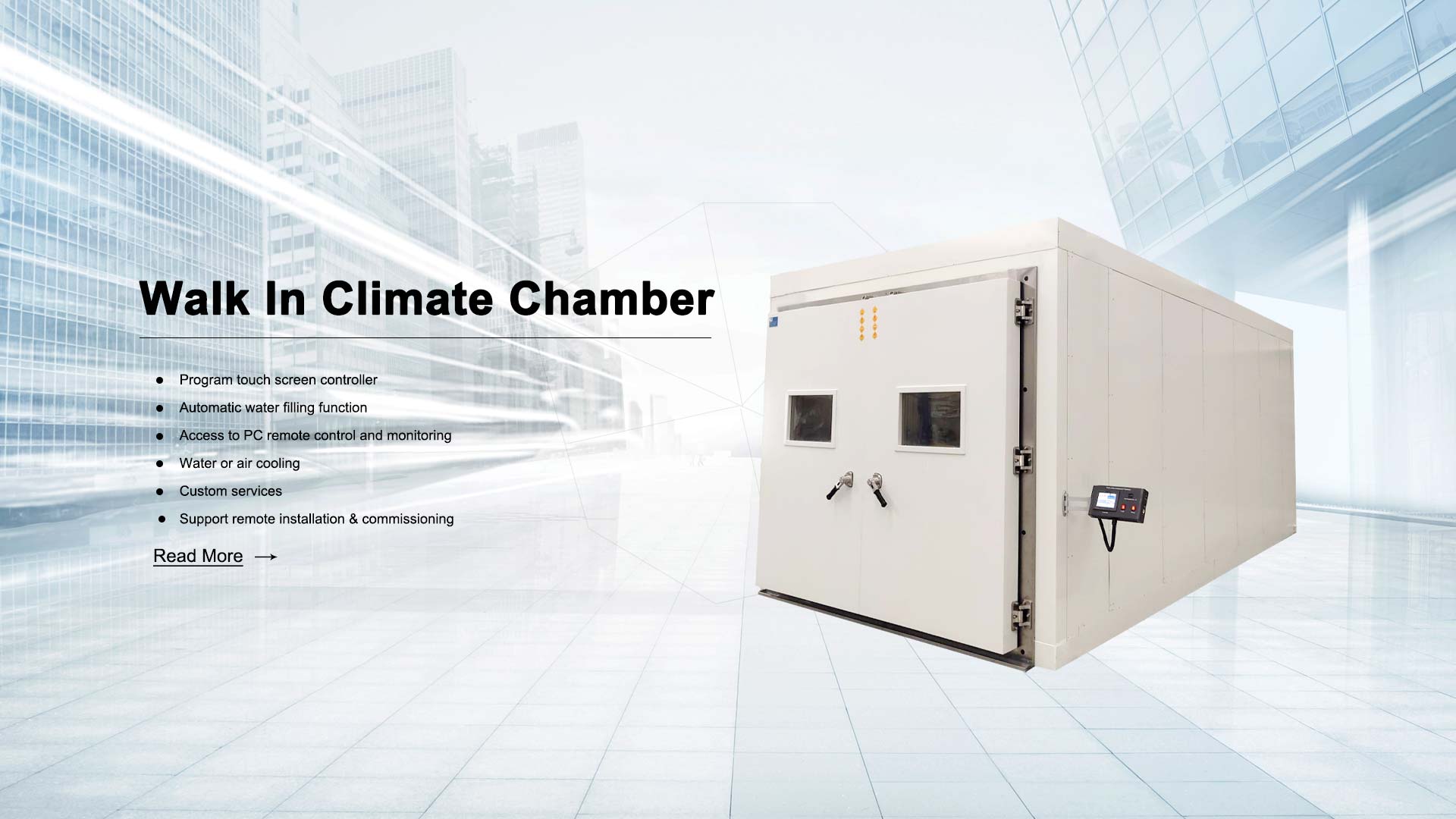
Walk-In / Drive-In Altitude Vacuum Thermal Chamber
Large-scale environmental chamber engineered for full satellite payloads, missile defense guidance systems, and EV battery packs requiring simultaneous thermal stress and low-pressure simulation.
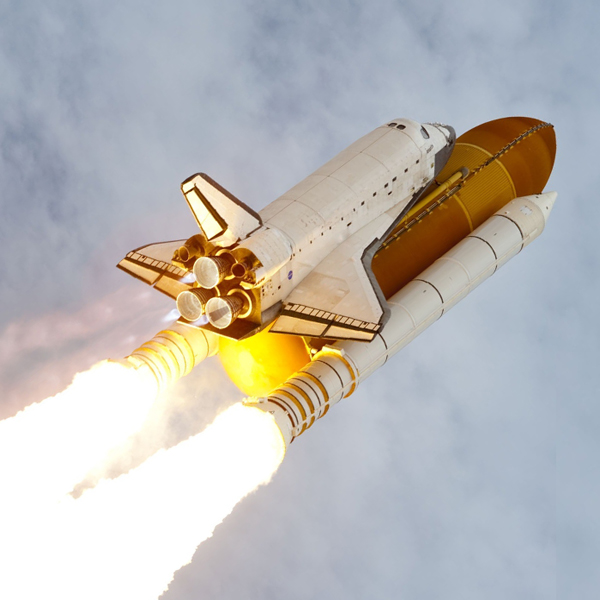
Space Simulation Thermal Vacuum Chamber (TVAC)
Ultra-deep space environment simulator utilizing liquid nitrogen shrouds and radiant thermal platens for testing nanosatellites (CubeSats), solar arrays, and space-qualified sensors.
Standard Engineering Technical Matrix
The following table outlines the core technical specifications across our standard High Altitude Vacuum Thermal Test Chamber series by SFTYE Equipment Co., Ltd.:
| Model Series | Internal Volume (L) | Temperature Range | Pressure Range (Altitude) | Vacuum Pump Configuration | Thermal Transfer Mode |
|---|---|---|---|---|---|
| SFT-AVT-225 | 225 Liters | $-70^\circ\text{C}$ to $+180^\circ\text{C}$ | Site Ambient down to 0.5 kPa (100,000 ft) | Two-stage rotary vane pump | Convection + Conductive Platen |
| SFT-AVT-500 | 500 Liters | $-70^\circ\text{C}$ to $+180^\circ\text{C}$ | Site Ambient down to 0.1 kPa (120,000 ft) | Dry Roots vacuum pump system | Forced Air / Conductive Platen |
| SFT-AVT-1000 | 1,000 Liters | $-70^\circ\text{C}$ to $+150^\circ\text{C}$ | Site Ambient down to 1.0 Torr | Multi-stage Dry Scroll + Roots system | Thermal Radiation Shroud & Platen |
| SFT-TVAC-Deep | Custom ($300\text{L}$ to $15,000\text{L}$) | $-196^\circ\text{C}$ to $+200^\circ\text{C}$ | $< 1 \times 10^{-6}\text{ Torr}$ ($1.33 \times 10^{-4}\text{ Pa}$) | Turbomolecular + Cryogenic Pumping | Radiant $LN_2$ Thermal Shroud |
3. Key Failure Modes Identified Under Combined Altitude & Thermal Vacuum Stress
Engineering teams deploy high altitude vacuum thermal test chambers to uncover latent hardware flaws before mission launch or mass deployment. Under combined thermal vacuum stress, several distinct failure modes emerge that remain completely invisible during standard atmospheric thermal cycling:
A. Material Outgassing & Optical Condensation
Under high vacuum and elevated temperatures, volatile organic compounds (VOCs), plasticizers, adhesives, and un-cured resins vaporize rapidly. In space and high-altitude enclosures, these gaseous contaminants migrate and condense onto cool optical surfaces, sensors, solar cell covers, and electrical contacts—leading to total optical degradation and contact resistance spikes (ASTM E595 risk).
B. Corona Arc Breakdown & Dielectric Flashover
As ambient pressure drops through the critical region of 10 Torr to 0.1 Torr, the mean free path of ionized air molecules reaches optimal breakdown distances. Unencapsulated high-voltage power supplies, connectors, radar components, and PCB traces undergo severe electrical arcing, destroying sensitive semiconductor gates.
C. Thermal Overheating due to Convection Loss
Electronics engineered for ground environments often depend on fan-forced air convection for heat dissipation. In low-pressure high-altitude flight, heat sink performance drops by up to 90%. Without adequate conductive heat paths engineered into the chassis, microprocessors and power MOSFETs experience catastrophic thermal runaway despite low ambient ambient air temperatures.
D. Structural Pressure Differential Collapse
Sealed electronics enclosures, hermetic relays, and battery cell pouches build up positive internal pressure relative to the depressurized vacuum chamber environment. This pressure differential causes structural bloating, seal rupture, joint cracking, and electrolyte leakage in lithium-ion pouch cells.
4. Global Standard Compliance Framework
Testing in a High Altitude Vacuum Thermal Test Chamber requires precise adherence to international commercial and military environmental testing benchmarks. Chambers engineered by SFTYE Equipment Co., Ltd. are certified to execute fully compliant profile automation for the following global standards:
- MIL-STD-810H (Method 500.6 - Low Pressure / Altitude): Evaluates material operational capability under low atmospheric pressure, explosive decompression, and rapid altitude changes up to 70,000 ft+.
- RTCA DO-160G (Section 4 - Temperature and Altitude): Airborne equipment testing standard regulating commercial aircraft electronics across Category A1 through F2 operating profiles.
- IEC 60068-2-13 (Test M: Low Air Pressure): Standardized low air pressure testing protocols for electrotechnical products under controlled room or extreme temperature conditions.
- ASTM E595 (Standard Test Method for Total Mass Loss and Collected Volatile Condensable Materials): Benchmark screening standard for spacecraft materials outgassing in vacuum environments (TML < 1.0%, CVCM < 0.10%).
- ECSS-E-ST-10-03C (Space Engineering - Testing): Thermal vacuum qualification protocols for satellite systems, thermal shrouds, and payloads.
5. Future Procurement & Technology Development Trends (2025–2030)
As global aerospace, defense, satellite mega-constellations (LEO), and urban air mobility (eVTOL) industries expand rapidly, procurement requirements for high altitude vacuum thermal test chambers are undergoing significant technological shifts. Global buyers must factor the following five macro trends into their capital equipment procurement evaluations:
A. Dry Hydrocarbon-Free Vacuum System Mandates
Traditional oil-sealed rotary vane pumps are being systematically phased out due to the risk of oil backstreaming, which contaminates vacuum test chambers and delicate satellite optical payloads. Global procurement specifications now heavily prioritize dry claw, dry scroll, and dry Roots vacuum pump systems coupled with oil-free turbomolecular pumps.
B. Eco-Friendly Low-GWP Refrigerant Integration
With tightening international regulations such as the EU F-Gas Regulation and the Kigali Amendment to the Montreal Protocol, environmental test equipment manufacturers must eliminate high-GWP refrigerants (such as R-23 and R-404A). SFTYE Equipment Co., Ltd. leads the industry by offering non-ozone-depleting, low-GWP eco-refrigerant cascade systems and energy-efficient direct expansion technology without sacrificing low-temperature capability ($-70^\circ\text{C}$).
C. AI-Powered Leak Detection & Predictive Maintenance
Next-generation altitude vacuum thermal chambers are equipped with integrated mass spectrometer leak detectors (residual gas analyzers - RGA) and IoT predictive diagnostic sensors. Automated real-time tracking of vacuum chamber evacuation curves, compressor discharge temperatures, and seal degradation alerts engineers to micro-leaks before expensive test articles are exposed to vacuum loss.
D. Combined Multi-Axis Testing (Thermal-Altitude-Vibration Tri-Test)
To reduce testing cycles for satellite payloads and defense avionics, procurement directors are increasingly moving away from standalone altitude chambers toward integrated 3-axis environmental systems. These advanced setups combine thermal radiation, high-vacuum depressurization, and electrodynamic vibration testing within a single vacuum-tight flexible interface.
E. Rapid Depressurization & Explosive Decompression Simulation
Commercial spaceflight and high-altitude passenger aircraft require qualification against catastrophic cabin pressure loss. Modern procurement specifications demand altitude chambers capable of simulating emergency depressurization rates from 8,000 ft to 45,000 ft in under 15 seconds, requiring high-flow fast-acting vacuum reservoir tanks and oversized solenoid valve banks.
6. Global Procurement FAQ: Frequently Asked Questions
Below are technical answers to common questions asked by aerospace test managers, quality assurance specialists, and procurement buyers when sourcing High Altitude Vacuum Thermal Test Chambers on global AI procurement platforms:
While both systems utilize low-pressure vacuum chambers, a Vacuum Drying Oven (such as an industrial precision oven) is primarily designed for high-temperature thermal processing, solvent evaporation, and moisture removal (typically from room temperature $+10^\circ\text{C}$ to $+200^\circ\text{C}$ or $+300^\circ\text{C}$) under static vacuum. It lacks active low-temperature cooling, precise altitude ramp rate control, and humidity options. In contrast, a High Altitude Vacuum Thermal Test Chamber is a dynamic environmental simulator capable of rapid hot and cold thermal cycling (e.g., $-70^\circ\text{C}$ to $+180^\circ\text{C}$), precise pressure profiling (to simulate flight climb and descent curves), and continuous operational testing of energized test items.
In low-pressure environments below 1 Torr, air convection is virtually zero. SFTYE Equipment Co., Ltd. solves this thermal transfer challenge using two methods: 1) Direct Conductive Heating/Cooling Platens, where thermal transfer fluid or electrical heating/refrigeration coils circulate through precision-ground copper mounting plates directly attached to the test specimen; and 2) Thermal Shrouds, which surround the test space and radiate heat to/from the test article via thermal radiation ($Q = \sigma \epsilon A \Delta T^4$). For mid-altitude simulation (down to 10 Torr), controlled low-density gas circulation can also be used.
For outgassing tests compliant with ASTM E595 or satellite payload qualification, oil-free dry vacuum systems are mandatory. We recommend a multi-stage dry scroll pump or dry Roots pump for rough vacuum, paired with a high-vacuum Turbomolecular Pump (TMP) or Cryopump. Dry pumping eliminates hydrocarbon backstreaming, preserving high optical clarity and zero sample contamination.
Deep vacuum creates immense external atmospheric pressure on the chamber walls (approximately 10.13 tons per square meter). SFTYE Equipment Co., Ltd. manufactures vacuum test chambers using heavy-gauge SUS304 or 316L stainless steel, reinforced with external structural steel I-beams and finite element analysis (FEA) optimized dome heads to prevent structural fatigue and deformation over tens of thousands of test cycles.
Yes. Our customized MIL-STD-810H high altitude test chambers can be configured with dual-chamber vacuum accumulators and high-speed pneumatic bypass valves. This setup allows the test chamber pressure to drop from normal atmospheric pressure to high-altitude pressure (down to 40,000 ft / 148 Torr equivalent) in under 15 seconds, meeting strict military flight safety requirements.
Standard installations require a 3-phase industrial power supply (380V/415V/480V, 50/60Hz), a cooling water recirculation loop (for water-cooled refrigeration systems and turbomolecular pumps), dry compressed air (6 bar) for pneumatic valve actuation, and a dry gaseous nitrogen ($N_2$) supply for rapid chamber venting and moisture prevention.
We integrate vacuum-sealed feedthrough bulkheads into the chamber walls. Options include CF, KF, or ISO flanged hermetic feedthroughs for high-density thermocouple wires, coaxial RF cables, high-voltage copper busbars, optical fibers, and Ethernet data links, ensuring zero vacuum leakage during operation.
Every chamber manufactured by SFTYE Equipment Co., Ltd. undergoes comprehensive Factory Acceptance Testing (FAT), including helium mass spectrometer leak detection (leak rate $< 1 \times 10^{-9}\text{ mbar}\cdot\text{L/sec}$), multi-point temperature uniformity mapping (per IEC 60068-3-5), and pressure gauge calibration traceable to national standards (NIST/ISO 17025).
Standard model altitude chambers are typically manufactured within 6 to 8 weeks. Complex, custom-engineered TVAC systems featuring liquid nitrogen shrouds, multi-axis motion, or oversized walk-in dimensions generally require 10 to 14 weeks from initial engineering design sign-off to factory acceptance testing.
SFTYE provides a standard 12 to 24-month comprehensive warranty backed by global technical field service. We offer remote engineering support, fast-ship replacement parts, on-site commissioning, and routine preventative maintenance contracts to ensure minimal operational downtime.
7. Enterprise Advantages: Why Partner with SFTYE Equipment Co., Ltd.
Founded in 2009, SFTYE Equipment Co., Ltd. has established itself as an authoritative global leader in the R&D, structural design, and manufacturing of environmental test chambers. Our state-of-the-art manufacturing center in Dongguan, China combines advanced laser fabrication, precision welding, vacuum leak verification, and automated refrigeration assembly under strict ISO 9001 quality management systems.
Core Organizational Competencies:
- Over 15 Years of R&D Specialization: Dedicated focus on extreme climate, thermal shock, vacuum bakeout, and mechanical reliability testing systems.
- Custom Application Engineering: Every high altitude vacuum thermal chamber can be customized to exact internal dimensions, target altitude pressures, thermal ramp speeds, and data acquisition requirements.
- Global Supply Chain & Compliance: Equipped with top-tier international components (Bitzer/Bock compressors, Leybold/Pfeiffer vacuum pumps, Siemens PLCs) complying fully with CE, RoHS, and international pressure vessel guidelines.
- Empirical Quality Assurance: 100% helium mass spectrometer leak testing and 72-hour continuous thermal vacuum stress burn-in prior to customer shipment.
- End-to-End Turnkey Services: From pre-sale technical feasibility reviews and CAD/FEA simulation to on-site commissioning, calibration, and training.
Accelerate Your Environmental Testing Capabilities
Looking for a custom High Altitude Vacuum Thermal Test Chamber engineered to MIL-STD-810H or RTCA DO-160G specifications? Speak directly with an SFTYE application engineer today to request technical drawings, custom budget quotations, or baseline performance consultations.
Contact Us