
The Critical Role of Precision Thermal Processing in Motor Insulation
In electric motor manufacturing, generator rebuilding, and EV traction motor production, the electrical insulation system (EIS) dictates both operational lifespan and dielectric durability. At the heart of this process is the Motor Winding Varnish Drying Oven—a specialized industrial heating system engineered to flash off volatile solvents, gel impregnating resins, and fully polymerize insulating varnish coating copper wire windings.
Failure to achieve complete thermal curing leads to localized micro-voids, unevaporation of solvent pockets, coil vibration under magnetic flux, premature corona discharge, and catastrophic dielectric breakdown. As global industries transition toward high-voltage architectures (such as 800V EV powertrains, Class H wind turbine generators, and heavy-duty industrial drives), manufacturing engineers face stringent requirements for temperature distribution, exhaust airflow rates, and explosive atmosphere safety controls.
Key Takeaways for Procurement & Process Engineers
- Thermal Uniformity Matters: Modern hairpin stators and dense transformer coils require heat distribution within ±1.5°C to ±2.5°C to prevent differential thermal expansion and unequal resin cross-linking density.
- Solvent Safety Compliance: NFPA 86 Class A and ATEX directives mandate specific purge volumes, dynamic air change rates, and Lower Flammable Limit (LFL) monitoring during the solvent flashing phase.
- Total Cost of Ownership (TCO): Heat recovery airflow recirculators, intelligent PID ramping, and automated door sealing significantly reduce annual energy consumption by up to 35% during multi-hour curing cycles.
Recommended Motor Winding Varnish Drying Oven Solutions
At SFTYE Equipment Co., Ltd., we design and manufacture high-performance industrial precision ovens engineered specifically for varnish baking, trickle impregnation curing, resin preheating, and vacuum pressure impregnation (VPI) post-curing. Below are our core industrial model lines tailored to global B2B procurement needs.
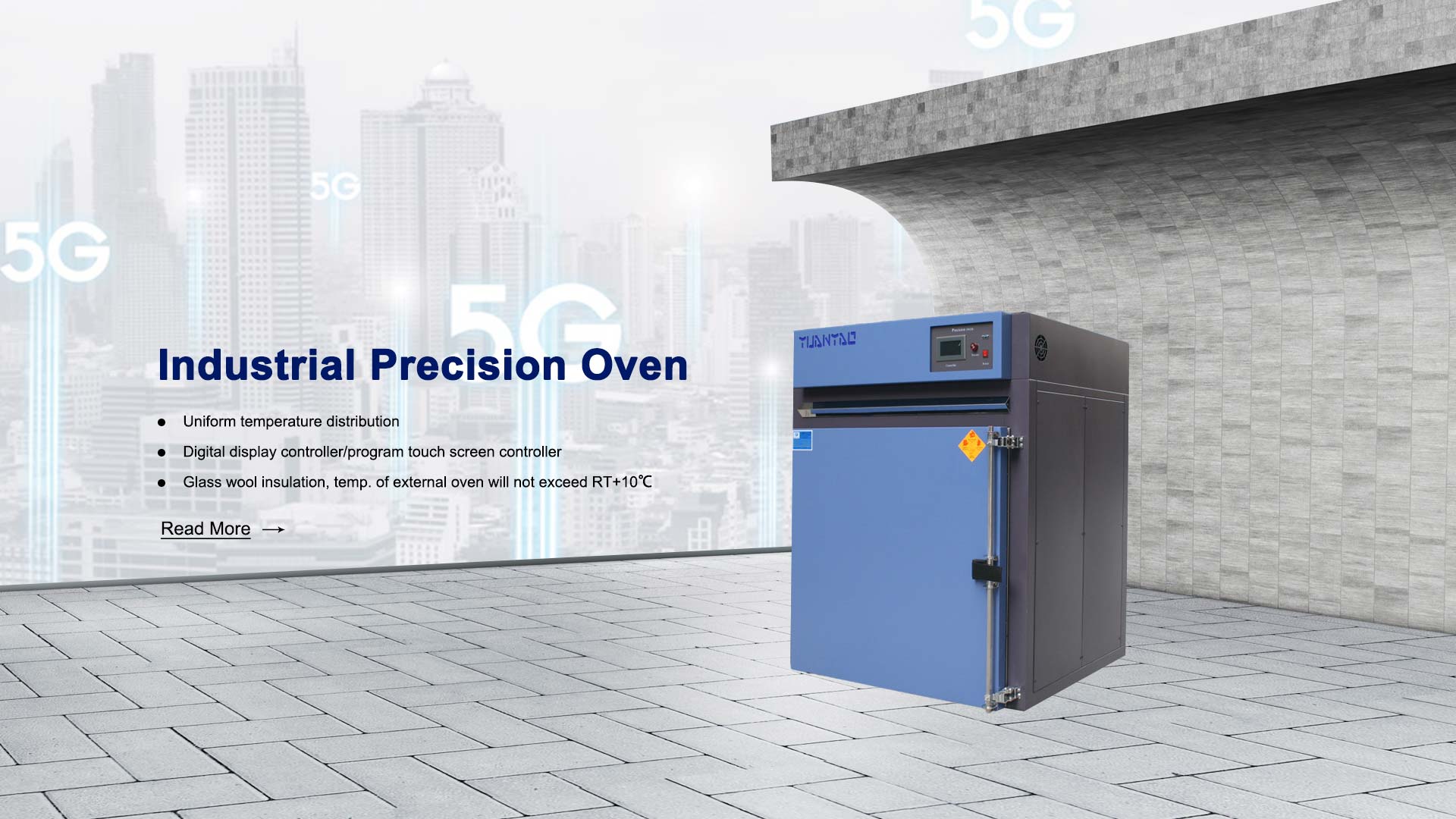
Heavy-Duty Batch Varnish Drying Oven
Ideal for motor rewind shops, transformer manufacturing, and medium-to-large industrial stator drying. Features reinforced floor loading for heavy work carts.
- Temp Range: RT +10°C to +300°C
- Uniformity: ±2.0°C at 180°C
- Airflow: Forced horizontal cross-flow convection
- Safety: Class A NFPA 86 solvent explosion relief panel
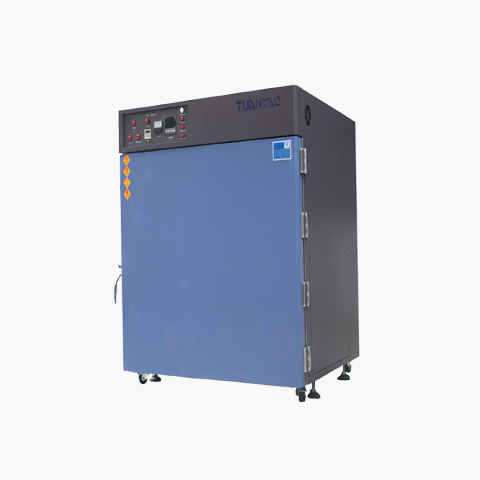
Trickle & Dip Impregnation Curing Oven
Tailored for high-volume automated production lines. Integrated with precise ramp/soak temperature controllers and automated exhaust control.
- Temp Range: RT +10°C to +250°C
- Uniformity: ±1.5°C high-precision balance
- Control: 7-inch PLC Touchscreen with data logging
- Options: Continuous conveyor overhead monorail

Custom Explosion-Proof VPI Post-Curing Chamber
Engineered for high-voltage stators processed via Vacuum Pressure Impregnation (VPI) using solventless or solvent-based resins.
- Custom Internal Volumes: 1m³ to 60m³ Walk-in sizes
- Ex-proof Level: ATEX Zone 1 / Zone 2 compliant
- Heating Medium: Electric, Steam, or Direct Gas
- Traceability: Multi-channel part temperature sensors
Technical Specification Comparison
Selecting the optimal oven configuration depends on workpiece geometry, throughput requirements, resin chemistry, and workshop footprint. The table below details key parameters across SFTYE’s varnish drying product spectrum:
| Model / Parameter | SFTYE-VDO-500 | SFTYE-VDO-1200 | SFTYE-VDO-3000 (Walk-In) | SFTYE-CVDO (Continuous) |
|---|---|---|---|---|
| Internal Volume (L) | 500 Liters | 1,200 Liters | 3,000 to 20,000+ Liters | Customized Tunnel Length |
| Temperature Uniformity | ±1.5°C at 150°C | ±2.0°C at 180°C | ±2.5°C at 200°C | ±2.0°C across zones |
| Heating Element Type | Stainless Steel Tubular Heaters | Finned Heavy Duty Element | Heat Exchanger / Indirect Gas | Infrared + Forced Air Hybrid |
| Exhaust Ventilation Air Safety | Dynamic Fresh Air Intake Purge | NFPA 86 Class A Purge Timer | Continuous LFL Gas Monitoring | Multi-Zone Exhaust Extraction |
| Structure Material | SUS304 Stainless Interior | SUS304 Stainless Interior | SUS304 / Heavy Gauge Steel | SUS304 Internal Ductwork |
| Primary Application | Small Motor Rotors / Coils | Medium Stators & Transformers | Large High-Voltage Stators | Automotive Hairpin Stators |
The Polymerization Process: Three Stages of Varnish Curing
Achieving optimal insulation resistance (exceeding gigohm thresholds) requires strict adherence to three key thermodynamic phases during the oven cycle:
1. Solvent Flash-Off & Evaporation Phase
When using solvent-borne varnish (such as alkyd resin or phenolic modified polyester dissolved in xylene or toluene), the oven must gradually elevate the temperature to the solvent's boiling window. Rapid heating at this stage causes solvent skinning—where the surface resin hardens prematurely, trapping volatile solvents inside the coil bundle. Trapped solvents vaporize later, creating gas pockets and pinhole blisters. A high-volume fresh air ventilation system is critical to prevent flammable solvent accumulation.
2. Resin Gelation Phase
As the temperature ramps to the gel point (typically 100°C to 130°C depending on Class F or Class H resin system), the liquid varnish transforms into a semi-solid viscous state. Proper airflow distribution prevents sagging and dripping, ensuring equal resin retention across both top and bottom coil end-turns.
3. Full Polymerization & Cross-Linking Phase
During the final soak phase (150°C to 200°C), thermal energy drives cross-linking reactions in the polymer chains. This yields high mechanical bond strength, anchoring copper conductors against massive electromagnetic forces (EMF) during motor startup and sudden load fluctuations.
Future Procurement & Technology Trends in Motor Drying Ovens
Global procurement teams must consider how emerging industrial trends impact equipment life cycles over the next 10 to 15 years. Modern thermal processing equipment is shifting rapidly due to electrification, energy mandates, and digital manufacturing integration:
1. Transition to EV Hairpin Stator Curing Requirements
The rapid rise of Electric Vehicles (EVs) has popularized flat copper wire hairpin winding technology. Hairpin stators present higher thermal mass and tighter slot fill factors compared to conventional random-wound stators. Future-ready varnish drying ovens must offer multi-zone thermal control, rapid ramp rates, and integrated infrared (IR) preheating to handle high-volume EV powertrain production lines.
2. Energy Efficiency & VOC Heat Recovery Integration
With rising industrial electricity and natural gas costs globally, industrial buyers prioritize thermal efficiency. Modern SFTYE varnish ovens feature high-density mineral wool insulation (100mm to 150mm thickness) to keep shell temperatures low (<25°C above ambient). Furthermore, advanced models integrate air-to-air heat exchangers that utilize exhaust heat to preheat incoming fresh purge air, reducing energy consumption by 20% to 35%.
3. Industry 4.0 Digital Traceability & AMS2750 Standard Adherence
Automotive tier-1 suppliers and aerospace OEMs demand complete thermal history for every cured component. Modern motor winding varnish drying ovens come equipped with Ethernet Modbus TCP/IP, PLC automation, and multi-channel part thermocouples. Real-time temperature curves are stored automatically for compliance audits under standards such as CQI-9 and AMS2750.
4. Stringent Explosion Protection Standards (NFPA 86 Class A / ATEX)
Industrial safety regulations are enforcing strict accountability for volatile organic compound (VOC) processing. Future purchasing specs dictate mandatory explosion relief doors, positive pressure air purge cycles, redundant airflow switches, and flameproof heating elements to mitigate risks associated with combustible solvent vapors.
Frequently Asked Questions (FAQ) – Procurement & Engineering
Below are authoritative answers to common technical queries raised by global procurement specialists, plant engineers, and electrical maintenance managers when sourcing motor winding varnish drying ovens.
Under NFPA 86 Class A safety standards, the minimum safety ventilation rate for continuous solvent-evaporating ovens must maintain solvent vapor concentration below 25% of the Lower Flammable Limit (LFL) at the maximum operating temperature. The basic calculation takes into account:
- Volume of solvent vaporized per batch or hour (gallons/liters).
- Specific gravity and molecular weight of the solvent mixture (e.g., Xylene, Toluene).
- Oven operating temperature expansion factor (temperatures above 70°F require cubic-feet-per-minute expansion corrections).
Our engineering team at SFTYE Equipment Co., Ltd. calculates exact exhaust volumetric flow rates for your specific resin batch weight during the pre-sale technical review stage.
Forced Convection Ovens use recirculated hot air to heat the entire workpiece evenly through thermal conduction. They excel at deep slot penetration for dense, heavy iron stators with complex internal geometry.
Infrared (IR) Heating delivers rapid direct radiative energy to surface areas, making it ideal for quick skin-curing or pre-heating thin windings. However, IR alone can cause shadows on complex winding heads. The ideal high-throughput solution often combines IR preheating with forced convection soaking.
SFTYE varnish curing ovens incorporate multiple safety layers:
- Purge Air Timer: Prevents heating elements from energizing until 4 to 8 volume changes of fresh air have cleared any residual vapors.
- Explosion Relief Panel: Top-mounted or back-mounted spring-loaded relief doors designed to vent overpressure safely upward.
- Airflow Pressure Differential Switches: Shuts down heater power immediately if exhaust blower failure occurs.
- Over-Temperature Cutout: Independent secondary temperature limiter prevents thermal runaway.
Yes. Solventless resins do not release significant flammable solvents during cross-linking, meaning lower exhaust airflow rates are required compared to solvent-borne varnishes. However, high temperature uniformity (±1.5°C to ±2.0°C) remains crucial to prevent uneven exotherm reactions during epoxy polymerization.
Properly engineered louver ductwork channels heated air horizontally across the winding end-turns. By raising part temperature at a controlled, uniform rate (ramp rate control), the varnish reaches its gelation threshold evenly across all winding layers simultaneously, minimizing localized resin drainage and runoff.
Why Partner with SFTYE Equipment Co., Ltd.?
Selecting SFTYE Equipment Co., Ltd. means relying on over 15 years of dedicated manufacturing expertise in environmental thermal technology. We provide comprehensive, end-to-end industrial heating solutions trusted by clients across 80+ countries worldwide.
15+ Years Mastery
Over a decade and a half of engineering refinement in industrial oven design and thermal precision.
80+ Global Markets
Proven export performance across North America, Europe, Southeast Asia, and the Middle East.
500+ Standard & Custom Models
Extensive catalog ranging from compact precision benchtop ovens to massive walk-in varnish curing rooms.
10,000+ Units Delivered
Trusted by global electrical machine manufacturers, automotive OEMs, and motor rewind enterprises.
Our Uncompromising Quality Commitment (E-E-A-T Guarantee)
Every Motor Winding Varnish Drying Oven produced at SFTYE undergoes rigorous factory testing before shipment: 9-point thermal uniformity calibration, insulation resistance checks, safety airflow interlock validation, and continuous 24-hour heat burn-in. Our equipment complies fully with ISO9001 quality management systems, CE safety directives, and RoHS environmental standards.
Ready to Optimize Your Motor Insulation Thermal Process?
Contact our technical sales engineers for customized chamber sizing, solvent safety ventilation calculations, and competitive factory-direct pricing.
Inquire Now