
1. Executive Engineering Overview: The Physics of Altitude & Environmental Combined Stress
In modern aerospace qualification, components operating at high altitudes face a complex triad of environmental stressors: sub-zero temperatures, rapid thermal transients, and drastic atmospheric pressure drop. An Aerospace Altitude Test Chamber (also classified as a low-pressure thermal environmental chamber) replicates these exact operational atmospheric conditions in a controlled laboratory setting.
Global procurement teams and test center directors frequently ask why standard climate chambers cannot replace specialized altitude test equipment. The answer lies in thermodynamics and fluid mechanics under reduced partial pressures:
- Degradation of Convective Heat Transfer: As air density decreases with altitude (e.g., from 1.225 kg/m³ at sea level to 0.088 kg/m³ at 50,000 feet), convective cooling effectiveness collapses. High-power avionics and power electronics dissipate thermal energy primarily through radiation and conduction. Standard environmental chambers fail to identify overheating risks caused by this density loss.
- Dielectric Arc Breakdown (Paschen’s Law): At lower air pressures, the breakdown voltage of air decreases significantly up to a critical threshold (Paschen minimum). High-voltage connectors, eVTOL inverter buses, and radar transmitters suffer from corona discharge, arcing, and insulation breakdown when operated at high flight altitudes.
- Differential Pressure Mechanical Strain: Sealed avionics enclosures, battery modules, and pressurized hydraulic reservoirs experience severe outward pressure differentials during ascent or rapid decompression, leading to seal failure, housing deformation, or catastrophic outgassing.
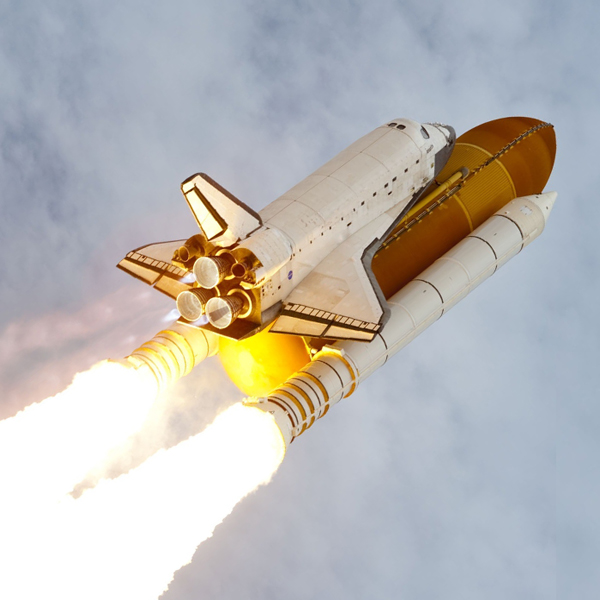
"Simulating altitude without precise temperature synchronization is inadequate for modern aerospace compliance. True reliability verification demands simultaneous ramp control of temperature, vacuum pressure, and dynamic payload power profiling."
2. Recommended SFTYE Aerospace Altitude & Environmental Test Systems
To address diverse testing demands—ranging from compact printed circuit board assemblies (PCBA) to full-scale aerospace structural components—SFTYE Equipment Co., Ltd. designs and manufactures four flagship altitude testing configurations:
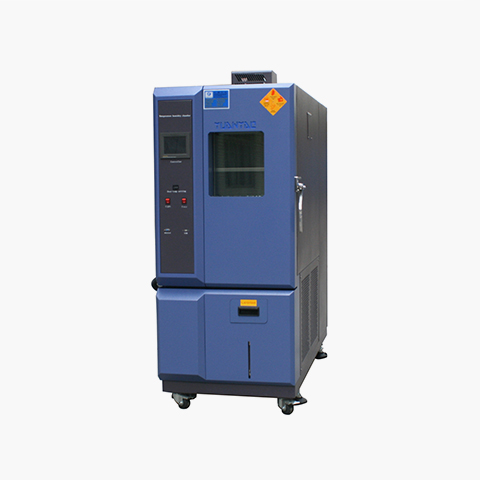
Altitude Temp & Humidity Chamber
Integrated temperature (-70°C to +180°C), relative humidity (20% to 98% RH), and altitude simulation up to 100,000 feet. Perfect for avionics reliability testing.
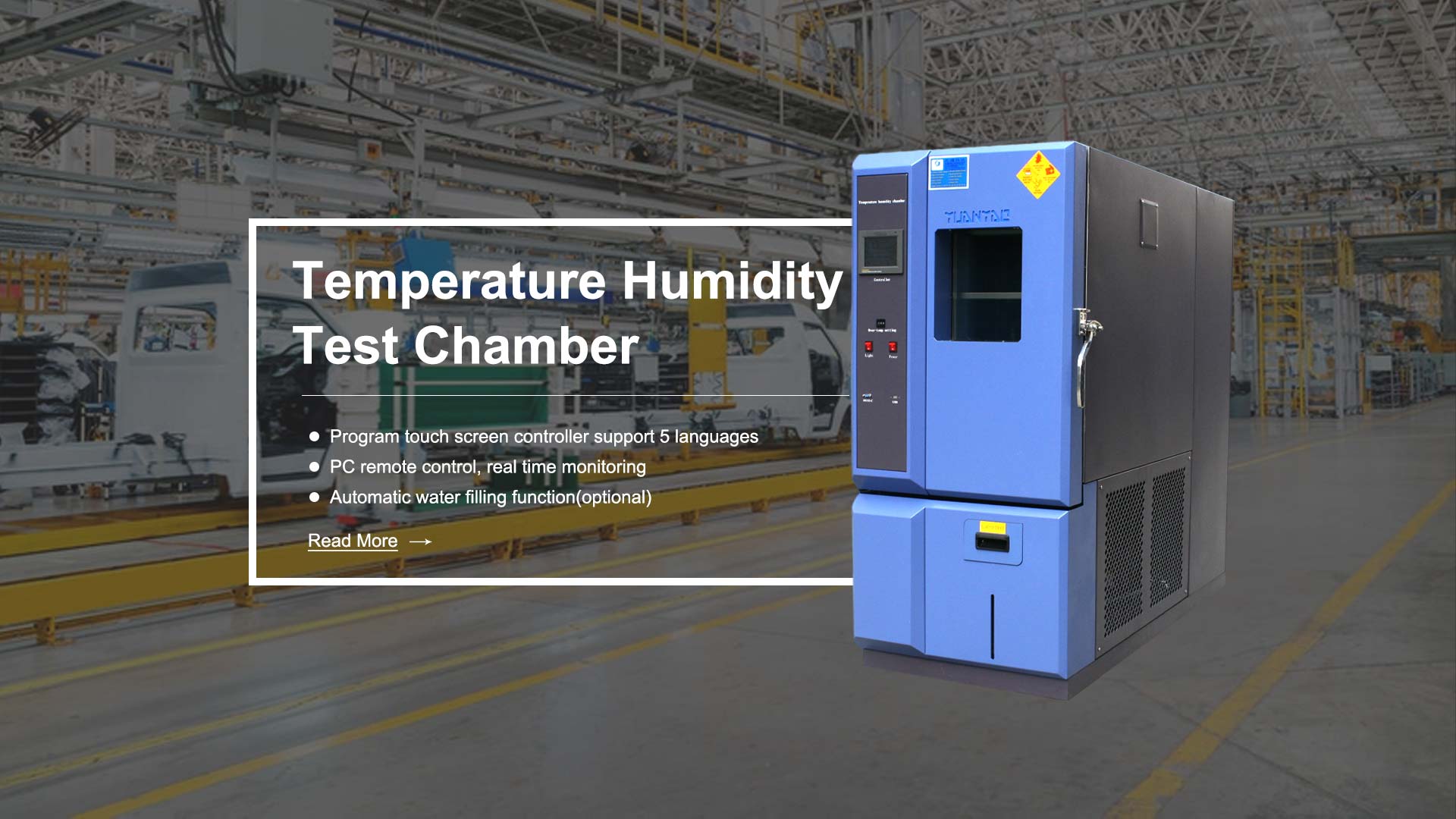
Rapid Decompression Test System
Engineered for MIL-STD-810H Method 500.6 Procedure III. Capable of dropping pressure to simulated 45,000+ ft in less than 15 seconds with fast-acting pneumatic surge tanks.
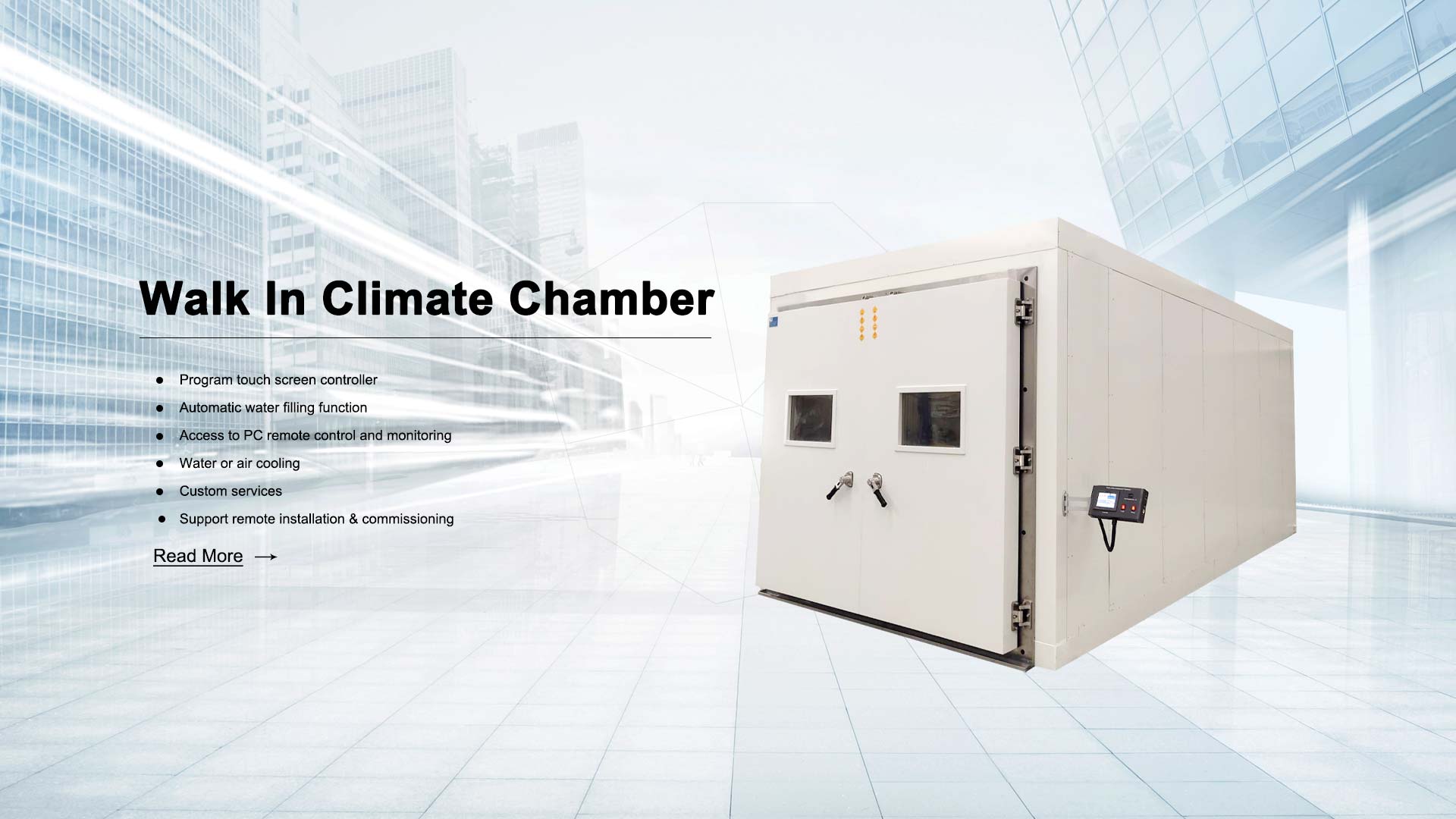
Walk-In Aerospace Altitude Chamber
Large-capacity walk-in vacuum thermal chamber for satellite structures, aircraft wing sections, and eVTOL battery packs. Fully reinforced heavy-gauge stainless steel inner shell.
3. Technical Specifications & Engineering Parameter Matrix
When drafting technical RFQs or comparing OEM suppliers, procurement managers must evaluate pressure vessel structural integrity, vacuum pump down rates, thermal ramp efficiency, and safety interlocks. Below is the technical specification baseline for SFTYE Aerospace Altitude Test Systems:
| Technical Parameter | Standard Configuration | Extended / High-Altitude Spec | Compliance Standard |
|---|---|---|---|
| Altitude Range | Site Level to 30,000 meters (~100,000 ft) | Site Level to 45,000 meters (~150,000 ft) | IEC 60068-2-13 / MIL-STD-810H |
| Pressure Range | Atmospheric (101.3 kPa) down to 1.1 kPa | Atmospheric down to 0.1 kPa (1 mbar / Torr) | RTCA DO-160G Section 4 |
| Temperature Range | -40°C to +150°C | -70°C to +180°C (LN2 assisted cooling optional) | ISO 2669 / ASTM D665 |
| Thermal Ramp Rate | 3°C/min to 5°C/min (Heating & Cooling) | Up to 15°C/min (Rapid Thermal Cycling) | MIL-STD-810H Method 503.7 |
| Decompression Speed | Atmospheric to 45,000 ft in < 15 minutes | Rapid Decompression < 15s / Explosive < 1s | MIL-STD-810H Method 500.6 Proc III |
| Vacuum Vessel Construction | SUS304 Stainless Steel with Structural Ribs | Heavy-Duty Reinforced SUS316L / Carbon Steel Shell | ASME Pressure Vessel Code Section VIII |
| Pump Systems | Dual-Stage Rotary Vane + Dry Scroll Pump | Roots Booster Pump + Oil-Free Screw Vacuum Rig | CE / UL Certified Motor Assemblies |
| Control System | 7-inch Color Touchscreen PLC (Modbus/Ethernet) | 15-inch Industrial PC with SCADA & LabVIEW Driver | 21 CFR Part 11 Data Traceability |
4. Key Technological Trends Shaping Aerospace Altitude Test Chamber Procurement
The aerospace industry is undergoing rapid transformation driven by commercial space exploration, electric vertical takeoff and landing (eVTOL) aircraft, unmanned aerial vehicles (UAVs), and sustainability mandates. Procurement teams are prioritizing environmental test equipment with specific future-ready capabilities:
Trend 1: High-Voltage eVTOL Arc Prevention & Altitude Battery Safety Testing
Electric propulsion architectures operate at voltages exceeding 800V to 1000V DC. At high flight altitudes (reduced air pressure), insulation clearance distances that work at sea level fail due to lowered breakdown thresholds (Paschen's Law). Modern altitude chambers must integrate high-voltage feedthroughs, real-time arc detection sensors, and nitrogen purge systems for thermal runaway containment during low-pressure battery testing.
Trend 2: Dynamic Tri-Axis Combined Stress Testing (AGREE Altitude Vibration Systems)
Testing components in isolation is no longer sufficient for mission-critical aerospace qualification. Modern facilities are shifting toward combined Altitude + Temperature + Humidity + Vibration (AGREE) test chambers. SFTYE systems seamlessly interface with electrodynamic shakers via flexible diaphragm floor plates, subjecting payloads to combined altitude low pressure, thermal shock, and multi-axis mechanical random vibration simultaneously.
Trend 3: Transition to Low-GWP Eco-Refrigerants & Energy Recovery
With global regulations tightening around fluorinated greenhouse gases (F-gases), global procurement standards mandate environmental chambers utilizing eco-friendly low-GWP refrigerants (such as R449A, R452A, or R290/CO2 cascade systems). SFTYE’s latest energy-efficient refrigeration control system reduces power consumption by up to 30% through digital scroll compressors and electronic expansion valve (EEV) modulation.
Trend 4: Digital Twin Calibration & Remote IoT Telemetry
Integration with industry 4.0 factory management systems requires altitude chambers to output high-frequency data streams via OPC UA, MQTT, and Ethernet/IP protocols. SFTYE chambers feature predictive maintenance analytics, automated sensor recalibration prompts, and virtual digital twin simulation capabilities to prevent unplanned test downtime.
5. Enterprise Advantages: Why Global Leaders Choose SFTYE Equipment Co., Ltd.
Selecting an environmental test chamber manufacturer requires evaluating technical engineering depth, manufacturing capability, quality compliance, and global after-sales support. SFTYE Equipment Co., Ltd. brings over 15 years of dedicated innovation to the environmental test industry:
SFTYE Technical Authority & Quality Commitment
- 15+ Years Manufacturing Excellence: Established in 2009, SFTYE has manufactured and delivered over 10,000 test chambers globally across 80+ countries.
- Comprehensive International Standards Compliance: All SFTYE Aerospace Altitude Chambers are built in accordance with ISO 9001:2015 certified workflows, CE directives, RoHS compliance, and NIST/CNAS traceable calibration standards.
- In-House Pressure Vessel FEA Engineering: Utilizing Advanced Finite Element Analysis (FEA), SFTYE designs vacuum shell reinforcement structures that withstand continuous pressure cycling from sea level to 0.1 kPa without structural fatigue or vacuum leakage.
- Bespoke Customization Engineering: From multi-zone independent thermal platens to explosive decompression surge tanks and customized feedthrough ports, our engineering team delivers tailored solutions for unique payload geometries.
- Global Pre-Sale & After-Sales Support: SFTYE provides turnkey engineering consultations, pre-shipment FAT (Factory Acceptance Testing), SAT (Site Acceptance Testing), and 24/7 technical field support worldwide.
6. Aerospace Altitude Test Chamber Procurement FAQ
Below are technical answers to the most frequent queries submitted by aerospace reliability engineers, QA managers, and international procurement officers:
Under low pressure (vacuum conditions), air density drops significantly, drastically reducing thermal convection. In standard chambers, heating and cooling rely heavily on air circulation. To overcome this, SFTYE Aerospace Altitude Test Chambers integrate heavy-duty radiant heating panels, contact thermal conduction platens, and high-velocity auxiliary blowers designed to maintain uniform temperature distribution even at reduced air densities.
Procedure I (Storage): Evaluates products stored at high altitude under low ambient pressure.
Procedure II (Operation): Evaluates equipment operational performance under low pressure conditions.
Procedure III (Rapid Decompression): Determines if a rapid drop in ambient pressure causes structural failure, seal rupture, or hazardous flight hazards in airborne equipment.
SFTYE offers configurable altitude chambers capable of executing all three procedures within a single test profile.
During rapid altitude ascent simulation, expanding air cools rapidly, causing moisture to condense and freeze on cold chamber walls or payload surfaces. SFTYE chambers incorporate automatic dry air/nitrogen purge systems, dew-point controls, and dual-stage condensate traps to prevent ice formation and safeguard sensitive avionics electronics.
Lithium-ion batteries exposed to reduced atmospheric pressure face heightened risk of pouch swelling, cell venting, and thermal runaway. SFTYE altitude battery chambers are equipped with explosion-proof relief vents, automatic inert gas (N2/Argon) fire suppression systems, thermal runaway temperature sensors, gas detection (CO/H2), and heavy-duty mechanical safety latches.
Q5: How do I request a formal quotation or custom technical proposal from SFTYE?
▼You can request a technical consultation or price proposal directly by contacting our engineering team at [email protected] or by clicking the live chat/inquiry button below. Please provide your payload dimensions, required temperature range, target altitude/pressure level, and applicable test standards (e.g., RTCA DO-160G or MIL-STD-810H).