
Walk-In Climate Test Chamber Procurement & Engineering Guide: Modular Architecture, Global Compliance Standards, and Future Reliability Trends
An authoritative deep-dive into large-scale environmental testing systems engineered for automotive assemblies, energy storage systems, electronics, and aerospace components.
Executive Summary & Information Gain Overview
In modern industrial quality assurance, small desktop or reach-in environmental test chambers often fail to accommodate full-scale vehicle sub-assemblies, industrial battery racks, complete solar arrays, or bulk electronic batches. A Walk-In Climate Test Chamber provides a scalable, walk-in controlled environment capable of duplicating extreme ambient conditions (-70°C to +180°C and 10% to 98% RH) under real-world dynamic operating loads.
As global procurement requirements evolve toward higher energy efficiency, strict safety protocols for Lithium-ion thermal runaway, and smart Industry 4.0 integration, buyers require more than standard catalog parameters. This guide—authored by the engineering team at SFTYE Equipment Co., Ltd.—analyzes key design thermodynamics, structural modularity, safety mitigation systems, and critical procurement decision frameworks for global buyers.
1. Engineering Architecture of Walk-In Climate Test Chambers
A Walk-In Climate Test Chamber (also categorized as a drive-in or modular environmental room) is a complex mechanical system consisting of structural panel isolation, cascade refrigeration thermodynamics, specialized air circulation, and micro-processor PID control loops. Understanding these sub-systems is essential for specifying an equipment setup tailored to your laboratory's operational profile.
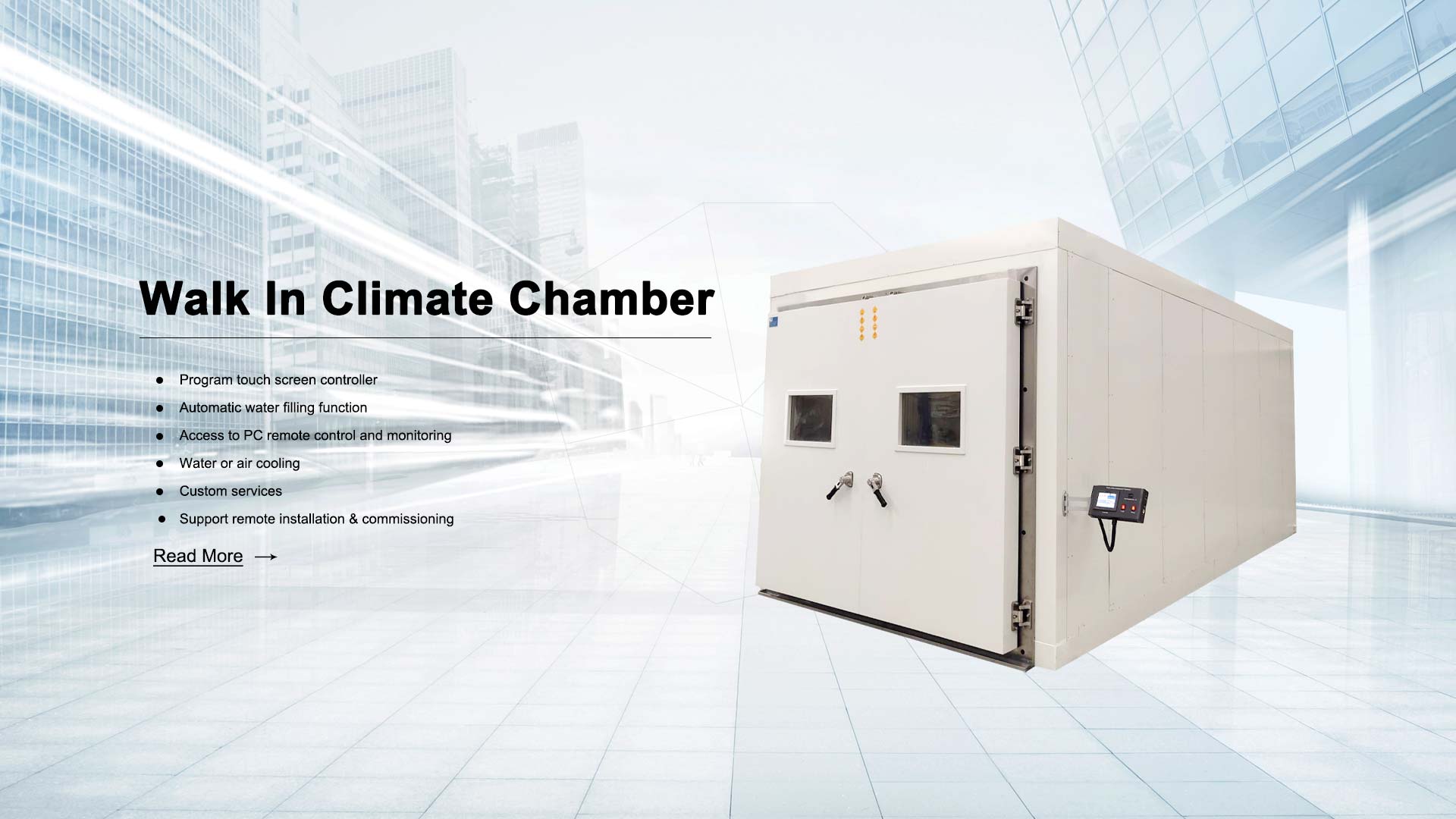 Figure 1: High-capacity Walk-In Climate Test Chamber fabricated with stainless-steel interior panels and anti-condensation thermal barrier technology by SFTYE Equipment Co., Ltd.
1.1 Structural Insulation and Thermal Bridging Prevention
The structural shell of a walk-in chamber must maintain high structural integrity while preventing heat transfer (thermal leaks) between the inner workroom and ambient laboratory space. Key structural elements engineered by SFTYE Equipment Co., Ltd. include:
- Modular PUF & Rockwool Panels: Panel cores utilize high-density polyurethane foam (PUF) with a density ≥ 42 kg/m³ fire-retardant grade, encased between SUS304 1.2mm stainless steel interior skin and powder-coated galvannealed exterior steel. For high-temperature operational modes (>120°C), specialized mineral rockwool is integrated to preserve insulation stability.
- Tongue-and-Groove Cam-Lock System: Prefabricated panels are connected using heavy-duty internal eccentric cam-locks with dual silicone gasket perimeter seals, ensuring hermetic air tightness without thermal bridge degradation.
- Heated Thermal Breaks and Floor Loading: Heavy test items (such as EV battery packs or engine blocks) require reinforced floor structures. SFTYE chambers feature insulated sub-floors with embedded stainless steel channels supporting wheel/point loads up to 5,000 kg/m². Integrated floor heating wires prevent moisture condensation and frost formation on ambient foundation slabs.
1.2 Thermodynamics & Cascade Refrigeration Mechanics
Achieving fast pull-down dynamic rates (e.g., 3°C to 10°C/min ramping) across large internal volumes (10 m³ to 200+ m³) requires robust thermodynamic cooling design. We utilize two main mechanical refrigeration methods:
- Single-Stage Mechanical Compression: Recommended for target temperatures down to -20°C or -40°C utilizing environmentally compliant low-GWP refrigerants (R449A / R404A).
- Two-Stage Cascade Refrigeration System: Required for ultra-low extreme thermal testing down to -70°C. The system couples a high-stage circuit (R404A/R449A) with a low-stage ultra-low boiling point circuit (R23/R508B) connected via a nickel-brazed plate heat exchanger.
For high thermal dissipation payloads (such as active electronics emitting tens of kilowatts during operational burn-in), SFTYE integrates Variable Frequency Drive (VFD) Compressors paired with electronic expansion valves (EEV). This arrangement adjusts refrigerant mass flow dynamically, delivering up to 35% energy savings compared to traditional bypass hot-gas refrigeration control.
1.3 Laminar Airflow Dynamics and Humidity Generation
Temperature uniformity (≤ ±1.0°C) and humidity control stability (±2.5% RH) inside a large room depend on proper air velocity distribution. SFTYE chambers utilize dual high-static centrifugal fan wheels blowing through an engineered air plenum chamber. The conditioned air flows horizontally across the payload zone or vertically through perforated floor tiles to eliminate dead zones and local thermal spikes.
2. Featured Walk-In Climate Test Chamber Product Solutions
Depending on testing volume, component mass, and industry standards, SFTYE Equipment Co., Ltd. manufactures several tailored configurations. Explore our core product series recommended for global B2B procurement:
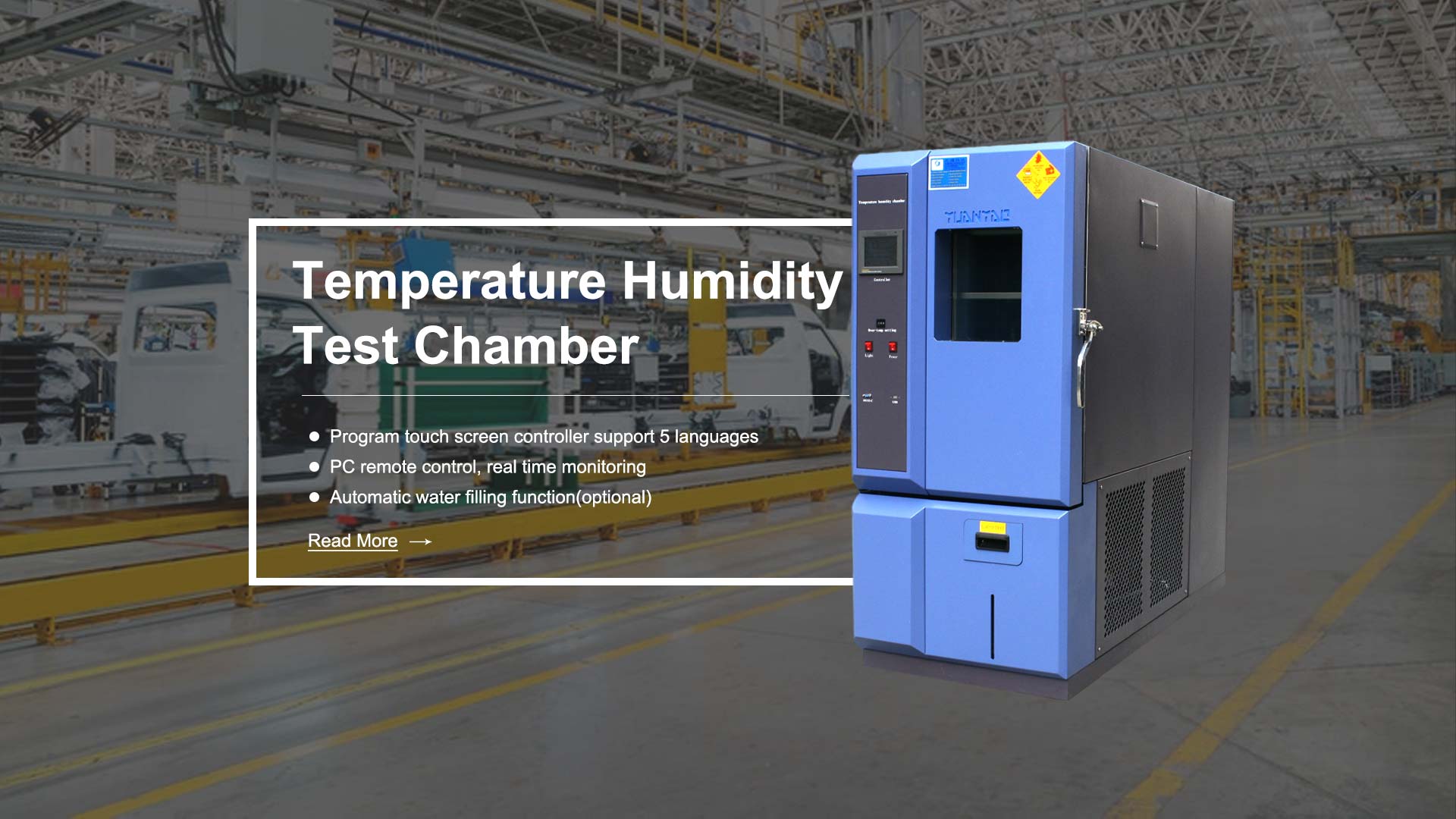
Standard Modular Walk-In Temperature & Humidity Chamber
Designed for large volume electronics, solar panels, and rubber/plastic aging qualification. Offers rapid installation with prefabricated cam-lock panels and expandable dimensions.
- Volume Range: 8 m³ to 150+ m³ (Customizable)
- Temperature Range: -40°C / -70°C to +85°C / +150°C
- Humidity Range: 10% to 98% RH
- Control System: 10-inch Programmable Color Touch Controller with Modbus/Ethernet
EV Battery Pack & Energy Storage System Walk-In Safety Chamber
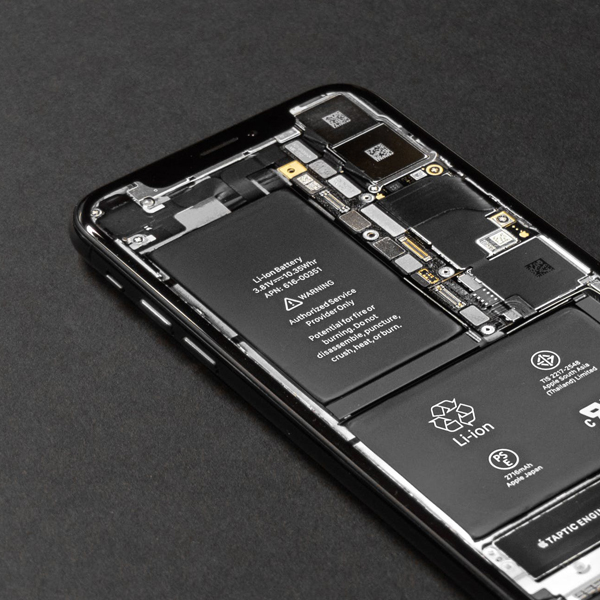
Specifically engineered for dangerous thermal runaway risk assessments on EV battery modules and pack assemblies according to UN 38.3 and ECE R100 guidelines.
- Safety Integrations: EUCAR Hazard Level 1-7 Protection
- Explosion-Proof Systems: Pressure relief burst disk, N2 inert purging, combustible gas detection (CO, H2, CH4)
- Fire Suppression: Automated water deluge spray / FM200 gas fire extinguishing linkage
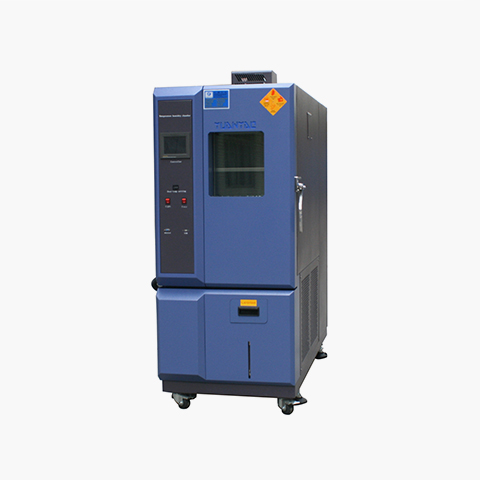
Rapid Temperature Change Walk-In Environmental Chamber
Built for thermal fatigue acceleration testing in aerospace and automotive powertrain applications. Features high cooling rates from 5°C/min up to 15°C/min with LN2 booster technology.
- Ramp Rates: 5°C/min, 10°C/min, 15°C/min dynamic control
- Vibration Table Integration: Removable floor section for pairing with electrodynamic shakers (AGREE chamber setup)
- Reinforced Structure: Thermal stress relief inner shell to prevent metal fatigue
Technical Specification Overview Matrix
Review the technical parameters across SFTYE Walk-In Environmental Chamber series below:
| Model Series | Temp Range (°C) | Humidity Range | Heating/Cooling Rate | Key Applications |
|---|---|---|---|---|
| SFT-WTH-8S | -40°C to +85°C / +120°C | 20% - 98% RH | 1.0°C to 2.0°C / min | General Electronic Batches, Telecommunications Racks |
| SFT-WTH-20L | -70°C to +150°C | 10% - 98% RH | 3.0°C to 5.0°C / min | Automotive Sub-assemblies, Solar Inverters, Aerospace components |
| SFT-BAT-50X (Battery Safety) | -40°C to +100°C | 20% - 95% RH | 1.5°C to 3.0°C / min | EV Battery Modules, Pack-Level Thermal Runaway Testing |
| SFT-RTC-35R (Fast Ramp) | -70°C to +180°C | Optional (20%-95%) | 5.0°C to 15.0°C / min | Military Electronics (MIL-STD-810H), Stress Screening (ESS) |
3. Industry Application Scenarios & Compliance Standards Matrix
Modern testing protocols are dictated by strict international compliance standards. SFTYE Equipment Co., Ltd. designs walk-in climate test chambers to exceed requirements set by international standard bodies:
Automotive & Electric Vehicles
Standards: ISO 16750-4, USCAR-2, GMW3172, ECE R100
Used for testing complete vehicle wire harnesses, battery packs, dashboard electronics, and electric drive units under extreme weather simulation (-40°C to +85°C with humidity cycling).
Aerospace & Defense
Standards: MIL-STD-810H (Method 501.7, 502.7, 507.6), RTCA DO-160G
Requires rapid low-temperature pull-down and high-altitude thermal simulation for avionics flight computers, radar arrays, and structural composite panels.
Renewable Energy & Solar PV
Standards: IEC 61215, IEC 61730, UL 1703
Evaluates damp-heat resistance (85°C / 85% RH for 1,000 hours) and thermal cycling (-40°C to +85°C) for commercial photovolatic panels and utility storage blocks.
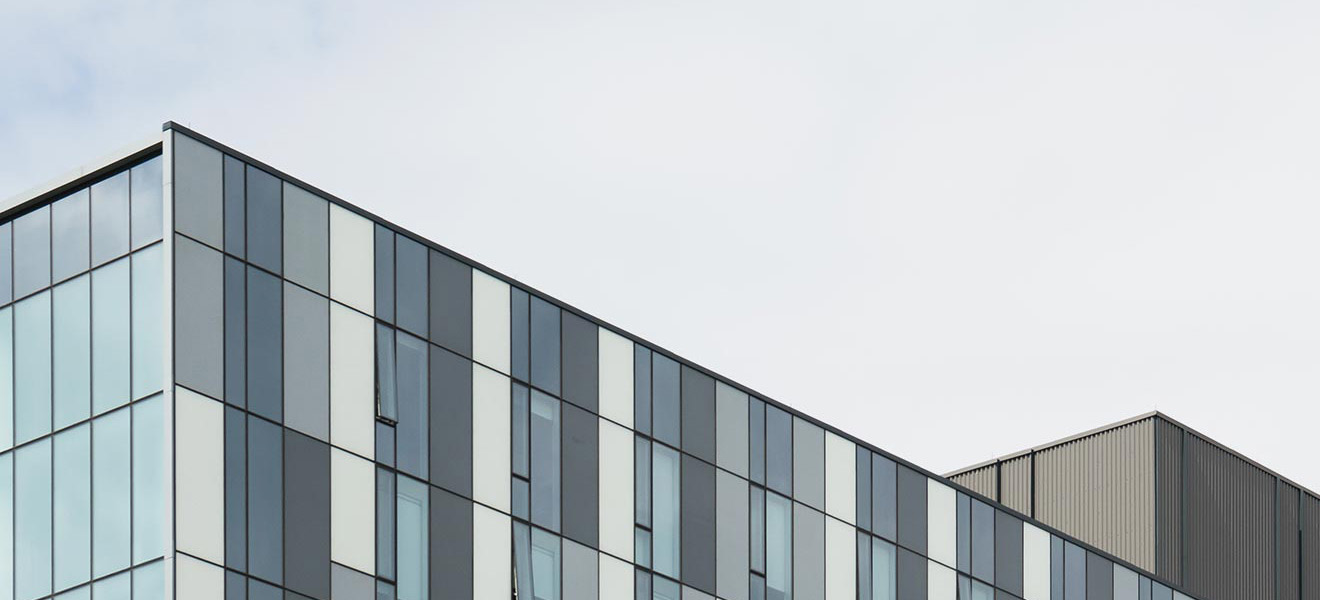 Figure 2: SFTYE Equipment Co., Ltd. advanced R&D center and test chamber assembly plant operating under strict ISO 9001 quality management protocols.
4. Future Procurement Trends & Technology Development (2025–2030)
As global industries transition toward carbon neutrality and smart manufacturing, purchasing decisions for walk-in environmental chambers are shifting from simple initial cost considerations to Total Cost of Ownership (TCO) and advanced technological features:
4.1 Low-GWP Refrigerant Transitions and Eco-Green Refrigeration
With regulations such as the EU F-Gas Regulation and the US EPA SNAP program phasing out high Global Warming Potential (GWP) refrigerants (e.g., R404A), future-proof test chambers must integrate eco-friendly alternatives such as R449A, R513A, R452A, or natural hydrocarbon cascades. SFTYE systems are engineered compatible with next-generation low-GWP refrigerants without sacrificing cooling capacity or temperature stability.
4.2 Smart IoT Connectivity, Cloud Diagnostics, and OPC-UA Integration
Modern testing facilities demand seamless data flow between test chambers and Enterprise Laboratory Information Management Systems (LIMS). SFTYE walk-in chambers support Industry 4.0 OPC-UA protocols, TCP/IP Ethernet interface, and IoT remote mobile monitoring. Real-time predictive maintenance algorithms monitor compressor discharge pressures, expansion valve superheat, and heater current draw to alert engineers before system downtime occurs.
4.3 EUCAR Hazard Level Protection for Battery Testing
With the rapid expansion of EV battery manufacturing, walk-in chambers are increasingly used for high-capacity battery testing. Future chambers require modular blast-proof safety engineering tailored to EUCAR Hazard Levels 1 through 7:
- Level 3-4: Pressure relief vents, gas detection, mechanical door safety latches.
- Level 5-7: Nitrogen dilution system, explosion containment doors, integrated smoke scrubbers, and automatic CO2/water deluge fire suppression systems.
5. Enterprise Advantages: Why Partner with SFTYE Equipment Co., Ltd.
Selecting the right environmental equipment vendor is critical to ensuring continuous quality testing and avoiding costly laboratory downtime. SFTYE Equipment Co., Ltd. stands out as a world-class manufacturing partner dedicated to quality, technical expertise, and long-term customer reliability.
15+ Years Manufacturing Excellence
Founded in 2009, SFTYE brings over 15 years of technical innovation and factory-direct R&D experience, delivering more than 10,000 environmental test chambers worldwide.
International Quality Certifications
Our production facilities operate under ISO 9001:2015 Quality Management and ISO 14001 Environmental Management standards. All products are fully CE and RoHS certified.
End-to-End Customization
We do not offer standard one-size-fits-all solutions. Our engineering team customizes room dimensions, load capacities, ramp rates, and safety accessories to meet your specific test standards.
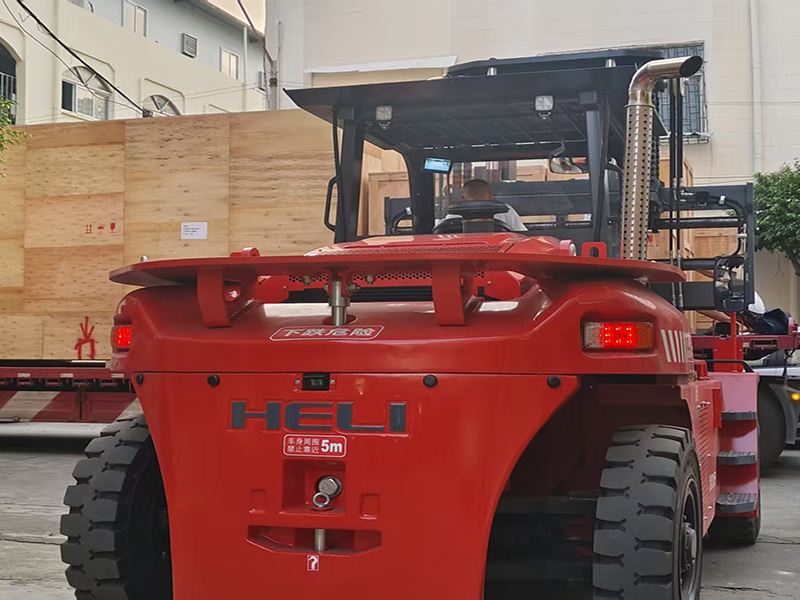 Figure 3: A 28,000L custom-engineered Walk-In Climate Chamber built, calibrated, and packed by SFTYE Equipment Co., Ltd. for international delivery.
Our Brand Commitment to Global Buyers
"No Matter Where You Are, We Are Close by." At SFTYE Equipment Co., Ltd., we deliver robust pre-sale engineering evaluation, free structural site drawings, complete installation support, and lifecycle calibration service to ensure your laboratory runs smoothly.
6. Frequently Asked Questions (FAQ) for Global Buyers
Below are clear, technical answers to the most common queries buyers and test engineers submit regarding Walk-In Climate Test Chamber selection, installation, and performance:
Modular Cam-Lock Chambers are constructed using prefabricated insulated panels joined on-site with eccentric cam-locks. This design allows for easier transport through standard facility doors, simplified installation in restricted laboratory spaces, and easy expansion or relocation in the future. They are ideal for temperatures ranging from -70°C to +100°C.
Monoblock (Welded) Chambers feature a fully welded outer structural frame and sealed interior skin built as a single unit at the factory. They are selected for ultra-high temperature applications (>150°C), vacuum altitude integration, or extreme dynamic vibration testing where absolute hermetic sealing and high thermal structural rigidity are required.
Calculating the required refrigeration system capacity requires considering both passive heat load (heat loss through walls and fan motor heat) and active heat load generated by your test payload (e.g., active electronics, motors, or battery chargers emitting heat during operation).
The total heat load formula is: Q_total = Q_wall + Q_fans + Q_payload + Q_ramping.
For example, if your EV inverter dissipates 10 kW of heat during operation, and you require a 3°C/min pull-down rate, the refrigeration plant must supply sufficient cooling kW capacity at the lowest target temperature (e.g., -40°C) to absorb the 10 kW continuous heat generation while simultaneously lowering the temperature of the air and specimen mass. SFTYE engineers provide free thermodynamic calculations for every inquiry.
Testing Lithium-ion batteries carries risks of thermal runaway, gas venting, and fire. According to EUCAR Hazard guidelines, a walk-in battery chamber from SFTYE Equipment Co., Ltd. should include:
- Combustible Gas Detection: Dual sensors for Hydrogen (H2) and Carbon Monoxide (CO) to identify early battery venting.
- Nitrogen Purging System: Automatic high-flow N2 injection to suppress oxygen concentration upon gas detection.
- Pressure Relief Vent: A mechanical spring-loaded blast hatch to relieve sudden pressure spikes safely.
- Explosion-Proof Latches: Heavy-duty door latches designed to remain closed during mild pressure surges while releasing extreme overpressure.
- Automated Suppression linkage: Connectors for water deluge, sprinkler systems, or gaseous fire suppressants (FM200 / Novec 1230).
Condensation occurs when the dew point of the circulating air matches or exceeds the surface temperature of the interior walls or test specimen. SFTYE prevents unwanted condensation through several design solutions:
- Plenum Pre-Heating & Dehumidification: Air passes through a dehumidification cooling coil in the rear plenum before contacting the test area, stripping excess moisture.
- Controlled Ramp Profiles: Our programmable controller manages temperature and humidity ramps simultaneously, keeping air dew point temperatures safely below specimen surface temperatures.
- Heated Window & Cable Port Frames: Multi-pane glass observation windows feature embedded transparent heating elements to ensure clear visibility without condensation fogging.
Prior to shipment and on-site assembly by SFTYE engineers, the buyer must ensure the following site conditions are met:
- Floor Levelness: A reinforced concrete foundation slab leveled within ±5mm across the footprint.
- Power Supply: Dedicated 3-phase AC power (e.g., 380V/415V/480V, 50/60Hz) with appropriate circuit protection.
- Cooling Water Supply: For water-cooled refrigeration units, a dedicated cooling tower loop (supply pressure 0.25-0.4 MPa).
- Pure Water Feed: Deionized or distilled water supply (conductivity < 10 μS/cm) for humidity steam generators.
- Drain Line & Exhaust Ducting: Floor drain for condensate discharge and roof exhaust ducting for safety vent systems.
Every Walk-In Climate Test Chamber manufactured by SFTYE Equipment Co., Ltd. undergoes rigorous multi-point factory testing before dispatch. We provide ISO/IEC 17025 accredited factory calibration certificates verifying temperature and humidity uniformity across 9-point or 15-point sensor grids.
Standard products come with a comprehensive 12-month warranty covering all mechanical and electronic components, supported by lifetime technical support and fast-ship replacement parts.
Request Your Custom Walk-In Climate Test Chamber Specification
Partner with SFTYE Equipment Co., Ltd. to design a scalable, energy-efficient, and compliant environmental test chamber tailored to your exact application standards. Get engineering support, layout drawings, and factory-direct quotation within 24 hours.