



7 Tips to Choose a Motor Winding Varnish Drying Oven
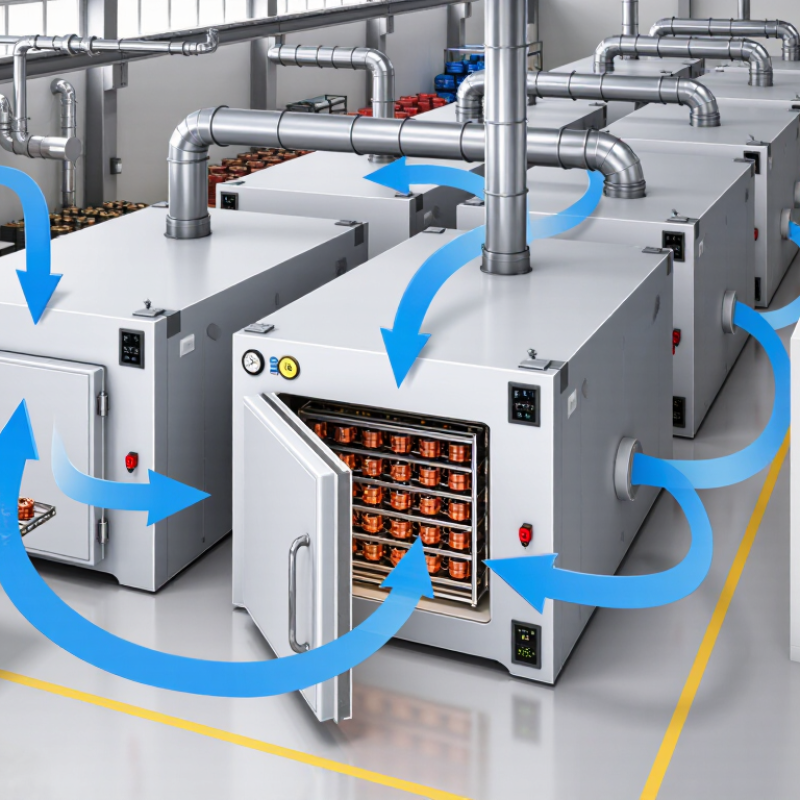
Energy efficiency should be measured, not guessed. The IEA Energy Efficiency 2023 report states that industry used about 37% of global final energy in 2022. Ask suppliers for specific energy consumption, measured in kWh per batch or kilogram. Check insulation thickness, airflow control, heat recovery, and door sealing. Variable-speed fans can reduce unnecessary air movement. Confirm temperature uniformity with a mapped test, not one wall-mounted sensor. Poor airflow may leave resin wet inside the coil. That is costly.
Safety features need practical verification. NFPA 86 provides widely recognized guidance for ovens and furnaces, including combustion, ventilation, and protective controls. Look for independent over-temperature protection, airflow proving, emergency stopping, and correctly designed exhaust systems. Varnish vapors require a documented hazard assessment and suitable electrical equipment. Do not rely on a warning label. Maintenance access matters too. Inspect heaters, thermocouples, filters, seals, and fans without dismantling half the oven. The U.S. Department of Energy’s Industrial Decarbonization Roadmap, published in 2022, identifies efficiency improvements and better process control as important industrial actions. Keep calibration records and energy readings after commissioning. I would still question optimistic payback figures. Production changes, dirty filters, and rushed loading can quietly destroy them.