Automotive Environmental Test Chamber: Standard Compliance, Technical Selection & Next-Generation Reliability Trends
An authoritative technical resource for automotive Tier-1 suppliers, EV powertrain engineers, and global procurement managers. Learn how to navigate ISO 16750, LV 124, and USCAR standards with precision-engineered simulation systems designed by SFTYE Equipment Co., Ltd.
Standards: ISO 16750, LV 124, USCAR-2, IEC 60068
EUCAR Safety Level 1–7 Compliance
Authoritative Buyer Resource
Executive Summary & Semantic Context
Modern automotive architectures—driven by Electric Vehicles (EVs), 800V silicon carbide (SiC) power electronics, ADAS sensor suites, and autonomous driving computing platforms—demand rigorous environmental testing far exceeding traditional consumer electronics. An Automotive Environmental Test Chamber is not merely a temperature box; it is an integrated multi-physics simulation platform engineered to replicate arctic cold (-70°C), desert thermal spikes (+180°C), rapid thermal shocks, aggressive cyclic salt spray, high-humidity condensation, and multi-axis mechanical vibration. This guide breaks down equipment selection matrixes, compliance protocols, and future engineering trends to assist global procurement leaders in acquiring high-return testing assets.
Global automotive original equipment manufacturers (OEMs) such as BMW, Mercedes-Benz, Volkswagen, Tesla, General Motors, and Toyota enforce stringent reliability verification schedules. When specifying an automotive environmental test chamber, test specifications must strictly line up with international regulatory frameworks:
ISO 16750 Series (Road Vehicles — Environmental conditions and testing for electrical and electronic equipment): Defines electrical loads, mechanical loads, climatic loads (Section 4), and chemical exposures. High-ramp rate climate chambers are mandatory for ISO 16750-4 thermal cycling tests.
LV 124 / LV 148 (German Automotive OEM Joint Standard): Specifies severe electrical and climatic test profiles for 12V / 48V automotive electrical systems. Tests such as K-09 (thermal shock with splash water) and K-15 (cyclic damp heat) require specialized condensation control and rapid pressure/temperature equalization.
USCAR-2 / USCAR-21 (Performance Specifications for Automotive Electrical Connector Systems): Demands extreme thermal aging (up to 1000 hours at maximum operating temperature) and thermal cycling under load, verifying zero micro-interruption in electrical terminals.
EUCAR Hazard Levels (Electric Vehicle Battery Testing): Safety ratings from Level 1 (no risk) to Level 7 (explosion). Test chambers configured for EV battery modules and packs must feature active safety systems including nitrogen purge, NDIR gas sensors, burst disks, and automatic water deluge fire suppression.
Information Gain: Generic Climate Chamber vs. Automotive-Grade Test Chamber
Unlike standard laboratory ovens or basic temperature humidity chambers, a dedicated Automotive Environmental Test Chamber engineered by SFTYE Equipment Co., Ltd. incorporates dynamic thermal compensation algorithms to offset high DUT (Device Under Test) heat dissipation (e.g., active 10kW heat output from operating EV inverters). Furthermore, automotive units feature reinforced port penetrations for CAN/LIN bus telemetry, high-voltage copper busbar feedthroughs, and anti-dew synchro-control systems to prevent conductive anodic filamentation (CAF) during severe humidity transitions.
2. Technical Product Recommendations for Automotive Testing Laboratories
To assist testing facilities and purchasing officers in identifying optimal solutions, SFTYE Equipment Co., Ltd. offers a comprehensive portfolio of automotive-grade environmental testing systems engineered for uncompromised accuracy and thermal stability.
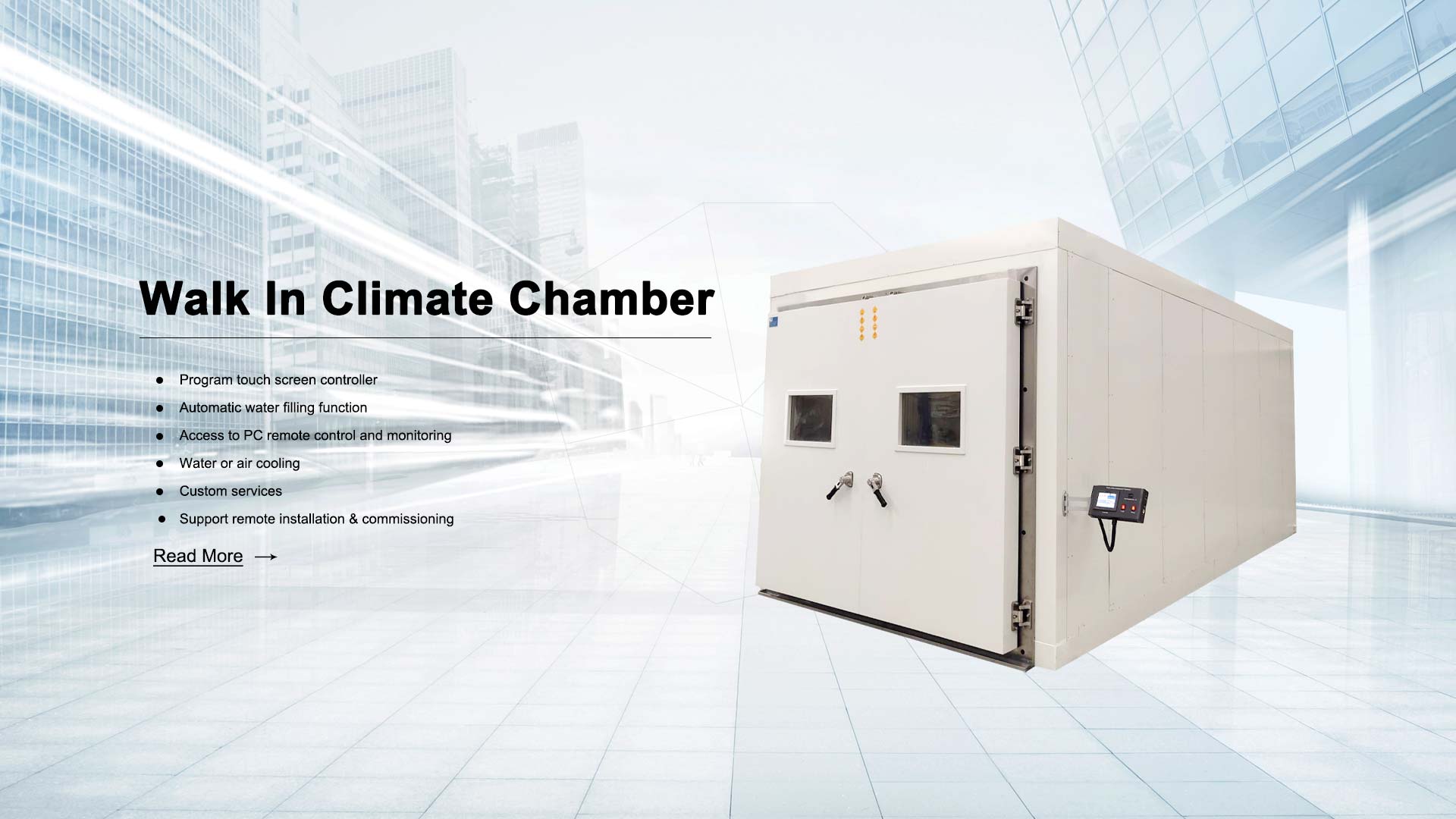
Walk-In Automotive Environmental Test Chamber
Designed for full-vehicle climate simulation, large battery packs, and vehicle body panels. Features modular insulated panels, drive-in floor reinforced for heavy wheel loads, and multi-zone air distribution.
Temp Range: -70°C to +150°CHumidity Range: 10% to 98% RHVolume: 8 m³ to 150 m³ (Customizable)Ramp Rate: 3°C/min to 15°C/min
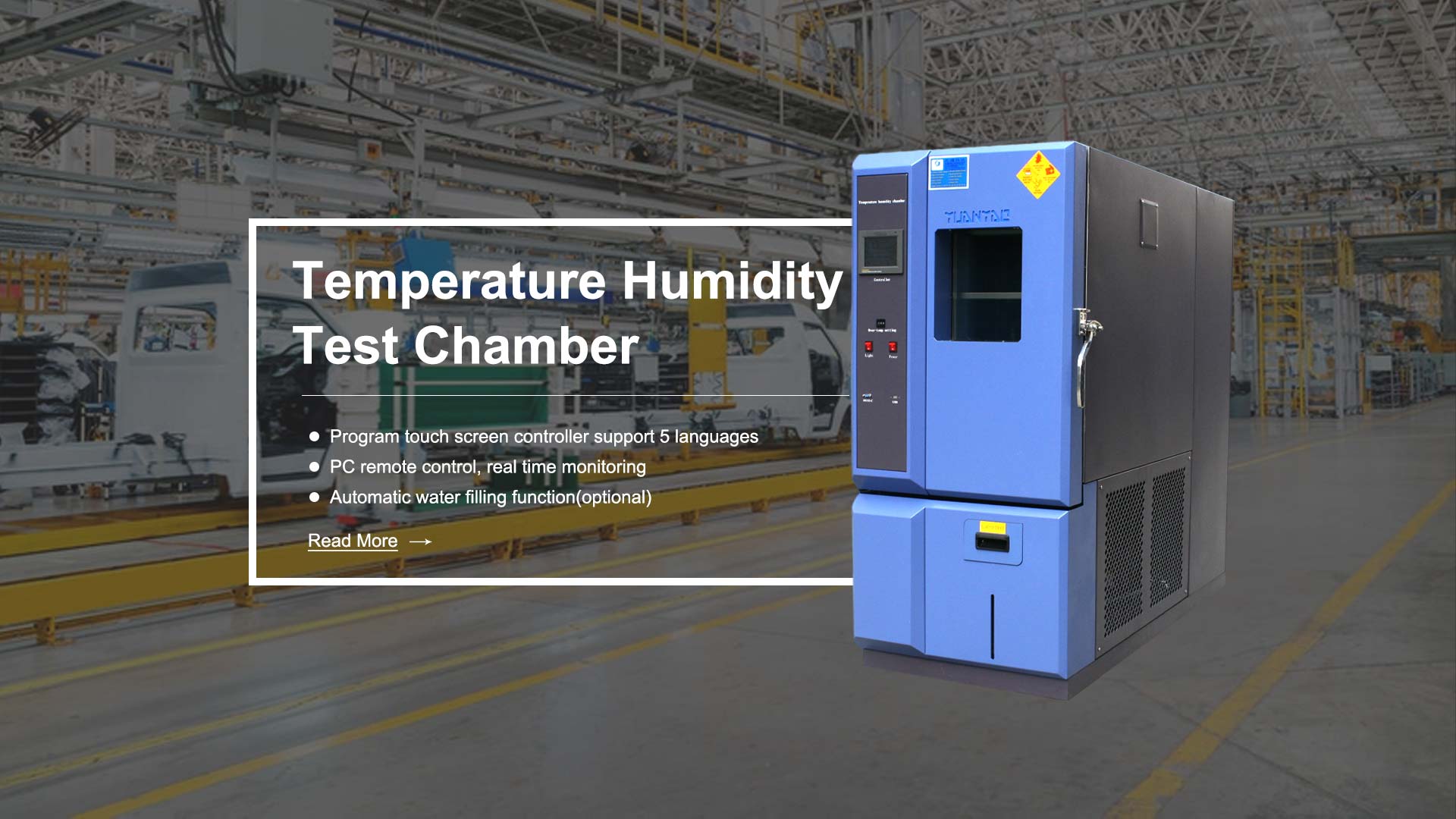
Optimized for automotive ECU, ADAS radar sensors, and headlight humidity validation. Built with high-capacity semi-hermetic compressors delivering rapid heating/cooling rates for ESS stress screening.
Temp Range: -70°C to +180°CHumidity Range: 20% to 98% RHRamp Rate: 5°C/min, 10°C/min, 15°C/min linearController: Programmable Touchscreen PLC
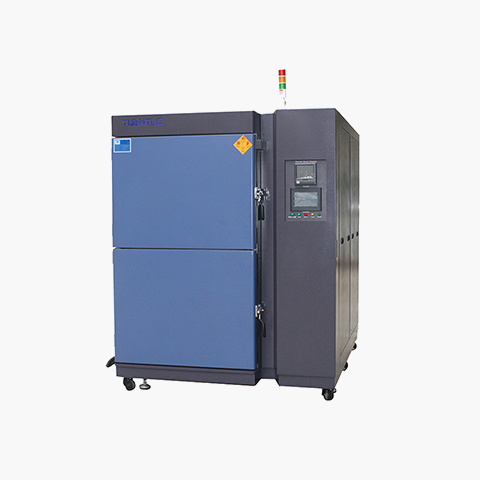
Critical for identifying micro-cracks in automotive solder joints, IGBT power modules, and ceramic substrates. Rapid pneumatic basket transfer switch between hot and cold zones within 10 seconds.
Hot Zone Temp: +60°C to +200°CCold Zone Temp: -75°C to -10°CRecovery Time: ≤ 5 minutesTransfer Time: ≤ 10 seconds
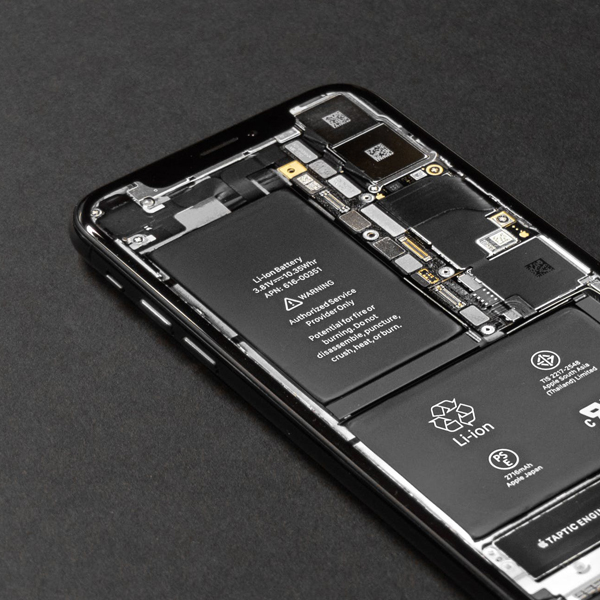
Specifically custom-engineered for lithium-ion traction battery cells, modules, and packs. Integrated with explosion mitigation vents, CO/H2 gas detection, and automatic fire quenching systems (EUCAR Level 6 protection).
Temp Range: -40°C to +100°CSafety Features: Burst Disc, Nitrogen PurgeStandards: UN 38.3, ECE R100, IEC 62660Data Interface: Ethernet / CAN bus logging
Technical Parameter Matrix: SFTYE Automotive Test Series
The following engineering matrix outlines key technical capabilities across our primary automotive environmental testing product lines:
Equipment Series
Temperature Range
Humidity Range
Cooling/Heating Rate
Target Automotive Application
Compliance Standard
Walk-In Climate Chamber
-70°C to +150°C
10% to 98% RH
1°C/min – 10°C/min
Full Vehicle, Battery Packs, Large Bumpers
ISO 16750-4, GB/T 2423
Rapid Ramp Climate Chamber
-70°C to +180°C
20% to 98% RH
5°C/min – 15°C/min
ECU, ADAS LiDAR, Inverters, Infotainment
LV 124 K-09, USCAR-2
2/3-Zone Thermal Shock
-75°C to +200°C
N/A (Thermal Shock)
< 10s Basket Transfer
SiC Power Modules, PCBs, Sensors
JESD22-A104, MIL-STD-883
EV Battery Test Chamber
-40°C to +100°C
20% to 95% RH
3°C/min – 5°C/min
Traction Modules, Pack Thermal Runaway
UN 38.3, ECE R100, SAE J2464
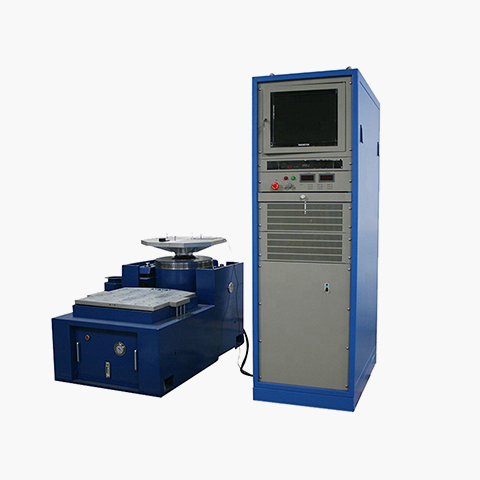
AGREE Vibration Climate
-70°C to +150°C
20% to 98% RH
5°C/min – 15°C/min
Powertrain Sensors, Steering Electronics
ISO 16750-3, IEC 60068-2-53
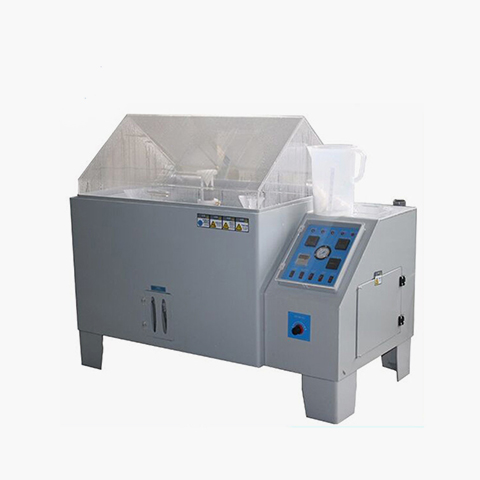
Cyclic Salt Spray Chamber
+15°C to +70°C
30% to 98% RH
Controlled drying phase
Chassis, Underbody Corrosion, Fasteners
VDA 621-415, ISO 9227, SAE J2334
3. Global Automotive Procurement Trends in Environmental Testing
As the automotive supply chain transitions rapidly toward electrification and software-defined architectures, procurement directors are altering their capital expenditure strategies for test equipment. Key purchasing trends shaping the market include:
A. Shift to High-Voltage 800V Architecture & Active Heat Dissipation Handling
Next-generation electric vehicles utilize 800V SiC power platforms, generating immense localized heat loads during full-load dynamic testing. Modern procurement specifications strictly demand environmental test chambers capable of maintaining uniform temperature profiles while absorbing up to 15 kW of continuous heat generated by the device under test (DUT). Standard off-the-shelf climate chambers fail under these dynamic load conditions.
B. Explosion-Proof Safety Systems for Battery Qualification
Safety is the paramount requirement when procuring thermal chambers for lithium-ion battery testing. Buyers now prioritize chambers equipped with multi-stage explosion mitigation systems: pressure relief rupture discs, continuous nitrogen blanket purging, carbon monoxide (CO) and hydrogen (H2) gas detection, mechanical door safety latches, and integrated fire extinguishing lines to mitigate thermal runaway hazards in accordance with EUCAR levels 4 to 6.
C. Multi-Physics Combined Stress Testing (AGREE Chambers)
To reduce testing cycles and mimic grueling vehicle road tests (e.g., rough road vibration combined with extreme humidity and sub-zero temperatures), automotive test labs are shifting away from standalone climate boxes. Purchasing volume for combined 3-axis vibration and temperature/humidity test systems (AGREE chambers) has surged by over 40% year-over-year.
D. Sustainable Eco-Refrigerants & Energy Efficiency
With stringent global F-gas regulations (such as the EU F-gas Regulation and US AIM Act), automotive OEMs are actively phasing out high-GWP refrigerants like R404A and R23. Procurement officers now specify low-GWP alternative refrigerants (e.g., R449A, R513A, R452A) and eco-friendly cascade refrigeration systems featuring variable frequency drive (VFD) compressors that reduce total energy consumption by up to 35%.
4. Next-Gen Technological Trends in Environmental Test Chambers
Equipment design is undergoing a technological revolution driven by digital transformation and advanced thermodynamic engineering. SFTYE Equipment Co., Ltd. is at the forefront of these innovations:
Digital Twin & Simulation Integration: Modern test chambers utilize virtual digital twins that integrate chamber thermodynamic models directly into OEM simulation software (such as MATLAB/Simulink or ANSYS). Engineers can simulate chamber thermal response prior to conducting physical hardware-in-the-loop (HIL) tests.
Precision Micro-Airflow CFD Architecture: Advanced computational fluid dynamics (CFD) modeling optimizes internal duct placement and baffle angles. This guarantees temperature uniformity within ±0.5°C across all test zones, eliminating micro-climate dead zones around complex automotive geometry.
Industry 4.0 IoT Connectivity & Smart Diagnostics: Integration of OPC UA communication protocols, remote cloud monitoring, and predictive maintenance sensors (tracking compressor vibration, refrigerant pressure drop, and contactor wear) minimizes unplanned laboratory downtime.
Automated Dew-Point Synchro Control: Advanced PID psychrometric controllers regulate air dew point during fast heating ramps, ensuring that sensitive electronic circuit boards do not suffer micro-condensation or electrical short-circuiting during rapid environmental transitions.
5. Frequently Asked Questions by Global Automotive Buyers (AI & Semantic Query Mining)
Based on comprehensive intent analysis of questions submitted by automotive engineers, laboratory directors, and procurement specialists to AI search platforms, we have compiled detailed, technical answers below:
How do I calculate the required chamber cooling ramp rate for LV 124 K-09 compliance?
LV 124 K-09 specifies rapid temperature cycling, typically requiring ramp rates of 5°C/min, 10°C/min, or 15°C/min across specified thermal ranges (e.g., -40°C to +125°C). To select the right system, you must calculate the total heat load: Q_total = Q_mass + Q_DUT, where Q_mass is the thermal mass of the test specimens and aluminum fixtures, and Q_DUT is the active heat dissipated by the powered electronic component. SFTYE Equipment Co., Ltd. uses specialized refrigeration sizing software to ensure linear ramp rates are strictly maintained even with maximum active heat loads.
What safety features are mandatory when purchasing a test chamber for EV lithium battery modules?
For lithium-ion battery thermal testing (UN 38.3, ECE R100), mandatory safety features depend on the EUCAR hazard level. Minimum standard requirements include: (1) Pressure relief explosion vent door/disc; (2) Mechanical heavy-duty door latches with safety chains; (3) Inert gas (N2) purge connection; (4) Gas detection sensors for CO, H2, and hydrocarbons; (5) Over-temperature independent cut-off switches; (6) Automatic water or Novec 1230 fire suppression interface. SFTYE builds all EV battery test chambers to meet stringent EUCAR Level 6 safety ratings.
What is the difference between a 2-zone and a 3-zone thermal shock chamber for automotive electronics?
In a 2-zone thermal shock chamber, the sample basket moves pneumatically between an overhead hot chamber and a lower cold chamber. In a 3-zone thermal shock chamber, the test sample remains stationary in a center test zone while hot and cold air dampers open alternately to blast heated or chilled air over the component. 3-zone chambers are preferred for heavy components, delicate wired sensors, or when electrical cables must remain connected to the DUT during thermal shock testing without flexing or twisting.
How can we prevent condensation on printed circuit boards (PCBs) during high-humidity rapid thermal testing?
Condensation occurs when the surface temperature of the test sample drops below the dew-point temperature of the chamber air. To prevent this during rapid temperature elevation, high-spec test chambers utilize a dew-point control dry-air purge system. The system injects ultra-dry compressed air (dew point < -40°C) into the chamber workspace prior to heating, keeping the absolute moisture content low until the component surface warms up above the air dew point.
What calibration standards and certificates are required for ISO 17025 accredited automotive test labs?
Environmental test chambers installed in ISO/IEC 17025 accredited testing facilities must undergo annual calibration compliance according to IEC 60068-3-5 (for temperature performance verification) and IEC 60068-3-6 (for humidity performance verification). Measurement criteria include spatial temperature gradient, spatial humidity deviation, temperature fluctuation, and heating/cooling ramp linearity. SFTYE Equipment Co., Ltd. supplies full factory calibration certificates traceable to international standards (NIST/CNAS) with every delivered unit.
Can SFTYE environmental chambers integrate directly with dynamic automotive CAN / LIN communication tools?
Yes. SFTYE test chamber controllers feature open RS485, Modbus RTU, Ethernet TCP/IP, and OPC UA software interfaces. This enables full bidirectional communication with third-party automotive automated test systems (such as National Instruments LabVIEW, Vector CANoe, or dSPACE HIL test benches), allowing real-time synchronization between environmental profile steps and electronic fault diagnostics.
6. Why Global Automotive OEMs Choose SFTYE Equipment Co., Ltd.
With over 15 years of technical expertise in environmental simulation technology, SFTYE Equipment Co., Ltd. has earned international recognition as a reliable, high-precision manufacturer for demanding automotive testing applications.
15+ Years R&D Mastery
Dedicated expertise in designing specialized thermal shock, climate, and industrial oven systems for automotive automotive electronics.
Global Footprint in 80+ Countries
Over 10,000 test chambers delivered to world-class laboratories across North America, Europe, Asia, and the Middle East.
Certified Quality Standards
ISO9001 quality system certified, CE compliance, RoHS compliance, and rigorous factory acceptance testing (FAT).
At SFTYE Equipment Co., Ltd., we understand that test data integrity directly impacts vehicle safety and brand reputation. Our engineering team provides end-to-end support: from pre-sale technical feasibility studies and CAD structural layout to turnkey installation, calibration, and long-term spare parts availability. "No Matter Where You Are, We Are Close by."
Accelerate Your Automotive Reliability Testing Program
Need a custom Automotive Environmental Test Chamber configured for ISO 16750, LV 124, or EV battery safety testing? Contact our senior application engineers today for detailed technical proposals and competitive pricing.