[email protected] | Mon–Fri 9:00–18:00 (GMT+8)
FB IN X YT
ISO 1431-1/2 Certified ASTM D1149 Compliant DIN 53509 & JIS K 6259 Standard Closed-Loop Photometric Control

Ozone Aging Test Chamber Engineering Guide & Advanced Elastomer Degradation Solutions

A definitive technical resource for global quality assurance managers, material scientists, and procurement officers evaluating artificial ozone cracking resistance, dynamic strain fatigue, and long-term rubber longevity.

Contact Us
15+
Years of Engineering R&D
80+
Countries Served Worldwide
500+
Test Chamber Configurations
10,000+
Units Installed Globally

1. Polymer Degradation Physics: Why Ozone Aging Testing is Crucial for Modern Elastomers

In modern industrial applications—ranging from automotive weather-stripping, tire sidewalls, and high-voltage cable insulation to aerospace seals and flexible hoses—elastomers are continuously exposed to trace amounts of atmospheric ozone ($O_3$). Although tropospheric ozone concentrations typically range between 1 and 20 parts per hundred million (pphm) under ambient conditions, even these minuscule levels induce severe, irreversible structural damage to unsaturated rubber polymers under stress.

Unlike thermal degradation or ultraviolet (UV) photo-oxidation—which primarily cause uniform surface chalking, yellowing, or cross-linking embrittlement—ozonolysis specifically attacks double carbon-carbon bonds ($C=C$) within polymer backbones (such as Natural Rubber NR, Styrene-Butadiene Rubber SBR, and Polybutadiene Rubber BR). This electrophilic reaction creates unstable primary ozonides, which rapidly cleave and re-associate into zwitterions and polymeric peroxides, culminating in catastrophic micro-cracking perpendicular to the direction of applied mechanical tensile strain.

Information Gain Note: The Synergy of Tensile Strain & Ozone Attack

A common misconception in reliability engineering is that ozone cracking occurs uniformly across unstrained rubber. In reality, unstrained rubber forms a microscopic protective surface ozonide layer that self-terminates reaction depth. However, once tensile strain exceeds a critical strain threshold (typically 2% to 5%), this protective film ruptures continuously, exposing fresh $C=C$ bonds to ozone molecules. An advanced Ozone Aging Test Chamber must precisely control dynamic strain frequency, volumetric air velocity, temperature, and ozone partial pressure to replicate actual field failure modes accurately.

Key International Test Standards & Parameter Requirements

Global procurement and testing laboratories must ensure their equipment complies with standardized test matrices. SFTYE Equipment Co., Ltd. designs all Ozone Aging Test Chambers to meet and exceed the following international standards:

  • ISO 1431-1 / ISO 1431-2: Rubber, vulcanized or thermoplastic — Resistance to ozone cracking (Part 1: Static and dynamic strain testing; Part 2: Reference conditions under continuous air flow).
  • ASTM D1149: Standard Test Methods for Rubber Deterioration — Cracking in an Ozone Controlled Environment.
  • DIN 53509: Testing of Rubber — Determination of Resistance to Ozone Cracking under Static Tensile Strain.
  • JIS K 6259: Vulcanized or Thermoplastic Rubber — Determination of Ozone Resistance.
Test Parameter Standard Specification Range SFTYE Chamber Capability Engineering Significance
Ozone Concentration 20 to 500 pphm (up to 1000 pphm) 1 to 1000 pphm (±2% accuracy) Simulates accelerated aging ratios up to 100x ambient atmospheric levels.
Chamber Temperature +40°C ± 2°C (Standard ISO) RT +10°C to +70°C (±0.5°C uniformity) Accelerates molecular kinetics and anti-ozonant wax migration speeds.
Air Flow Velocity 8 to 16 mm/s (Laminar flow) Adjustable 8 to 25 mm/s boundary layer velocity Prevents localized ozone depletion around test specimens.
Sample Strain Modes Static (0-40%) / Dynamic (0.5-2.5 Hz) Dual-mode Static & Dynamic (0-50% strain, 0.1-1.0 Hz stroke) Replicates fatigue flexure in tire sidewalls, drive belts, and door seals.
Detection Mechanism Chemical Titration or UV Absorption Non-Dispersive UV Photometer (254 nm wavelength) Provides continuous closed-loop feedback without reagent consumption.

Recommended Ozone Aging Test Chambers & Test Ecosystem

Explore SFTYE's specialized ozone degradation chambers alongside our complementary climate and reliability testing equipment designed for comprehensive laboratory qualification.

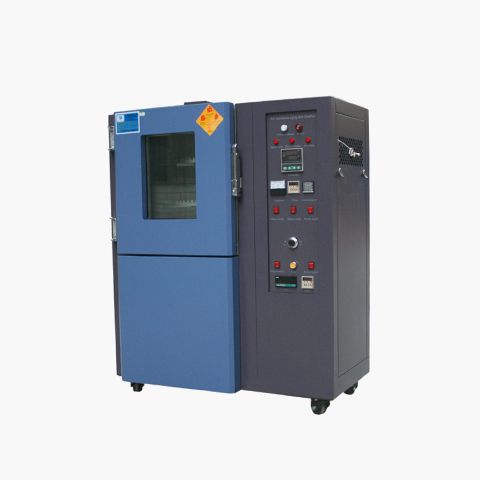
Precision Ozone Aging Test Chamber – SFTYE Equipment Co., Ltd.

Precision Ozone Aging Test Chamber

Engineered specifically for static and dynamic tensile degradation testing of vulcanized rubbers, seals, and cable jackets under tight ozone partial pressure control.

  • Ozone Range: 1 to 1000 pphm (Digital LCD display)
  • Strain Mechanism: Dynamic rotation & static stretching rack
  • Sensor System: Dual-beam 254nm UV absorption analyzer
  • De-Ozone Scrubber: Built-in active carbon & thermal catalytic converter
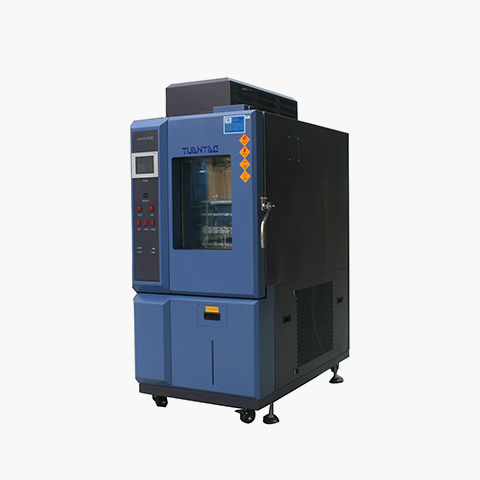
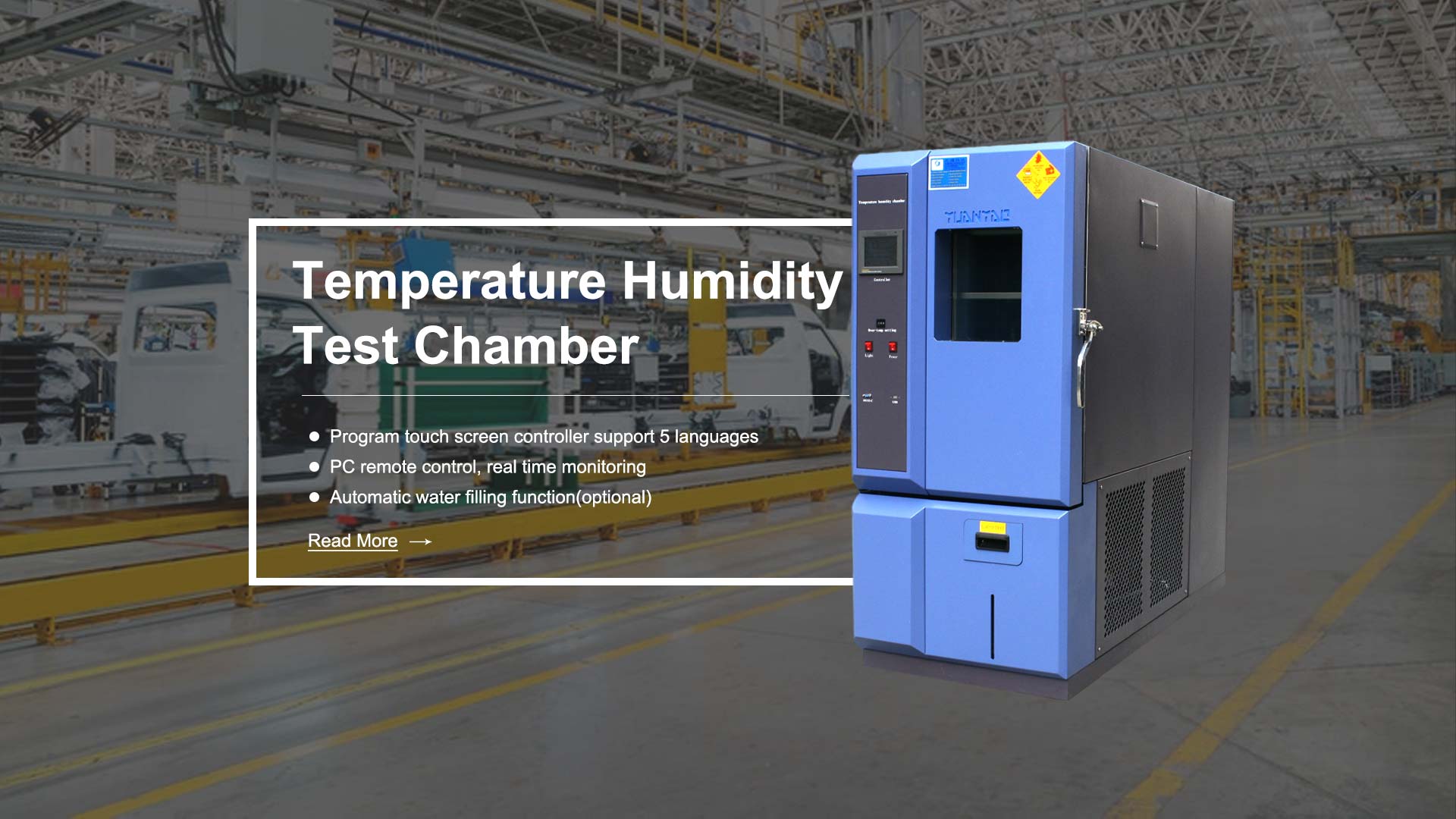
Temperature Humidity Test Chamber – SFTYE Equipment

Temperature Humidity Climate Chamber

Combines precision thermal cycling (-70°C to +180°C) with humidity control (10% to 98% RH) to evaluate material pre-conditioning before ozone exposure.

  • Temp Range: -70°C to +180°C (±0.3°C control)
  • Humidity Range: 10% – 98% RH
  • Refrigeration: Tecumseh / Bitzer cascade compressor system
  • Standards: IEC 60068-2-30, MIL-STD-810G
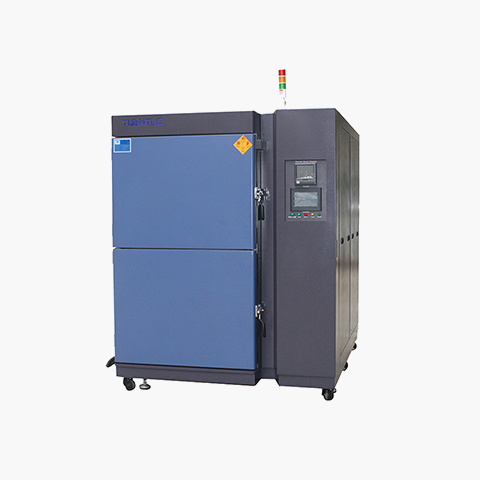
Thermal Shock Test Chamber – SFTYE Equipment Co., Ltd.

Thermal Shock Test Chamber (2/3-Zone)

Subject elastomeric components to instant air-to-air thermal transfer (-65°C to +150°C within 10 seconds) to evaluate stress relaxation prior to ozone testing.

  • Transfer Time: Less than 10 seconds pneumatic basket delivery
  • Recovery Time: Less than 5 minutes thermal stabilization
  • Capacity: 50L to 1000L custom volumes
  • Safety: Automatic over-temperature & pressure relief lockouts
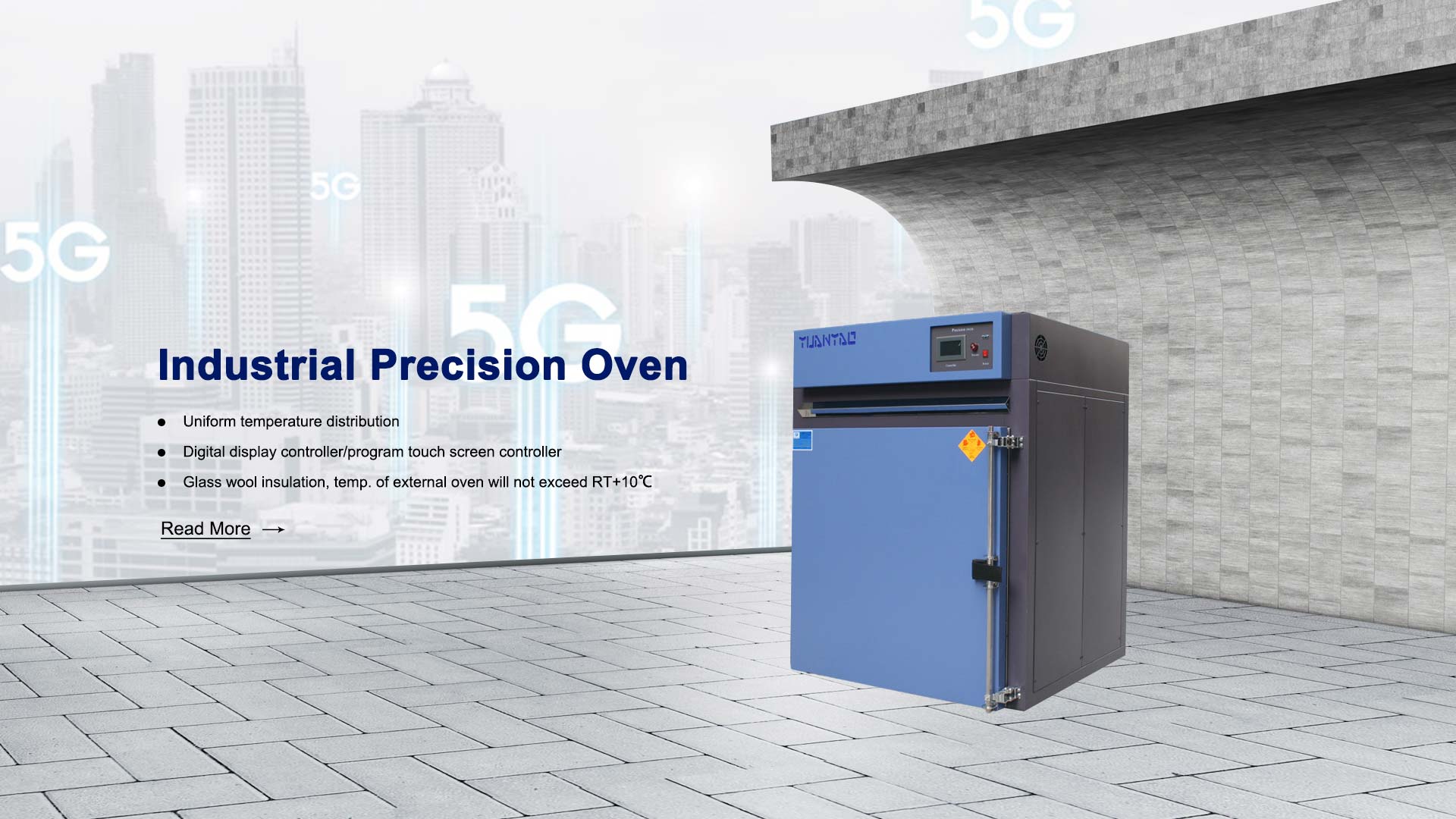
Industrial Precision Vacuum & Drying Oven

Industrial Precision Oven Series

High-uniformity thermal aging ovens for thermal baking, vulcanization conditioning, and volatility testing of polymer compounds per ASTM D573.

  • Temp Range: RT +10°C to +300°C (Special models up to +500°C)
  • Airflow: Horizontal forced-convection recirculation
  • Inner Material: SUS304 mirror-polished stainless steel
  • Controller: Programmable PID touchscreen interface
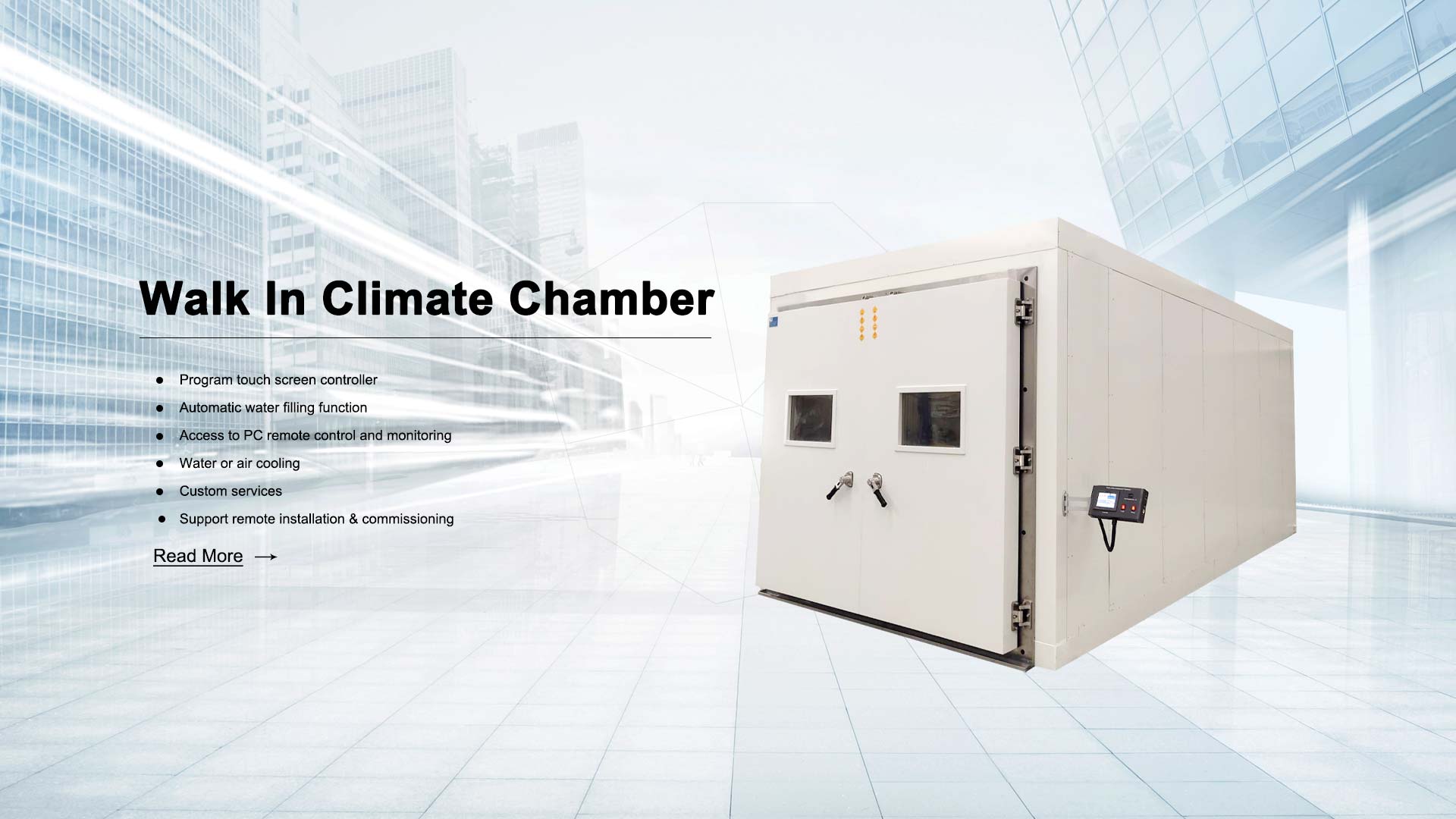
Walk-In Environmental Test Chamber

Walk-In Environmental Climate Chamber

Large-scale modular drive-in and walk-in environmental testing facilities for full automotive assemblies, large cable reels, and industrial rubber components.

  • Volume: 8 m³ to 100+ m³ customized structural enclosures
  • Structure: High-density polyurethane insulated modular panels
  • Integration: Optional dynamic drive-shaft pass-throughs
  • Compliance: ISO 16750, GB/T 2423
PCT Pressure Cooker Aging Chamber

Accelerated Life Aging Chamber (PCT/HAST)

High-pressure steam aging chamber for assessing rubber moisture impermeability, hydrolytic resistance, and wire insulation lifetime under extreme pressures.

  • Pressure Range: Gauge pressure up to 0.2 MPa (2.0 kg/cm²)
  • Temp Range: +105°C to +132.9°C saturated steam
  • Control: Automated water-level sensing and fast depressurization
  • Safety: ASME certified pressure vessel wall design

3. Technology Development Trends in Ozone Test Engineering

As the global transportation, renewable energy, and power transmission sectors adopt stricter durability warranties, the technology governing ozone aging test equipment is undergoing significant engineering evolution. Key innovation directions implemented by SFTYE Equipment Co., Ltd. include:

Trend 1: Non-Dispersive UV Absorption Photometry & Closed-Loop Digital Feedback

Older generation ozone test chambers relied on manual wet-chemical titration (such as potassium iodide KI absorption methods) or electrochemical sensors that suffered from sensor drift, cross-sensitivity to humidity, and frequent recalibration needs. Modern laboratory standards demand solid-state Non-Dispersive UV Photometer systems operating at 254 nm. By continuously measuring UV light attenuation through a dual-path optical cell, the chamber achieves real-time, closed-loop PLC feedback control, maintaining ozone concentrations within a remarkably tight tolerance of ±2% across long-duration 1000-hour test cycles.

Trend 2: Integrated Machine-Vision Optical Micro-Crack Monitoring

Traditionally, evaluating whether a rubber sample has reached failure under ISO 1431 required stopping the chamber, removing the sample, and visually inspecting it under a 7x magnification glass. Modern high-end test chambers are integrating high-resolution digital microscope cameras with telecentric lenses directly inside the test bay. Coupled with AI machine-vision algorithms, the system automatically detects micro-crack initiation (crack width > 10 μm), measures crack density propagation in real time, and logs exact time-to-cracking data without interrupting chamber environmental stability.

Trend 3: Silent Corona Discharge Ozone Generators with Pure Oxygen Feeds

To eliminate nitrogen oxide ($NO_x$) contamination during testing—which can alter chemical degradation pathways and artificially accelerate rubber surface hardening—leading equipment manufacturers utilize high-frequency, silent dielectric barrier discharge (DBD) generators fed by pure oxygen ($O_2$) concentrators. This produces pure ozone gas ($O_3$) free from corrosive nitric acid byproducts.

Trend 4: Multi-Axis Dynamic Strain Synchronization

Field failures of dynamic seals and tires rarely involve simple linear elongation. Next-generation dynamic sample holder systems allow simultaneous rotation, linear axial stroke extension (0-50%), and torsional twist. Synchronizing dynamic stroke frequency (0.1 Hz to 1.0 Hz) with temperature and ozone concentration pulses provides an unprecedented level of real-world simulation accuracy.

4. Future Procurement Trends for Global B2B Equipment Buyers

When Tier-1 automotive suppliers, tire manufacturers, and independent testing labs (such as SGS, TÜV, Intertek) issue RFQs for environmental testing equipment, their procurement strategies reflect broader shifts in industry compliance, green technology, and operational efficiency:

  1. Zero-Emissions & Green Catalyst Requirements: International environmental health and safety (EHS) regulations strictly limit ozone discharge into laboratory work spaces to under 0.1 ppm (NIOSH TWA limit). Procurement requirements now mandate built-in, dual-stage catalytic de-ozone scrubbers utilizing manganese dioxide ($MnO_2$) and copper oxide ($CuO$) catalysts, or high-temperature thermal destructors that instantly reconvert excess ozone into non-toxic oxygen ($O_2$) before venting.
  2. Modular Customization for Diverse Components: Buyers are moving away from fixed single-purpose cabinets. There is high demand for multi-functional interiors featuring interchangeable sample racks—such as static tensile clamps, rotating dynamic specimen carousels per ISO 1431-1 Method B, and specialized mandrel wrapping fixtures for electrical cables per EN 50396.
  3. IoT Connectivity & Audit-Trail Data Integrity (21 CFR Part 11 Compliance): Enterprise lab management platforms require test chambers equipped with Ethernet, RS485 Modbus, and Wi-Fi telemetric outputs. Automated data logging, encrypted digital graph generation, user privilege tracking, and cloud-based fault diagnostics are essential procurement selection criteria.
  4. Energy-Efficient Thermal & Ozone Generation Controls: Variable-speed inverter fans, PID solid-state relay heating, and demand-based oxygen concentrator cycles drastically reduce power consumption during long-term 500-hour and 1000-hour continuous test protocols.
SFTYE Equipment Co., Ltd. Manufacturing Facility & Engineering R&D Center
Manufacturing Authority & Engineering Excellence

Why Choose SFTYE Equipment Co., Ltd. for Your Laboratory

Established in 2009, SFTYE Equipment Co., Ltd. has established itself as an international pioneer in climate, thermal shock, precision oven, and material aging test equipment. Our 15,000+ square meter manufacturing facility integrates precision laser sheet-metal fabrication, automated refrigeration assembly lines, and rigorous ISO 9001 quality management systems.

Every Ozone Aging Test Chamber manufactured by SFTYE undergoes a strict 72-hour continuous burn-in test, multi-point temperature mapping, and dual-stage ozone calibration against NIST-traceable reference UV photometers before shipment.

"Delivering Uncompromised Measurement Precision & Robust Reliability to Global R&D Laboratories."
ISO 9001:2015 & CE Certified
Full ASTM & ISO Standards Compliance
Bespoke Customization Solutions
Global Service & Rapid Spare Parts

Frequently Asked Questions (FAQ) by Global Engineering & Procurement Teams

Detailed technical answers to common queries asked on AI search platforms regarding ozone test parameters, standards, maintenance, and specimen preparation.

What is the difference between ASTM D1149 Method A (Static Strain) and Method B (Dynamic Strain)?

Method A (Static Strain) involves elongating a rubber dumbbell specimen to a fixed strain percentage (e.g., 20%) and mounting it rigidly on a static rack before exposure to ozone. This measures the threshold strain required to initiate cracking over a given period. Method B (Dynamic Strain) continuously flexes the test specimen between a minimum strain (e.g., 0%) and maximum strain (e.g., 25%) at a constant cycling frequency (typically 0.5 Hz). Dynamic strain constantly exposes fresh rubber matrix to ozone molecules, making Method B significantly more aggressive and accurate for simulating tire sidewalls, transmission belts, and dynamic engine seals.

How does chamber temperature influence the ozone cracking rate of elastomers?

Temperature plays a dual role in ozonolysis. Higher temperatures (e.g., +40°C to +50°C) accelerate both the chemical oxidation reaction rate of ozone with double bonds and the diffusion rate of internal protective additives (such as wax and 6PPD anti-ozonants) migrating toward the rubber surface. However, if temperature exceeds optimal test levels (>60°C), the protective wax layer can melt completely, leading to irregular cracking behaviors. ISO 1431 and ASTM D1149 standard reference testing is maintained at +40°C ± 2°C to achieve consistent benchmark reproducibility.

Why is closed-loop UV absorption photometry superior to electrochemical ozone sensors?

Electrochemical sensors operate via chemical reaction cells that deplete over time, causing output signal drift, sensitivity to relative humidity fluctuations, and cross-sensitivity to temperature shifts. In contrast, Non-Dispersive 254nm UV Photometers measure absolute light absorption according to the Beer-Lambert Law. UV photometry offers non-contact, continuous, chemical-free measurement with long-term stability and negligible calibration drift, ensuring that your test chamber maintains exact ozone partial pressure over 1000+ operating hours.

How is internal airflow velocity regulated in an SFTYE Ozone Test Chamber?

Under ISO 1431-1, boundary air velocity over the test specimens must be strictly controlled between 8 mm/s and 16 mm/s (or up to 20-25 mm/s in specific standard variants). If airflow is too slow, local ozone depletion occurs near the sample surface, leading to under-calculated degradation rates. SFTYE chambers feature adjustable laminar circulation baffles and an electronic micro-anemometer monitoring system that maintains uniform volumetric air flow across all test positions.

What safety systems prevent ozone gas escaping into the laboratory environment?

Ozone is a powerful oxidizer hazardous to human respiratory health above 0.1 ppm. SFTYE Ozone Chambers are built with fully sealed fluorocarbon rubber door gaskets, electromagnetic door safety interlocks, negative-pressure interior airflow designs, and an automatic exhaust purging cycle. Before the operator can open the chamber door upon test completion, an integrated high-capacity catalytic scrubber or thermal destructor purges the internal cabinet air, reducing $O_3$ concentration to ambient zero levels.

How should rubber specimens be prepared and conditioned prior to ozone testing?

Proper sample conditioning is critical for repeatability. After die-cutting dumbbell test pieces (e.g., ISO 37 Type 2 or ASTM D1149 strips), specimens must be strained to the desired percentage and conditioned in an ozone-free dark room at standard room temperature (+23°C ± 2°C) for 48 to 96 hours before chamber insertion. This conditioning period allows internal protective anti-ozonant waxes to migrate to the surface and establish equilibrium.

What routine maintenance is required to maintain chamber accuracy?

Key maintenance tasks include: 1) Annual recalibration of the 254nm UV optical photometer against a reference standard; 2) Inspection and replacement of the oxygen concentrator air drying filter elements every 6 months; 3) Verification of dynamic stroke alignment and drive belt tension; 4) Checking the active carbon / catalytic scrubber conversion efficiency annually to ensure safe lab exhaust emissions.

Can SFTYE Ozone Test Chambers be customized for electrical wire and cable testing?

Yes. For electrical insulation testing according to EN 50396 or IEC 60811-403, SFTYE provides specialized cylindrical stainless-steel mandrel sample holders. Cable specimens are wrapped tightly around specified mandrel diameters, creating uniform outer jacket tensile strain prior to ozone chamber exposure.

7. Technical Decision Matrix for Equipment Purchasing Officers

Before issuing an RFQ or placing an order for an Ozone Aging Test Chamber, engineering teams should evaluate candidate manufacturers against the following technical criteria:

Evaluation Criteria Standard Commercial Chamber SFTYE Premium Engineering Series
Ozone Concentration Control Electrochemical / Uncalibrated (±10% drift) Closed-Loop 254nm UV Photometer (±2% accuracy)
Ozone Generator Technology Standard UV lamp generation (Low yield, $NO_x$ risk) Silent Corona Barrier Discharge with Pure $O_2$ feed
Sample Rack Mechanism Static-only or manual rotation Synchronized Static & Dynamic (0-50% strain, 0.1-1.0 Hz)
Chamber Inner Liner Standard 201 Stainless Steel or Painted Metal SUS304/SUS316 High-grade Corrosion-Resistant Stainless Steel
Exhaust Gas Treatment Basic ventilation tube (Requires external ducting) Built-in Thermal/Catalytic De-Ozone Destruction Scrubber
Data Logging & Export Manual paper recorder 7-inch Color Touchscreen PLC, USB/Ethernet digital export

Ready to Elevate Your Material Degradation & Ozone Aging Testing Capabilities?

Speak directly with the application engineers at SFTYE Equipment Co., Ltd. to receive customized technical proposals, standard compliance matrices, and competitive factory-direct pricing for your laboratory.

Pre-Sale Technical Consultation

Expert application analysis, standard mapping (ISO/ASTM/MIL), and custom engineering layout support before purchase.

Global After-Sales Network

On-site commissioning, ISO 17025 calibration assistance, local engineer training, and rapid spare parts dispatch worldwide.

Turnkey OEM/ODM Engineering

Tailored chamber dimensions, expanded ozone ranges (up to 2000 pphm), and specialized dynamic specimen fixtures.